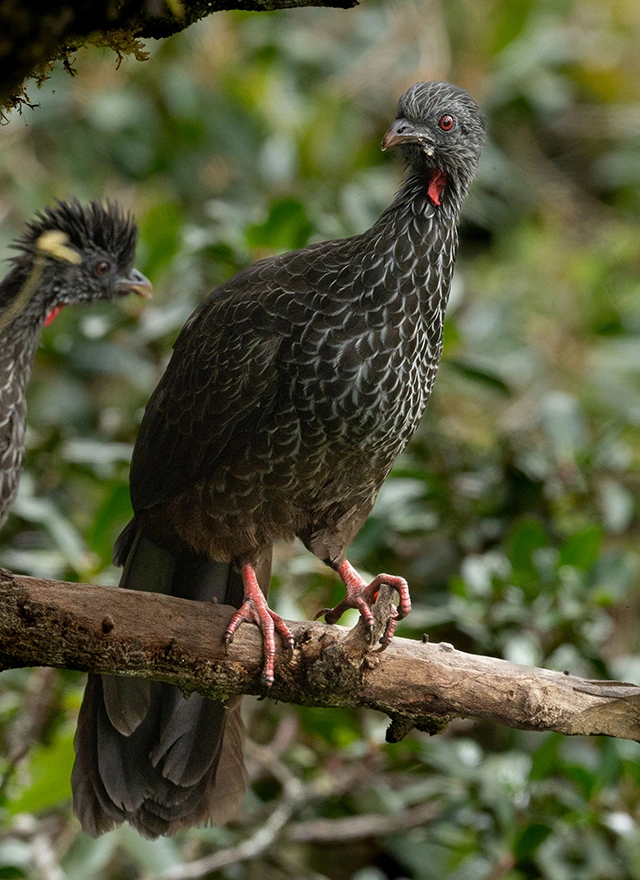
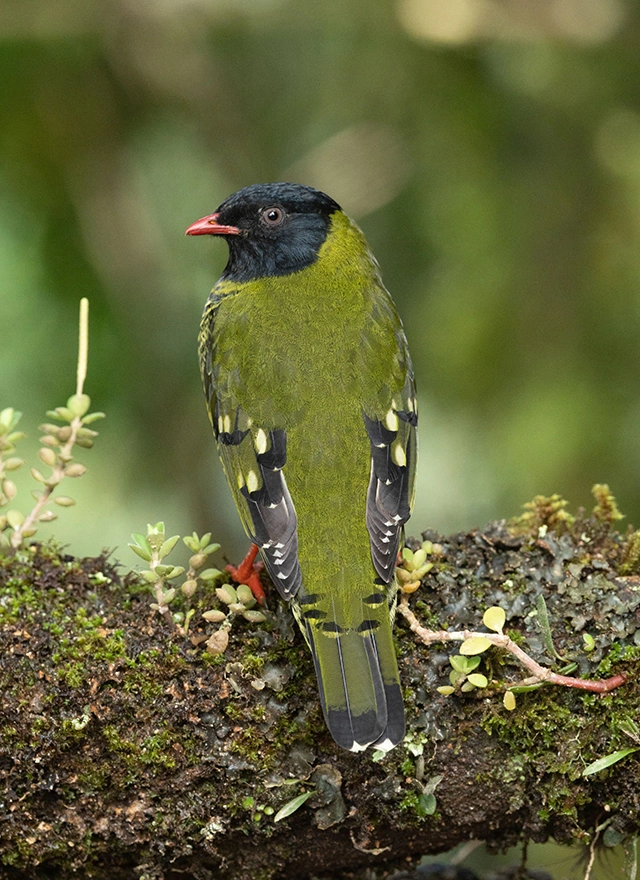
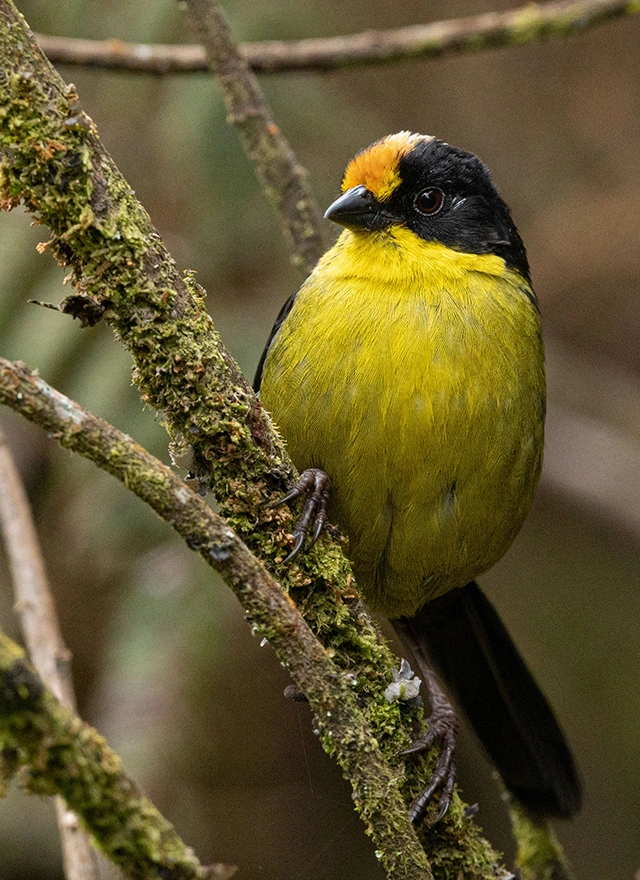
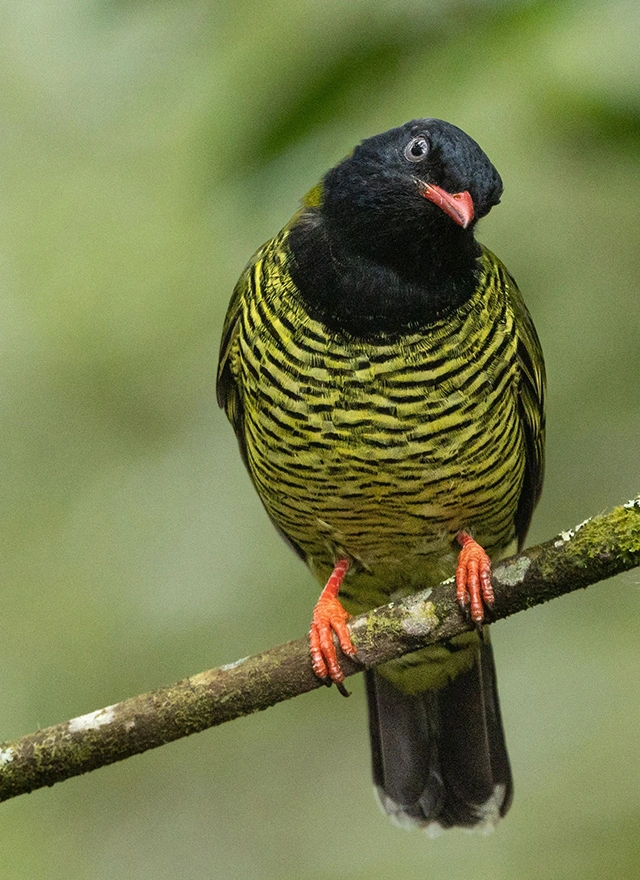
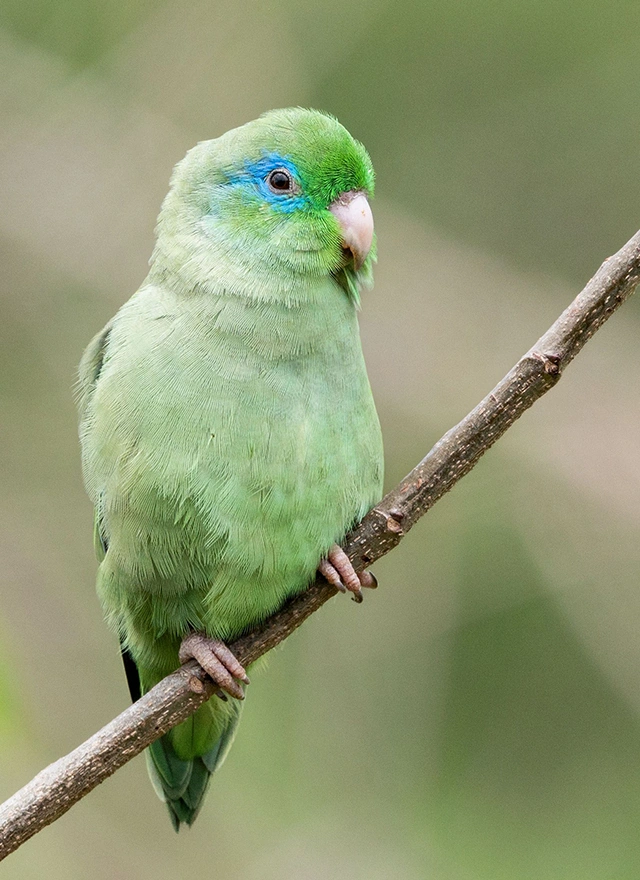
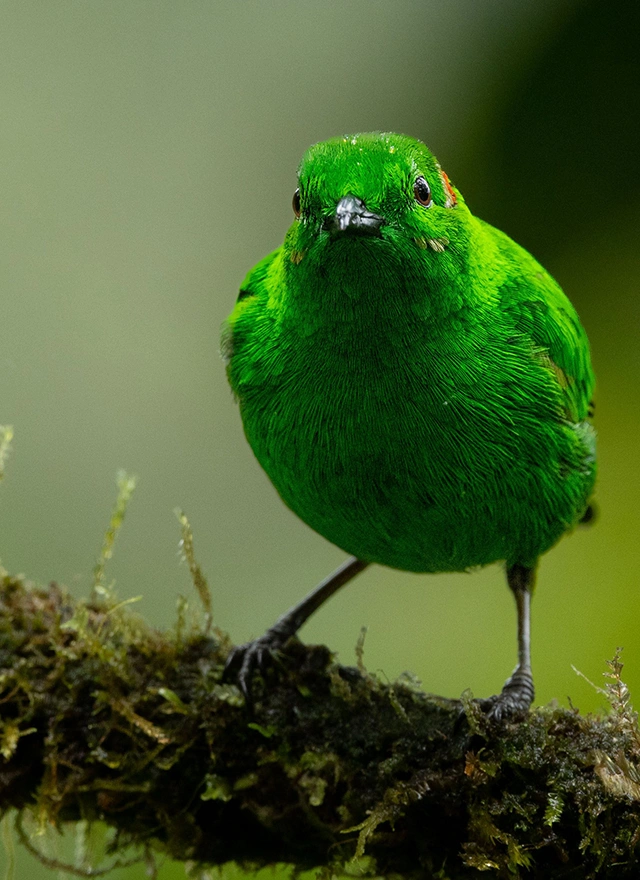
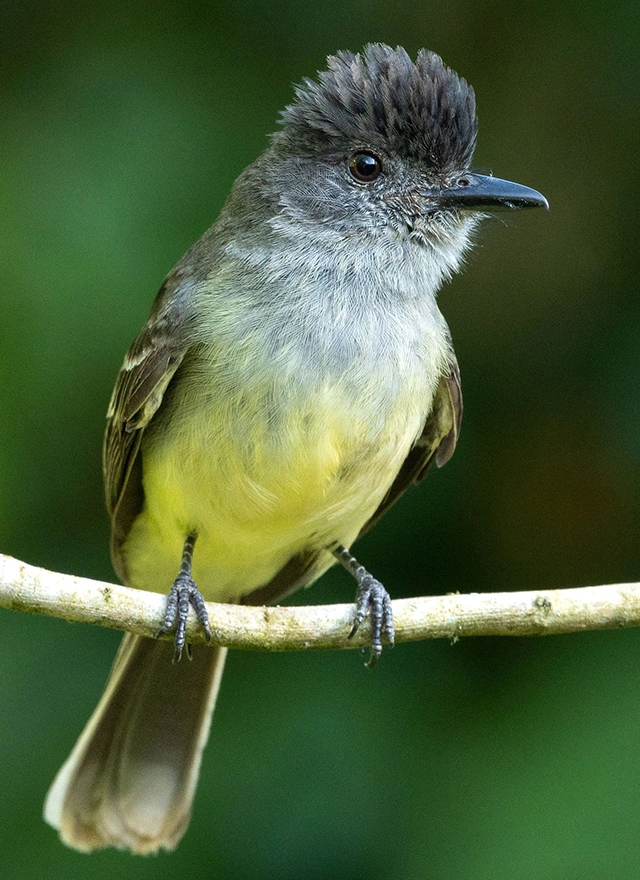
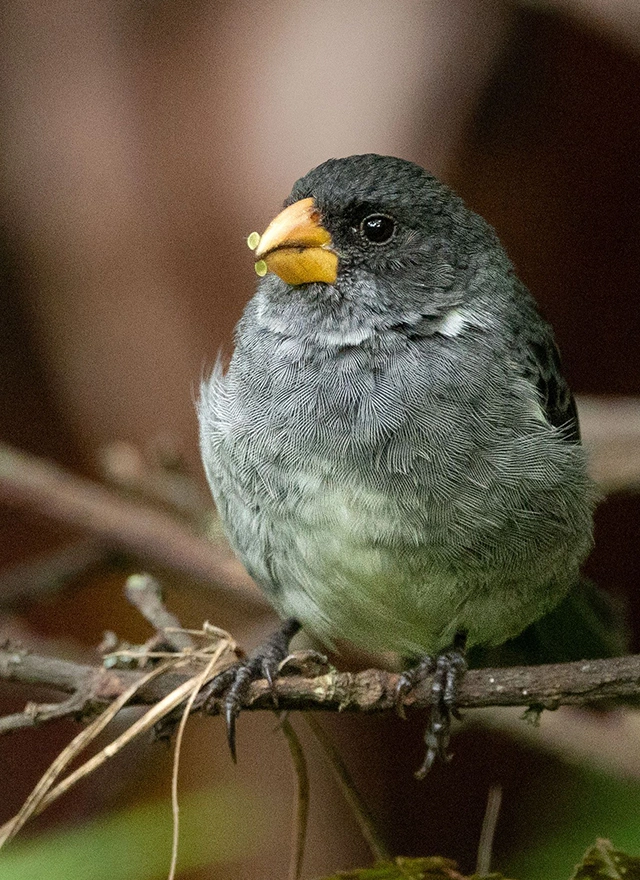
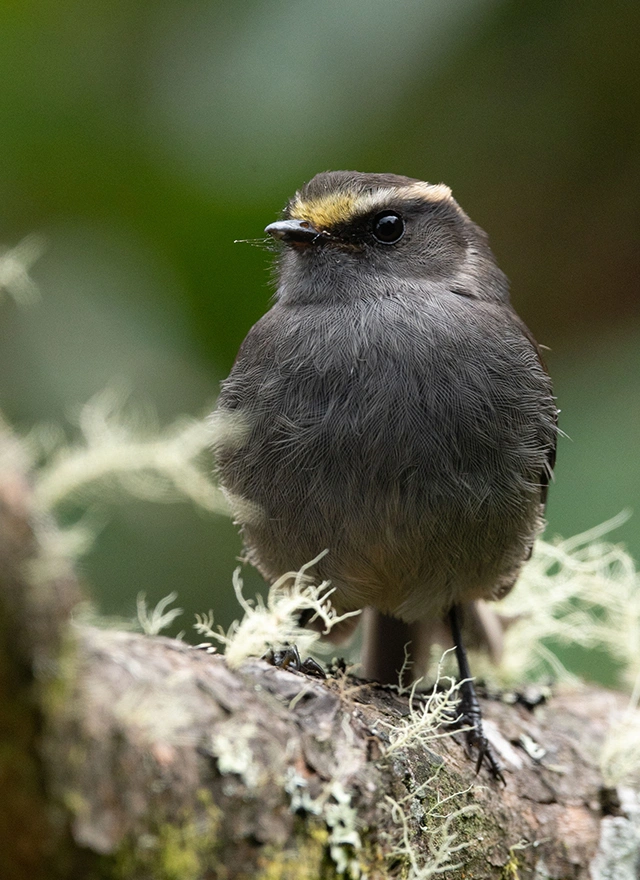
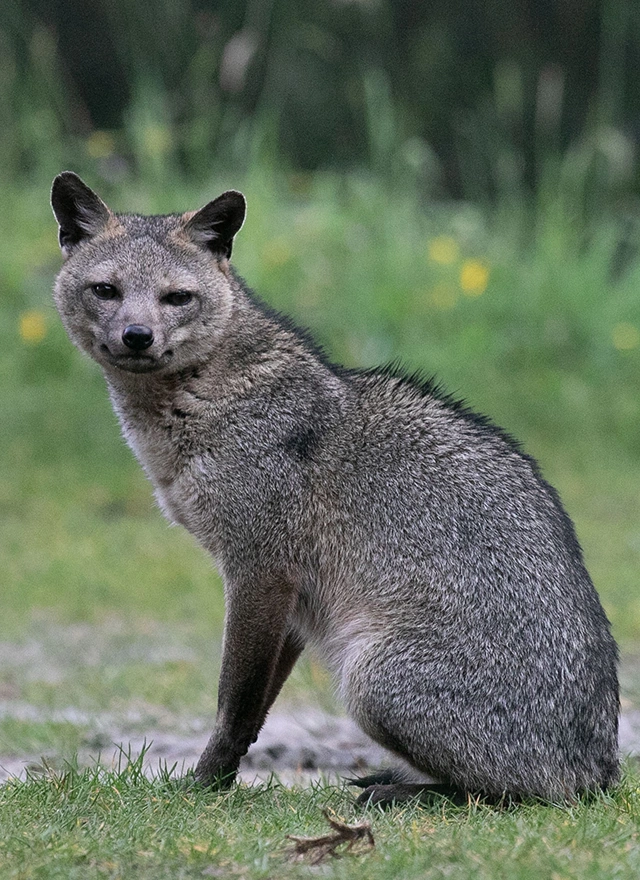
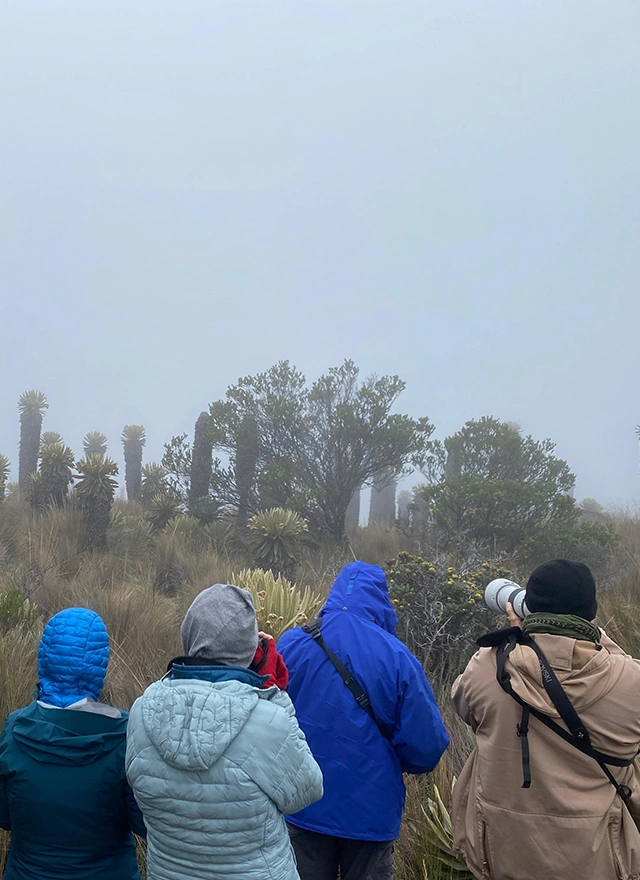
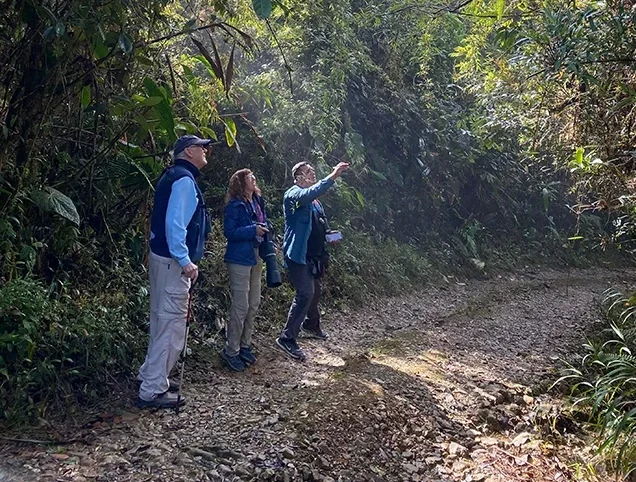
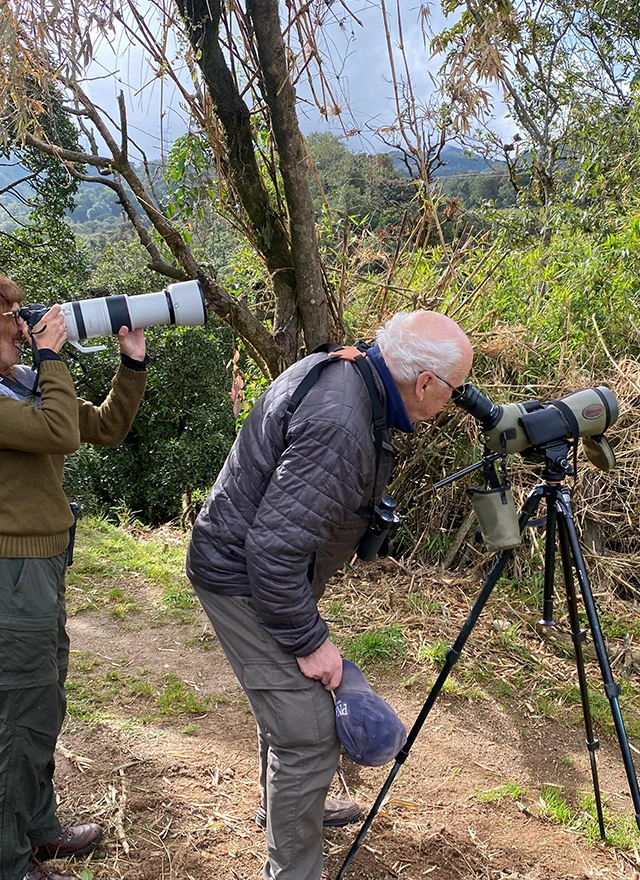
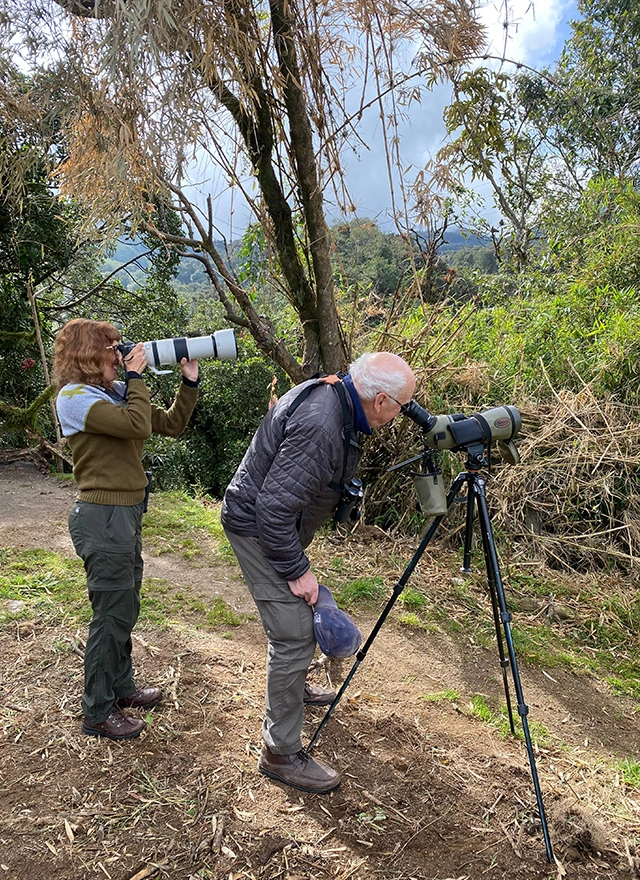
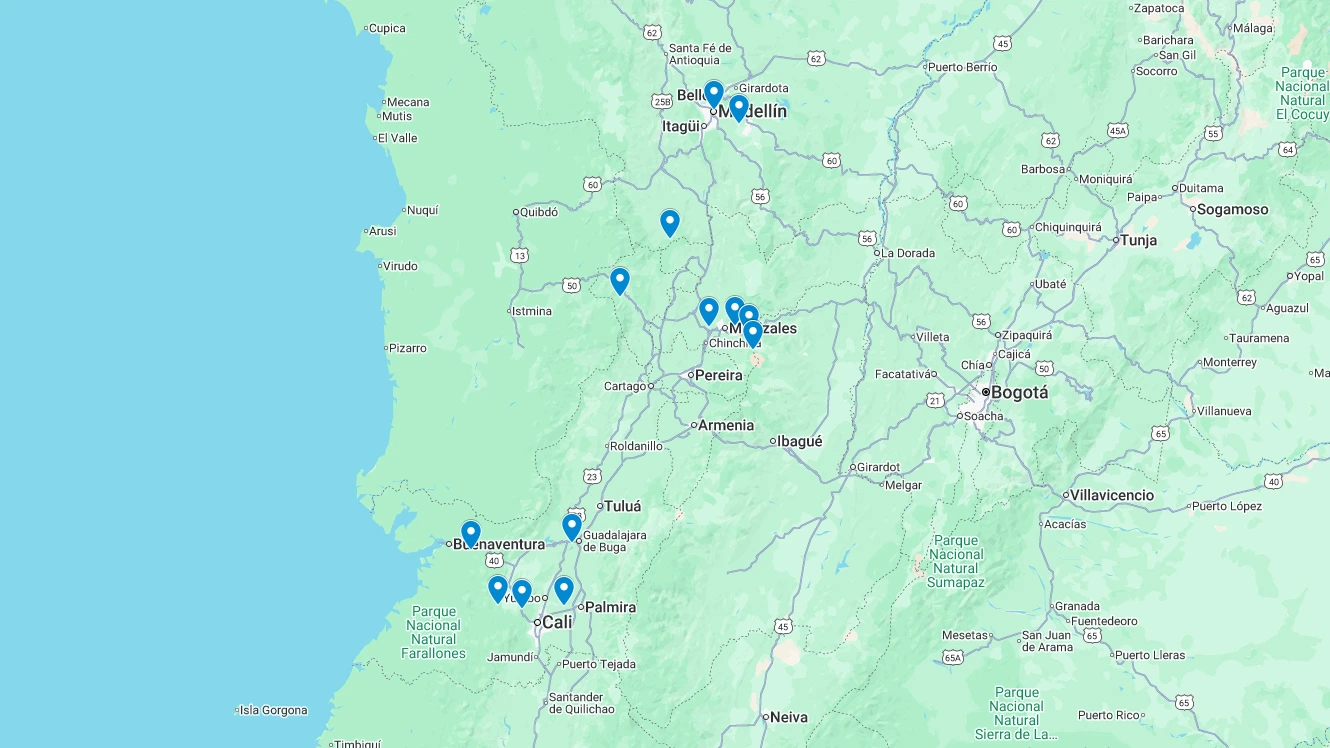
The Western and Central Andes are internationally recognized as biodiversity hotspots, home to an outstanding concentration of endemic and range-restricted birds. Dramatic landscapes, altitudinal gradients, and diverse habitats create ideal conditions for exceptional birdwatching, offering the opportunity to encounter many of Colombia’s most iconic and sought-after species. With the possibility of observing more than 400 species, this classical route, with renowned sites, is not only about numbers but about experiencing one of Colombia’s most biologically rich regions.
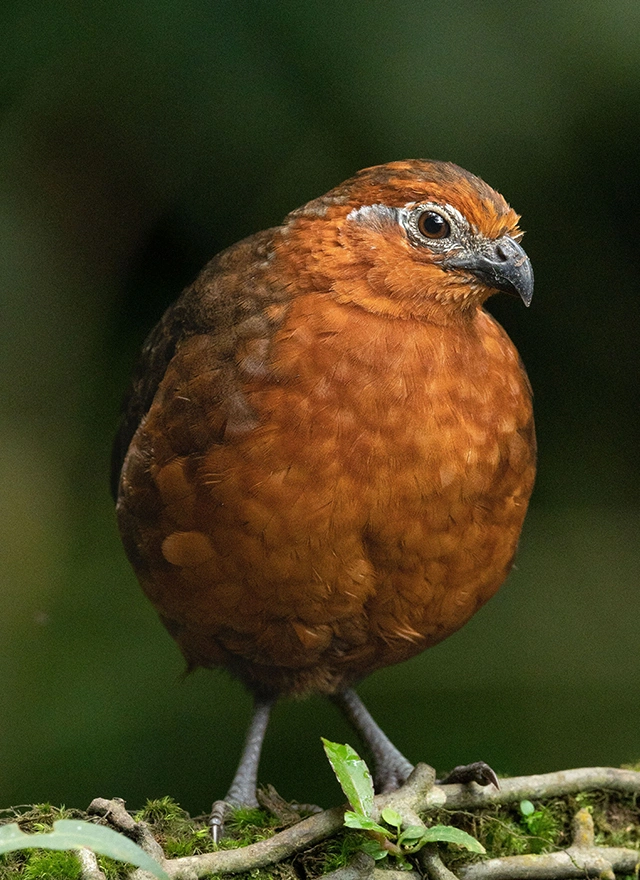
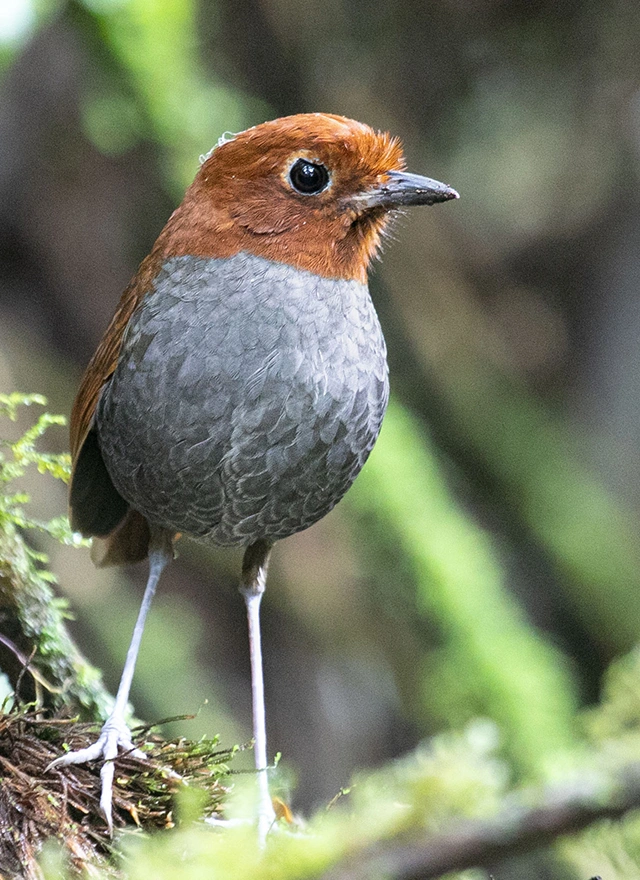
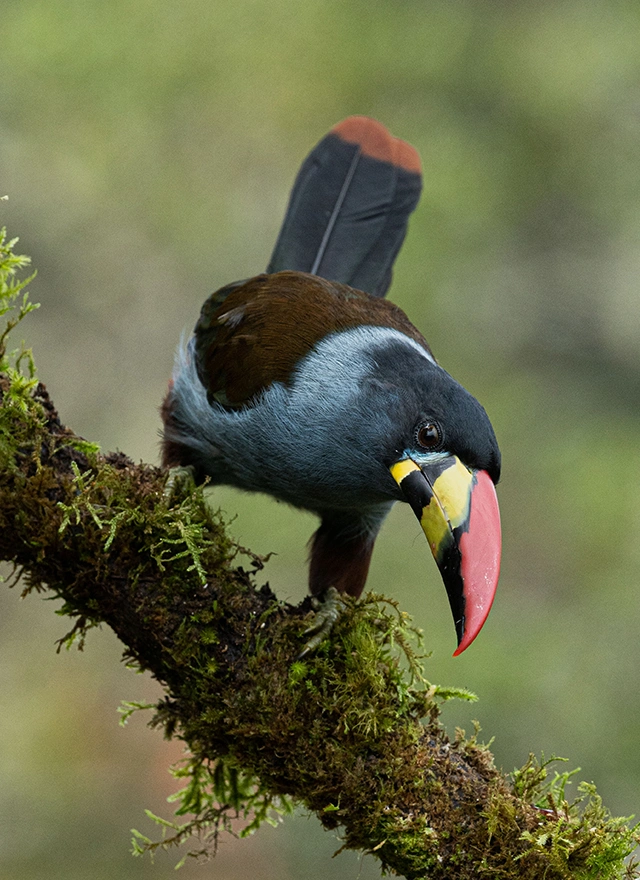
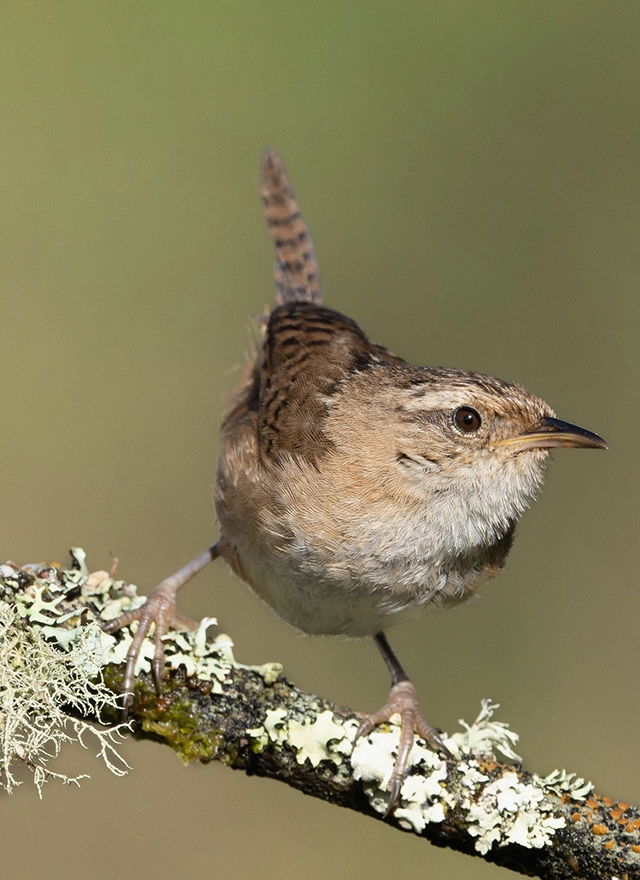
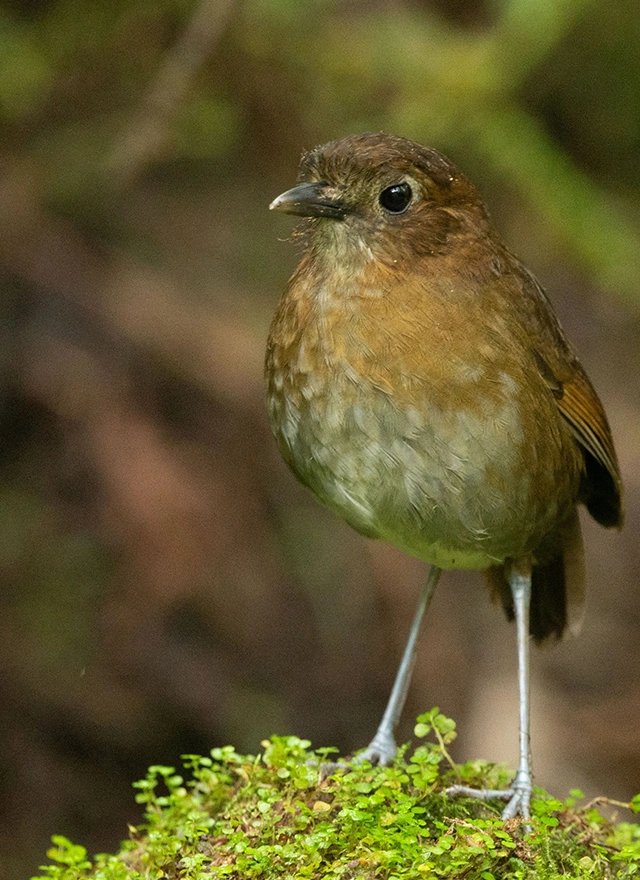
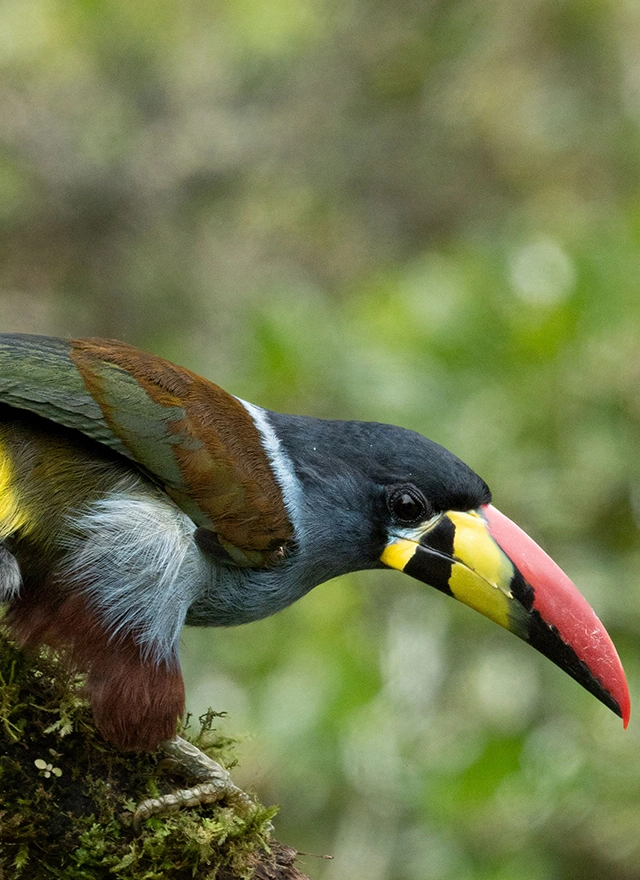
Key Species: Multicolored Tanager, Chestnut Wood-Quail, Long-tailed Sylph, White-booted Racket-tail, Toucan Barbet, Crimson-rumped Toucanet, Saffron-crowned Tanager, Gray-and-Gold Tanager, Choco Toucan, Five-colored Barbet, Rufous Motmot, Gold-ringed Tanager, Black-and-gold Tanager, Chestnut-bellied Flowerpiercer, Chestnut-breasted Chlorophonia, Choco Tapaculo, Antioquia Wren, Buffy Helmetcrest, Gray-breasted Montain-Toucan, Crescent-faced Antpitta, Yellow-eared Parrot, Brown-banded Antpitta and Crested Ant-Tanager, this trip is just a shown of the high diversity of bird of Colombia.
Arrivals to Cali International Airpot
Arrival at Cali International Airport Alfonso Bonilla Aragon CLO. Transfer to the first lodge.
The Cloud Forest of Km 18
Km18 Cloud Forest, the Km 18 is a famous spot for birdwatching in Colombia, we will have the chance to visit this forest and some well recognized photography and Birding feeder places the targets are the endemic Multicolored Tanager and Chestnut Wood-quail, Scrub Tanager, Saffron-crowned Tanager, Golden-naped Tanager, Black-capped Tanager, Chestnut-capped Brush-finch, Crimson-rumped Toucanet, Little Tinamou, Rusty-winged Barbtail, Green-and-black Fruiteater and White-throated Quail-Dove, Booted Racket-tail, Blue-headed Sapphire, Bronzy Inca, Tawny-bellied Hermit, Long-tailed Sylph, White-throated Daggerbill, by the end of the day we can enjoy Araucana Lodge gardens and feeders where we can see birds as Dull-colored Grassquit, Yellow-backed Oriole, Lineated Woodpecker, Parker’s Antbird, Green Jay, hummingbirds such as Long-billed Starthroat, Black-throated Mango, Andean Emerald, Purple-throated Woodstar and Western Emerald.
Queremal and Dona Dora
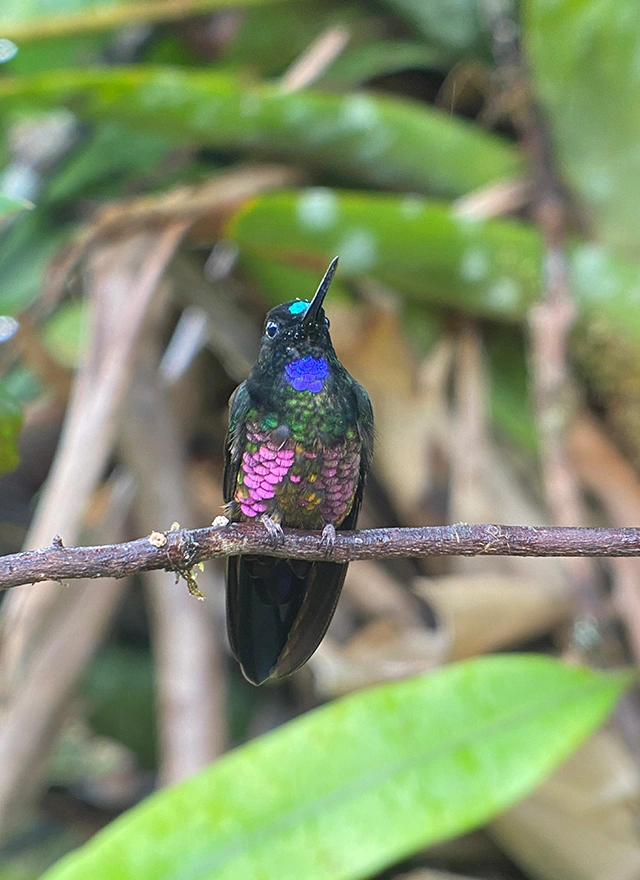
Queremal and Doña Dora at Km55, this is a short stop by the old Buenaventura Road doing the Upper part, we will do stops on the road looking for birds such as Crested Ant-tanager, Uniform Treehunter, Bar-crested Antshrike, Black-billed Peppershrike, Glistening-green Tanager, Brown-billed Scythebill, Lyre-tailed Nightjar; to end up at Km 55 Doña Dora’s place a famous birding spot where we can enjoy great views of Toucan Barbets, Black-headed Brushfinch, Rufous-throated Tanager, Silver-throated Tanager, White-lined Tanager, Gray-and-gold Tanager, White-whiskered Hermit, Rufous-gaped Hillstar, Purple-bibbed White-tipped and Green Thorntail.
San Cipriano and Drive to Buga
Early start to get to San Cipriano a remote village to the Choco Lowlands, Getting to there will required a ride in a weird and picturesque type of transportation which is known as the ¨Brujita¨ this is basically a wooden cart with iron wheels that goes on the old train track push by a motorcycle, San Cipriano is an afro-Colombian community that lives by the reserve that at the time is a forest that protects Buenaventura watershed, the is the nearest city that at the time is the main port of Colombia and the only one to the Pacific Ocean the targets for San Cipriano are Choco Toucan, White-tailed Trogon, Stub-tailed Antbird, Chestnut-backed Antbird, Bicolored Antbird, Dot-winged Antwren, White-whiskered Puffbird, Black-breasted Puffbird, Spot-crowned Barbet, Five-colored Barbet, Blue-whiskered Tanager, Tawny-crested Tanager, and many others from the Choco lowlands. After lots of good birds in San Cipriano, we leave the town and move to our following destination Buga, a town in the mid Cauca valley close to Sonso Lagoon reserve our next birding destination.
Sonso Lagoon and drive to Montezuma
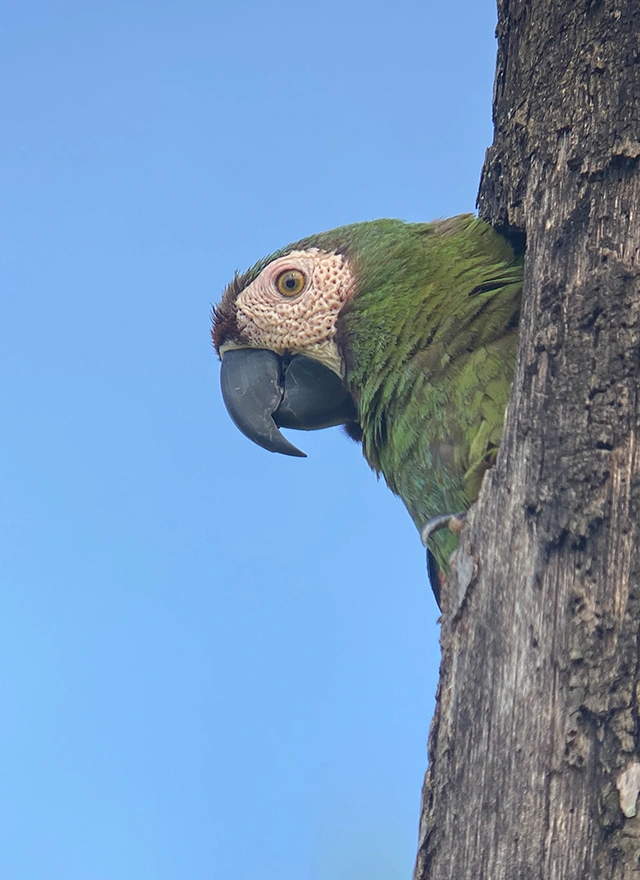
Early breakfast to the Hotel Guadalajara that is a charming site where we can also see birds as Blue-headed Parrot, Saffron Finch, Yellow-crowned Parrots and other by the gardens and trees, after breakfast toons of birds await for us to the dry forest, Cauca river and some of the wetland of the Sonso Lagoon Reserve this is one of the few wetlands that reminds in the whole Cauca Valley region, to this place we can look for endemic s such as Grayish Piculet, Apical Flycatcher and lots of tropical dry forest species such as Yellow Oriole, Oriole Blackbird, Little Cuckoo, Dwarf Cuckoo, Slate-headed Tody-Flycatcher, Yellow-olive Flycatcher, Cocoa Woodcreeper, Streak-headed Woodcreeper, Jet Antbird, Great Antshrike, Cinereus Becard, Blackish Rail, Purple Gallinule, Black-bellied, Fulvous and White-faced Whistling-ducks, Pale-breasted Spinetail, and more; this is the only place west to the Andes to look for Horned Screamer a species usually in to the Amazon region that can be seen in open areas or top on the trees by the marsh or the dry forest. The afternoon is going to be spent getting to Montezuma our next destination in Western Andes.
Montezuma Upper Portion
Montezuma Upper Portion, from the lodge at 5000 feet we drive early morning to head to almost 9000 feet this in only seven miles of distance an absolutely great range where lots of endemics are possible, there to the top we’ll look for Chestnut-bellied Flowerpiercer, Gold-ringed Tanager and Munchique Wood-wren, those are pretty restricted to the Highlands in Western Andes, other targets include Smoky Bush-tyrant, Tanager Finch, Beautiful Jay, Barred Fruiteater, Rufous Spinetail, Fulvous-dotted Treerunner, Purplish-mantled Tanager, Chestnut-breasted Chlorophonia, Velvet-purple Coronet, Violet-tailed Sylph, Black Solitaire and more.
Montezuma Mid portion
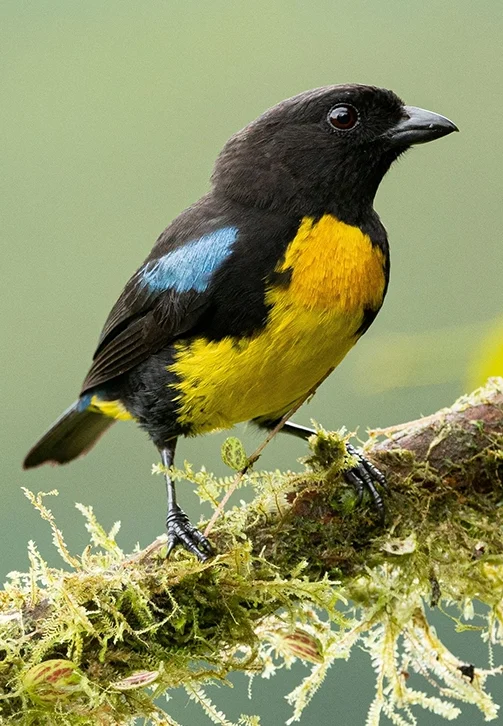
An early start in order to get from the lodge to the Mid high elevation in the Mongezuma hill, we will seek for missing species on the upper part day as well as for a new array of target species including the endemic Black-and-gold Tanager, the pretty uncommon Choco Vireo, Choco Tapaculo, the endemic Tatama Tapaculo, Olive Finch, Scaly-throated Foliage-gleaner, Fulvous-breasted Flatbill, Parker’s Antbird, Lemon-browed Flycatcher, as well as Uniform Antshrike, Rufous-throated Tanager and Ochre-breasted Antpitta.
Montezuma Lodge and drive to Manizales
Montezuma Lodge to look for missing ones to the lower area during the morning, walking from the lodge in the road to the top we can find lots of good birds such as Striolated Manakin, White-shouldered Tanager, Lanceolated Monklet, Dusky-capped Flycatcher, Bay-headed Tanager, Lemon-browed Flycatcher, Choco Warbler, Moustached Puffbird and more. In the afternoon we will drive to Manizales, in the way we will do a birding stop to the Embalse Cameguadua, a wetland where we are likely to enjoy views of Pied.billed Grebe, we have chances to watch the endemic Grayish Piculet, as well as some others such as Blackish Rail, Purple Gallinule, Spot-breasted Woodpecker and more. We will be getting to Manizales located to the Central Andes at the end of the day.
Rio Blanco Reserve
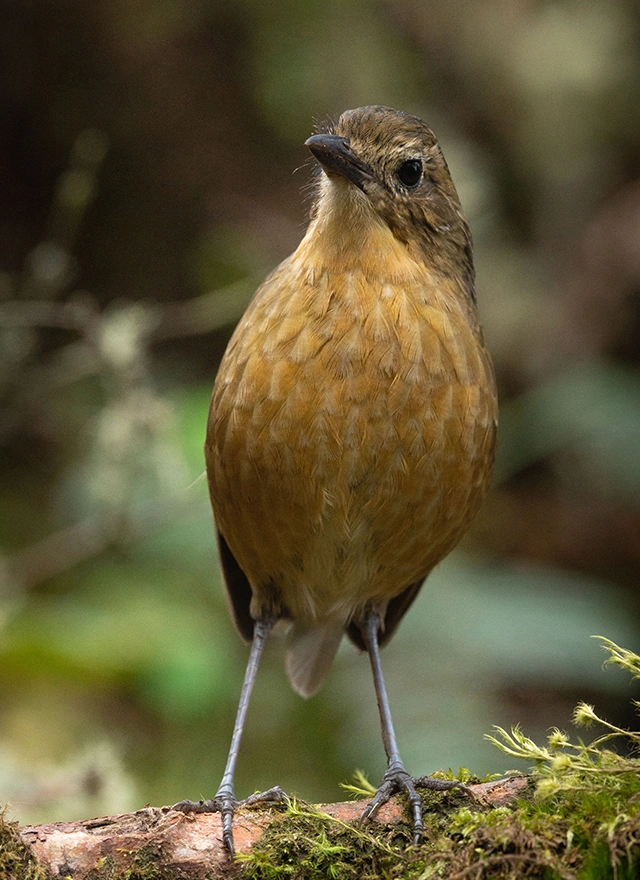
Rio Blanco Reserve, this is the reserve that protects the forest which is where a big source of water from Manizales city comes from, but it is also one of the most popular birding sites of Colombia, famous for having great mixed flocks, Antpitta feeding stations and lots of high Andean species, the targets are Masked Saltator, Black-billed Mountain-toucan, Flammulated Treehunter, Brown-banded, Chestnut-crowned and Bicolored Antpittas, Grass-green Tanager, Buff-breasted Mountain-tanager, Black-capped, Black-eared and Superciliared Hemispingus, Hooded Bush-tanager, Capped Conebill, Powerful Woodpecker, Plushcap, Golden-plumed Parakeet, Tyrannine Woodcreeper, White-tailed Tyrannulet and much more.
Hacianda El Bosque and Nevados National Park
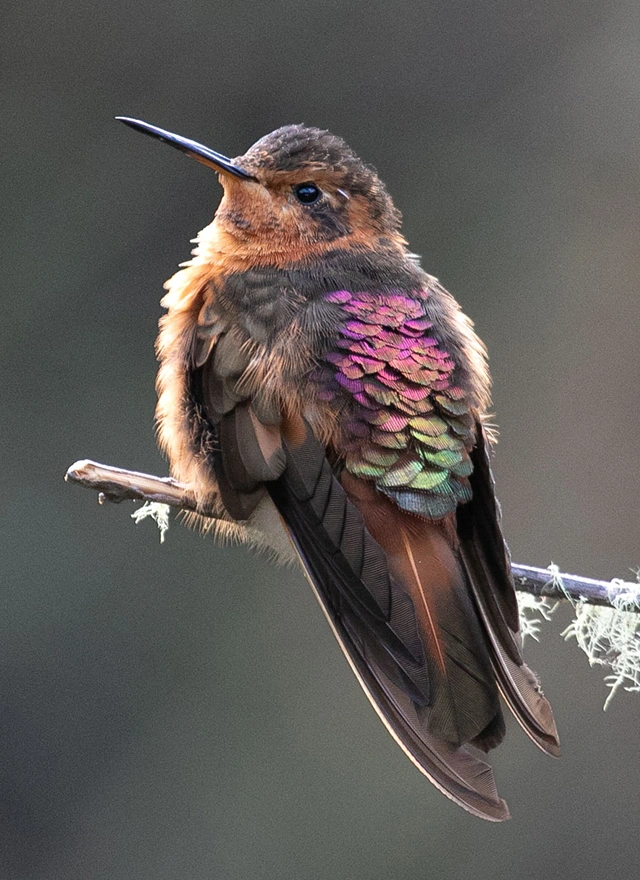
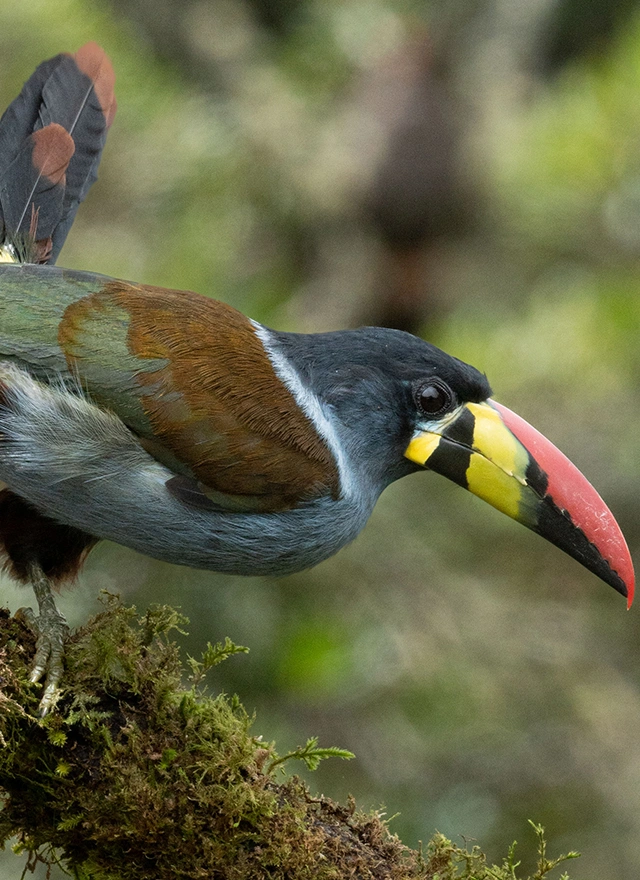
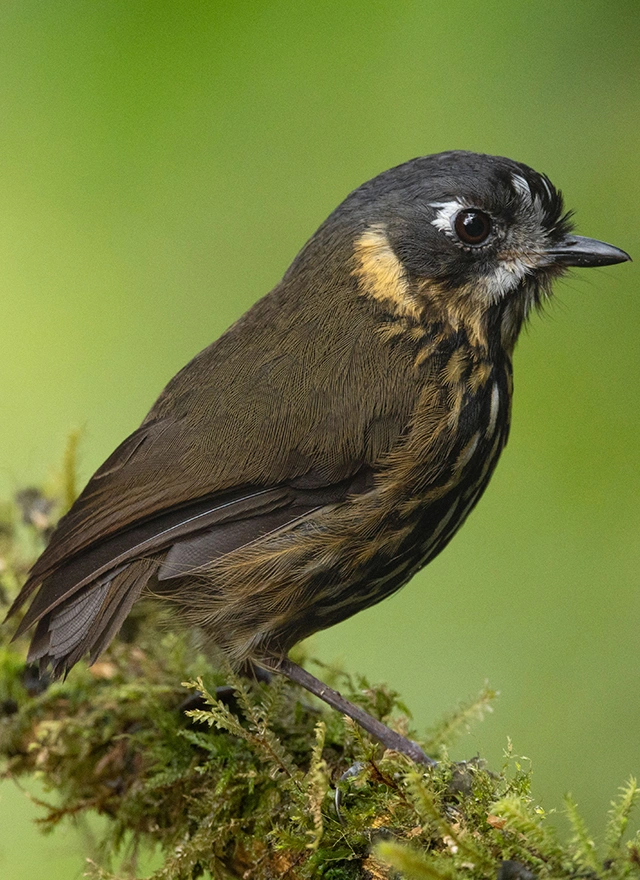
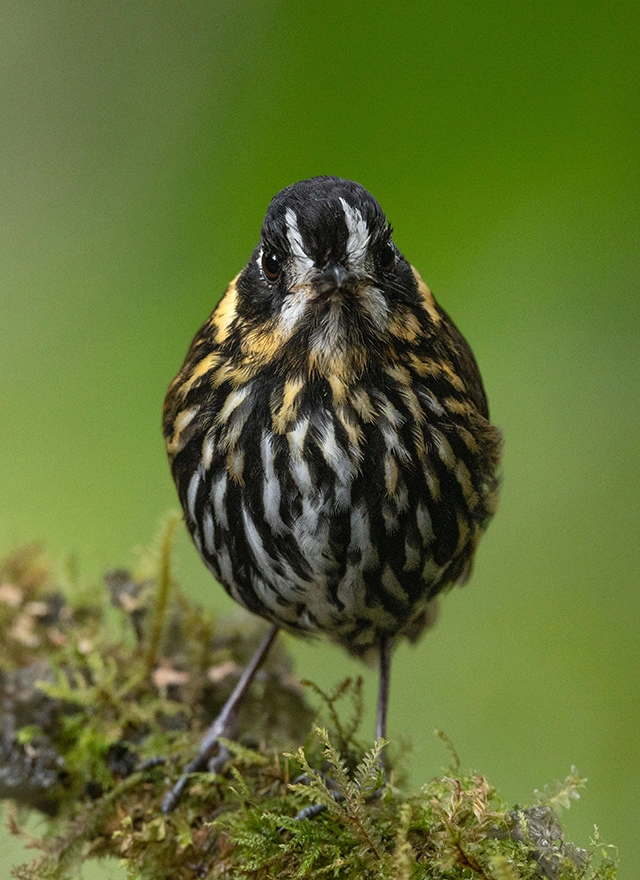
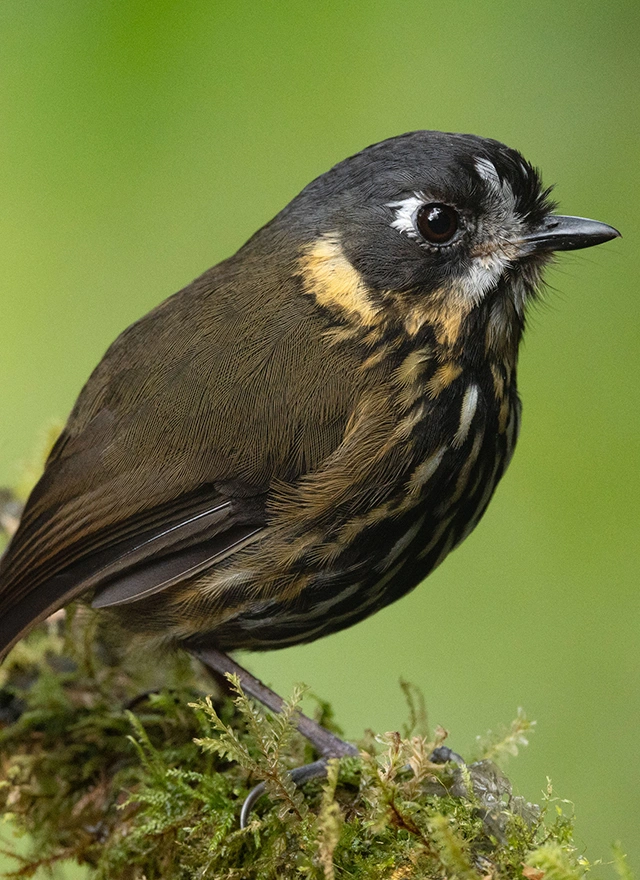
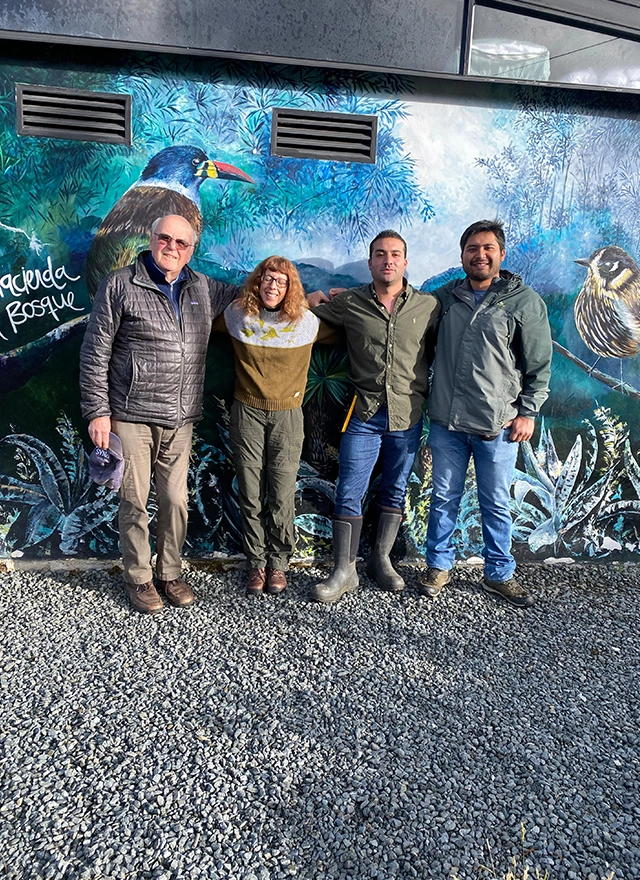
Hacienda El bosque is one of the most popular sightings for birding and bird photography, a dairy farm where you can enjoy lots of great birds from the Central Andes of Colombia, this due to there are feeding stations by the reminds of forest, the first one to visit is the feeder station, where we can watch the secretive Equatoria Antpitta, see Gray-browed Brushfinch, White-browed Spinetail, Mountain Wren and if some of the plants around are in bloom those could attract Purple-backed Thornbill, the next feeding station is a place for hummingbirds and also the feeder for the Crescent-faced Antpitta which is a rare of rare ones, some of the hummingbirds that can be seen include Buff-winged Starfrontlet, Black-thighed Puffleg, Sword-billed Hummingbird, Collated Inca, Shining Sunbeam, Tyrian Metaltail, Tourmaline Sunangel, White-bellied Woodstar and more, one of the most wanted birds at El Bosque is undoubtedly the Gray-breasted Mountain-toucanthis is one of the highlight from this location.
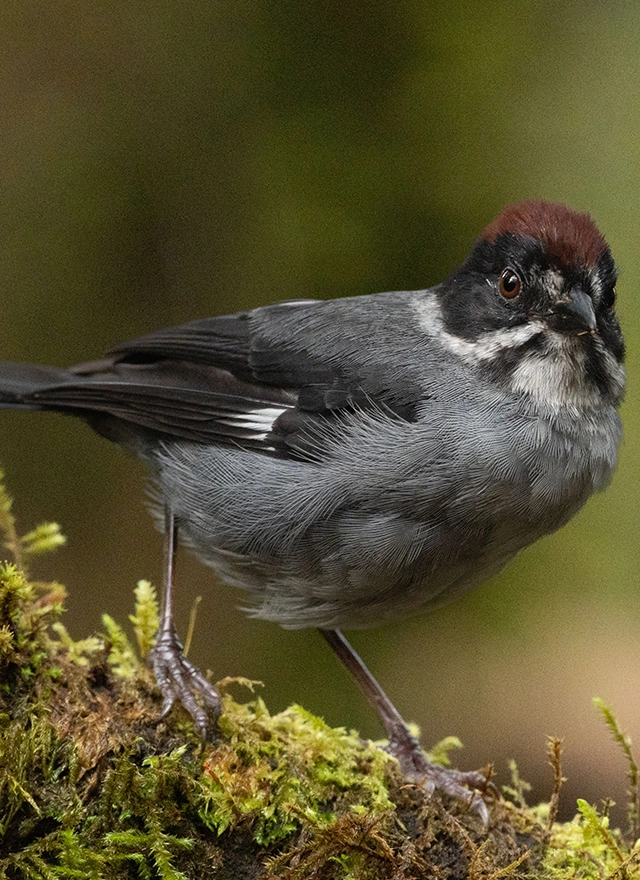
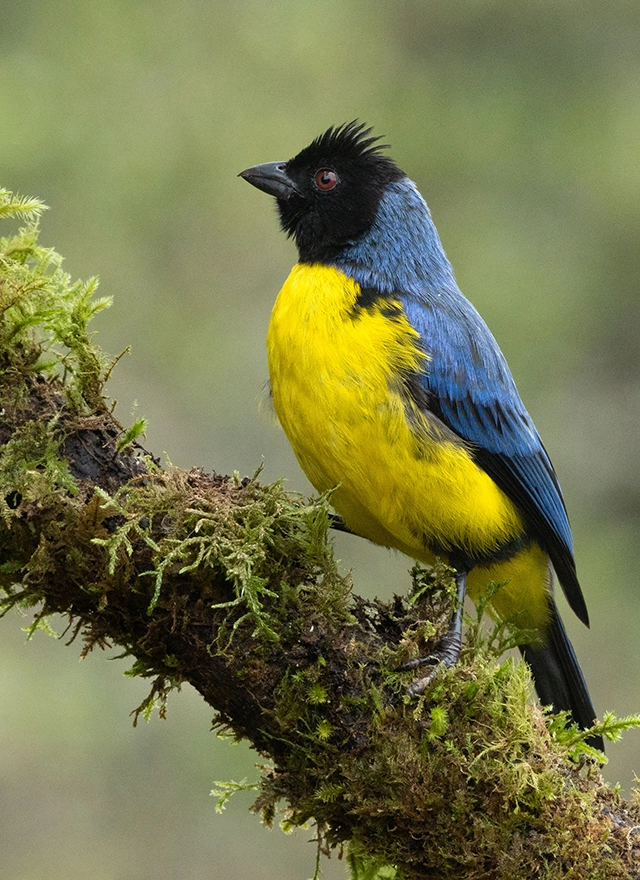
Some other ones we can spot here are the impressive Hooded Mountain-tanager as well as Northern Slaty Brushfinch, Mountain Wren, Barred Fruiteater and more, after enjoyed the activity of this place we will head to the Nevados national park where we can see different species from the paramos, some of those are Plain-colored and Paramo Seedeaters, Grass Wren, Tawny Antpitta, Pale-naped Brushfinch, Viridian Metaltail, White-chinned Thistletail, Brown-backed Chat-tyrant, the endemic Rufous-fronted Parakeet and others by the end of the day we will visit the feeders at Termales del Ruiz Hotel where we can see the stunning Scarlet-bellied Mountain-tanager, Lachrymose Mountain-tanager, Rainbow-bearded Thornbill, Golden-breasted Puffleg among many others.
The Nevados National Park
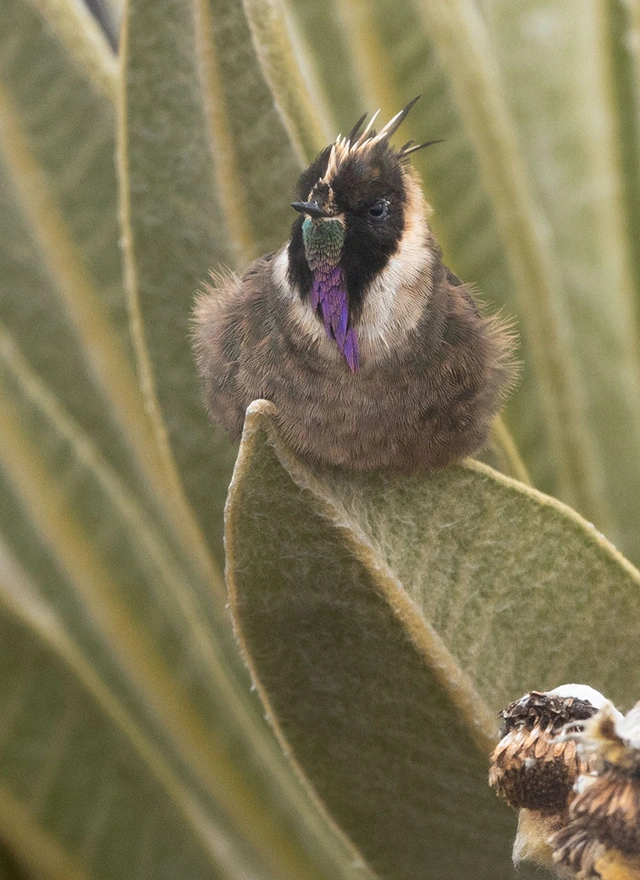
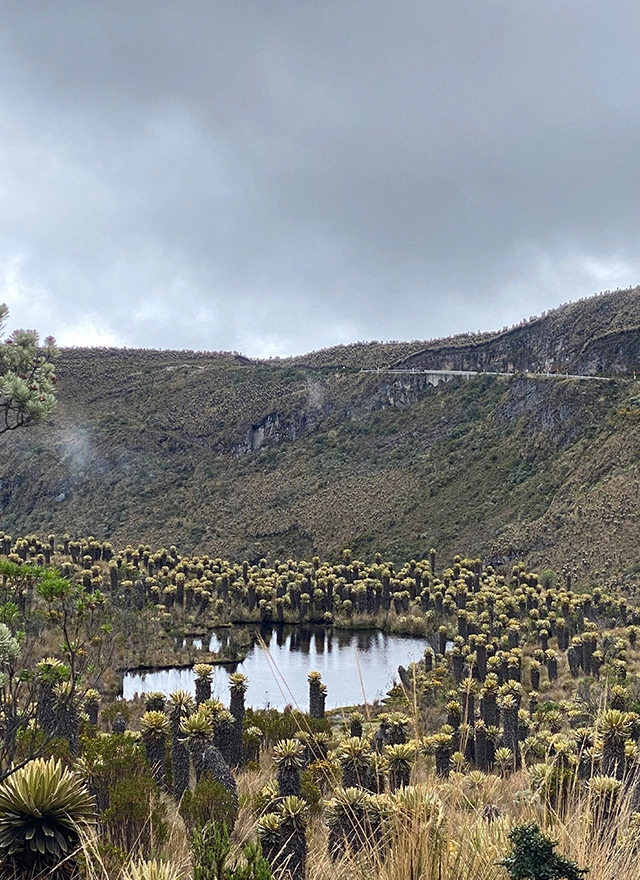
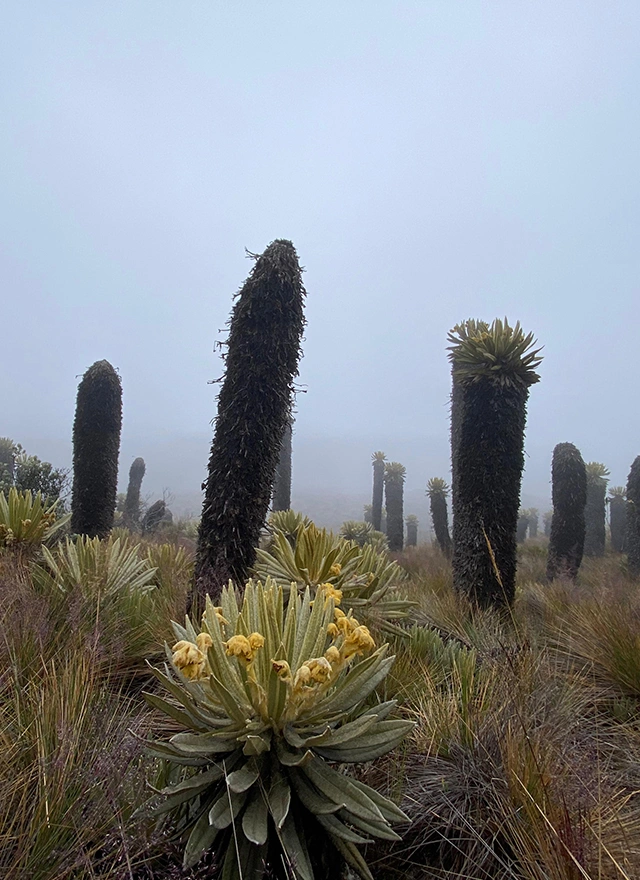
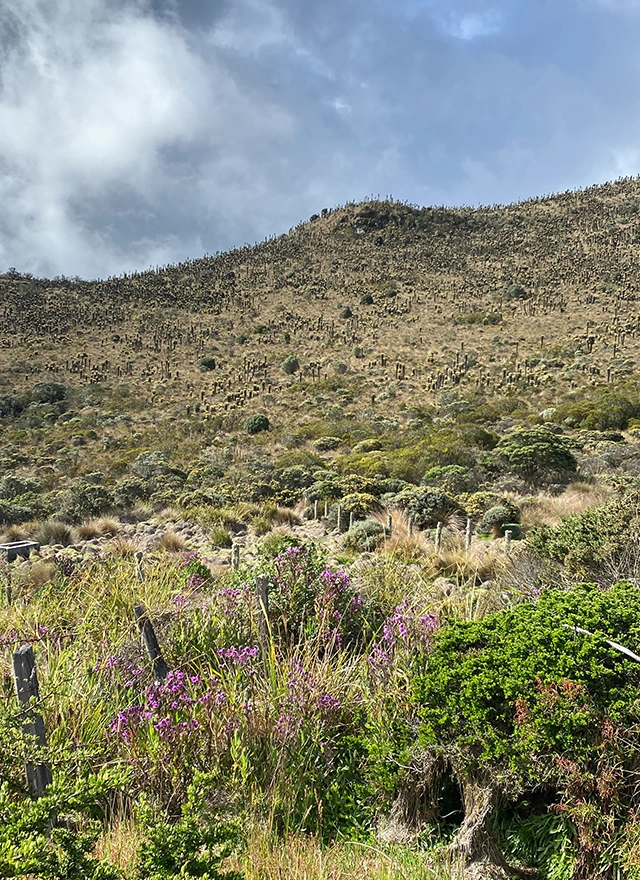
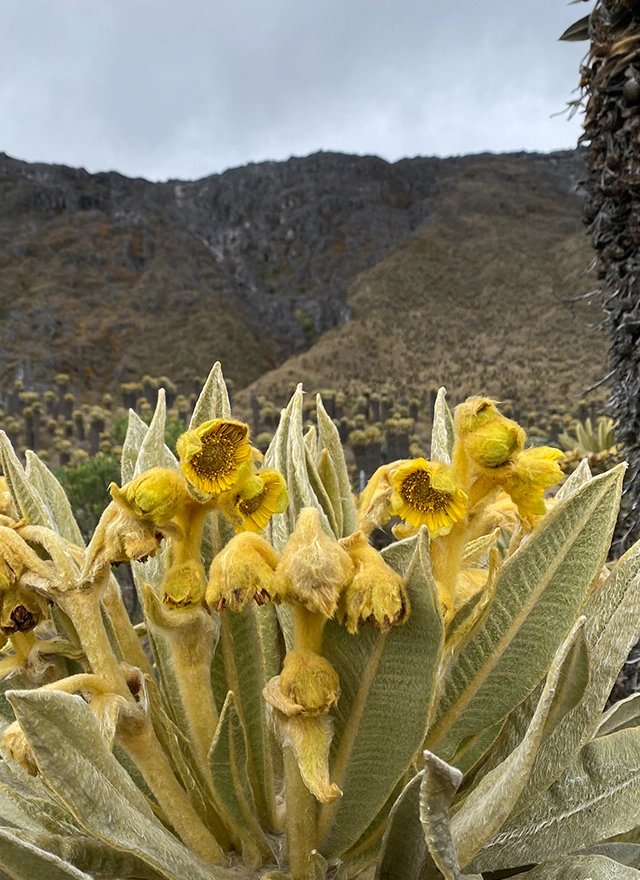
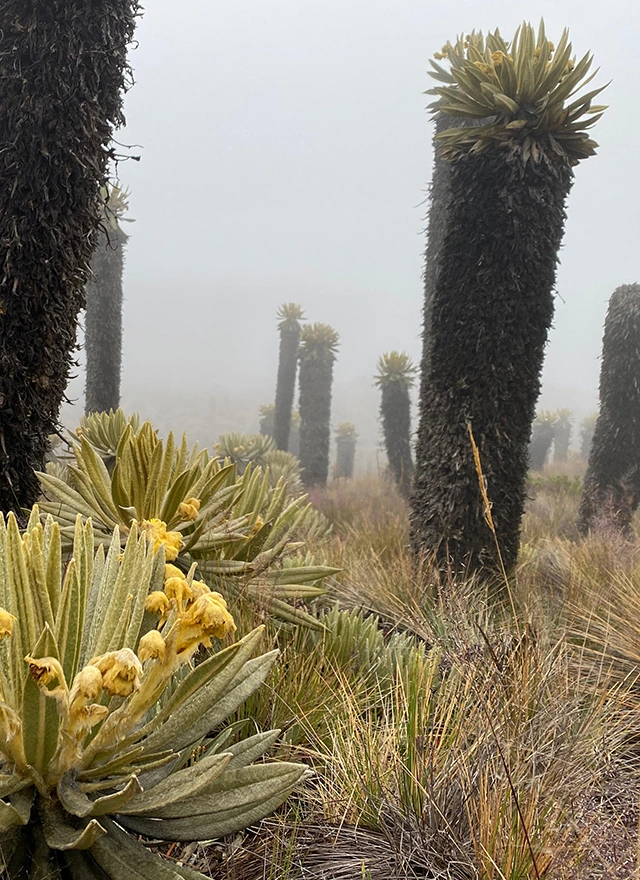
A day to seek for the paramo especialists as well as enjoying one of the most stunning scenery of the country, one of the highlights will be the endemic Busffy Helmetcrest, and exclusive hummingbird from the Nevados National Park, plus the unique «speletia» forest and all the elfin forest vegetation asocciated to this ecosystem will amazed all of us.
Morning at Tinamu Lodge and drive to Jardin
From the Nevados National Park we will drive to our first stop the Tinamu Ecolodge for a morning of birding, some of the targets here include the secretive Blue-lored Antbird, Golden-collared Manakin, Bar-crested Antshrike, Guira Tanager, White-vented Plumeleteer, Crimson-backed Tanager, Moustached Puffbird, among many others; After lunch we drive to Jardin.
Ventanas road & Mirador El Roble
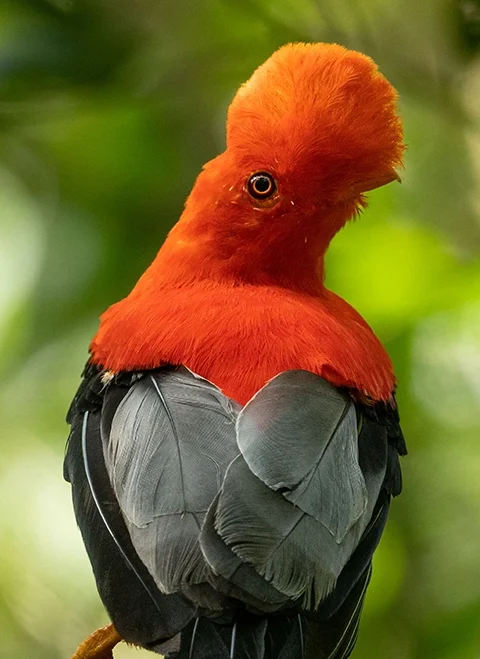
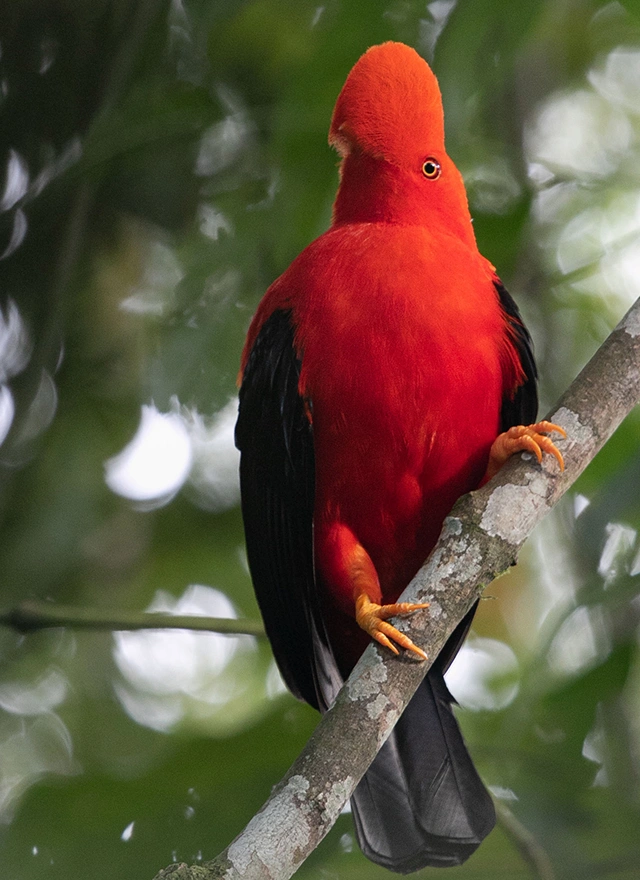
An early start will be necessary to be schedule with the antpitta feeding time. To this place we have probabilities for the endemic Chami Antpitta as well as for Chestnut-naped Antpitta besides we will also search for the endemic Yellow-eared Parrot who forages and lives in the forest of the area, some other targets include the uncommon Chestnut-crested Cotinga, Capped Conebill, Oleaginous Hemispingus, Plushcap, Mountain Cacique, Grass-green Tanager and more, we will have breakfast and lunch at mirador el Roble and be back to Jardin to go to the Andean Cock of the Rock Lek in the afternoon.
Last morning of birding and drive to Medellin.
During the last morning we will visit a place with bird feeders as well as a birding stop in the way to Medellin to look for the Endemic Antioquia Wren as well as Black-stripe Sparrow, Apical Flycatcher and Grayish Piculet, we drive after birding towards to the Hotel close to Medellin Airport.
Departures
Departures from the Jose Maria Cordova MDE Medellin International Airport.
- All lodging (double occupancy)
- All meals from dinner on day 1st to breakfast on day 14th
- All ground transportation from airport pick up to airport drop-off
- Local guides at some of the sites visited
- Entrances to birding places and indigenous communities
- Water
- Tips & gratuities
- Alcoholic beverages
- International Airfare
- Laundry and room service
- Medical expenses not covered for healthcare insurance
- Items of personal nature
- Extensions of the trip due to circumstances out of our control
- Any item not mentioned as included