Colombian Amazon Birding Tour
Birding in the Colombian Amazon
Birding in the Colombian Amazon
Amazon Rainforest Birding Experience
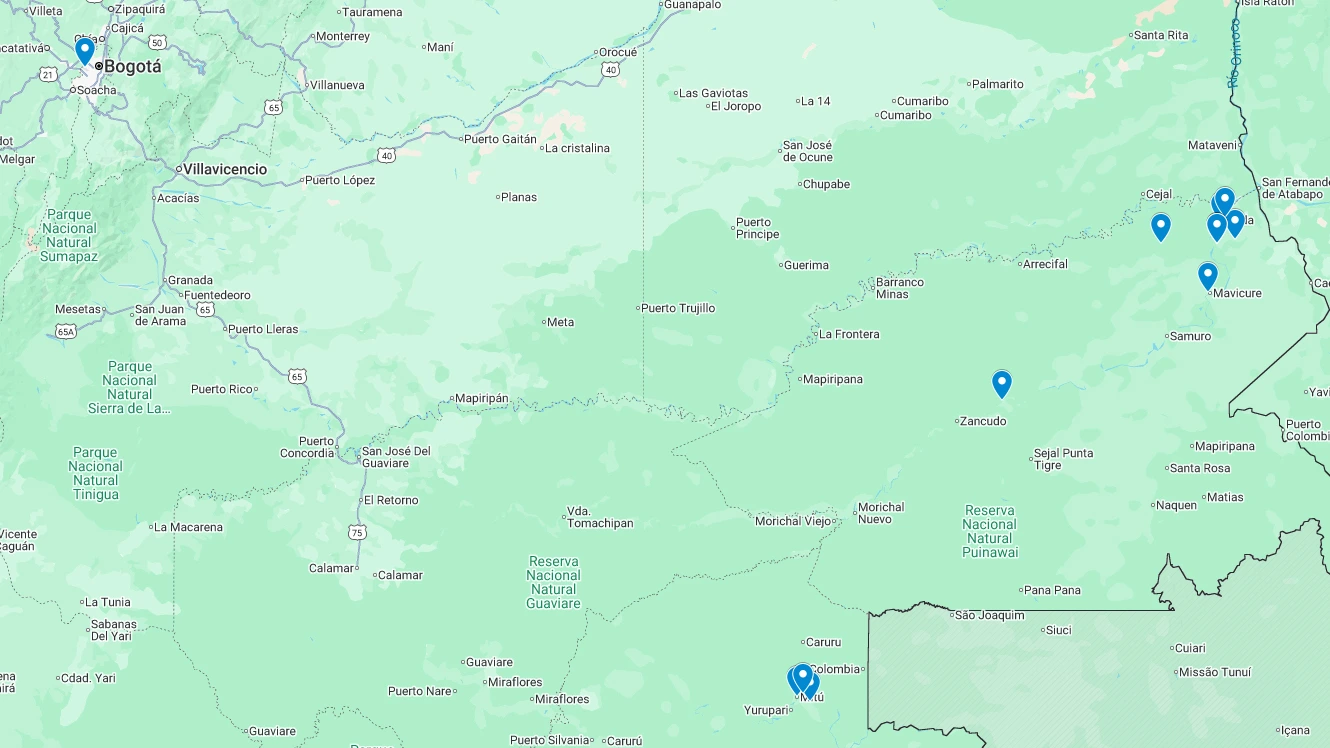
Colombia offers some of the most extraordinary places to experience the Amazon ecosystem. We have selected two of the most productive Amazonian areas for birdwatching - remarkable not only for their bird diversity but also for the richness of their habitats that foster high levels of endemism and ecological specialization. Additionally, we include an extension to the Eastern Andes, enriching your experience with an altitudinal contrast and the opportunity to observe species unique to this region.
Key Species:
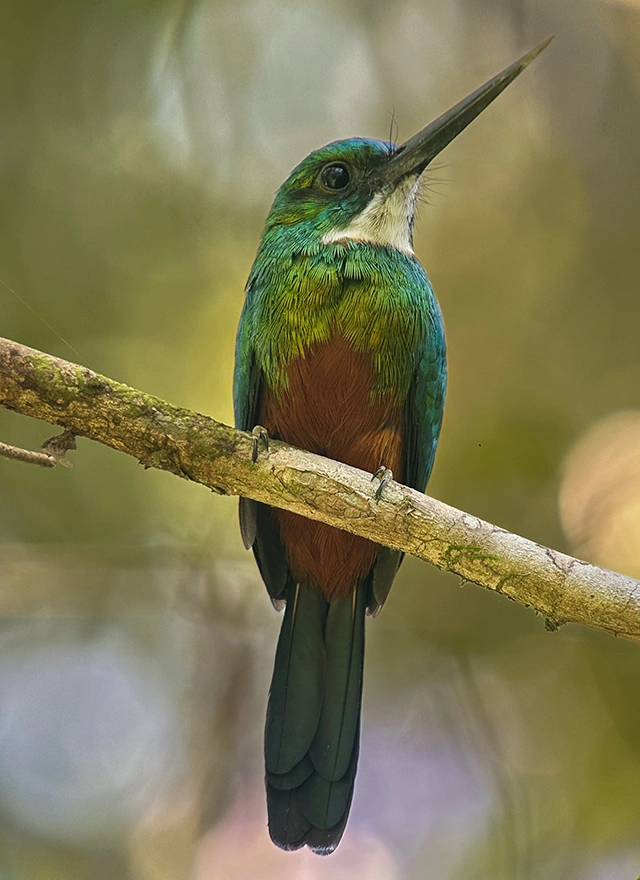
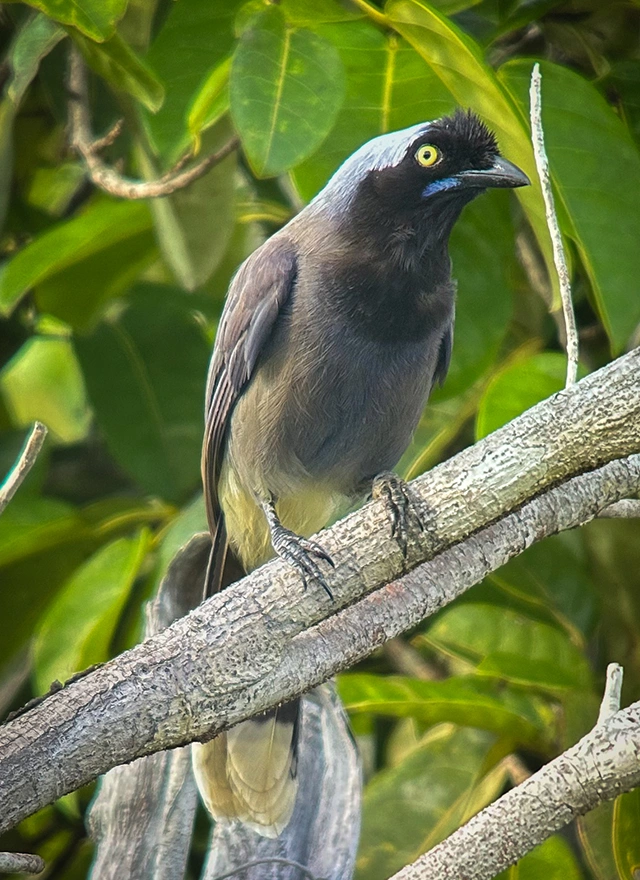
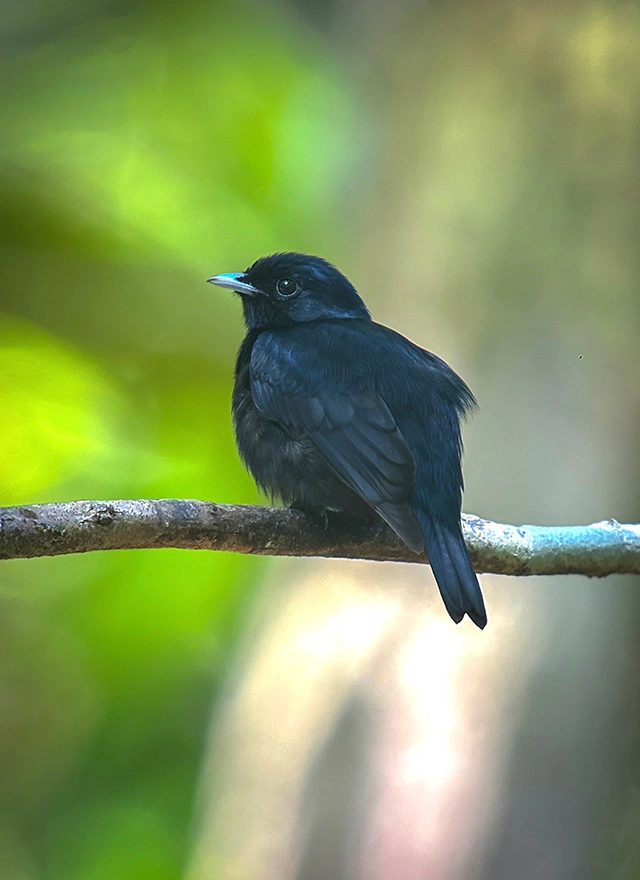
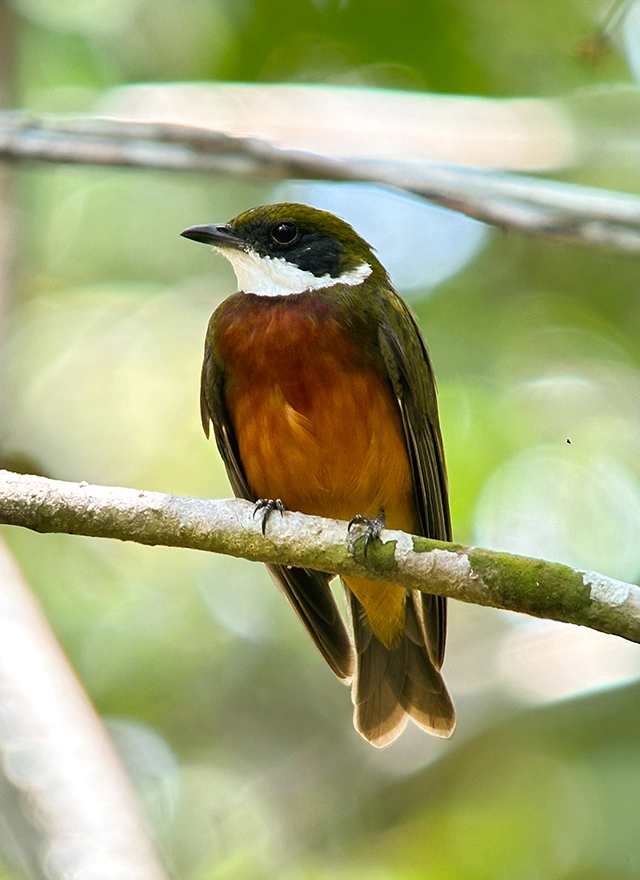
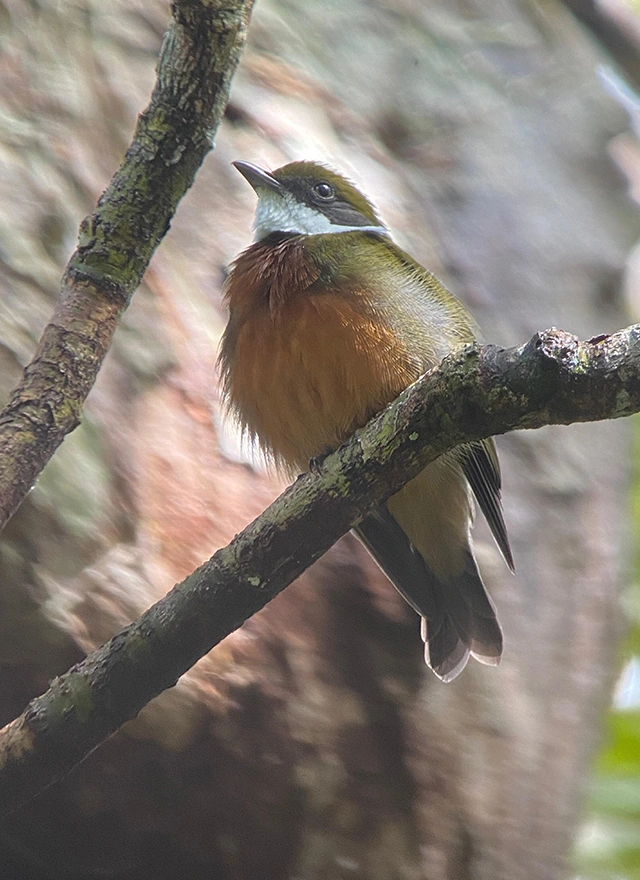
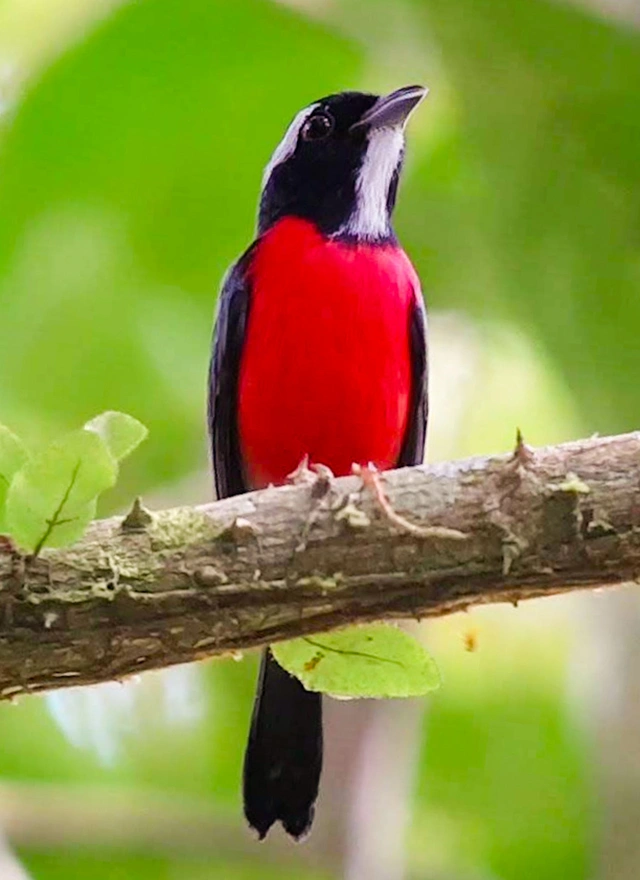
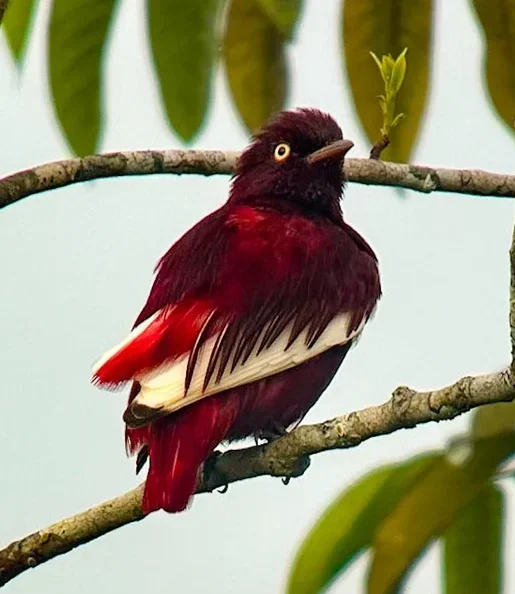
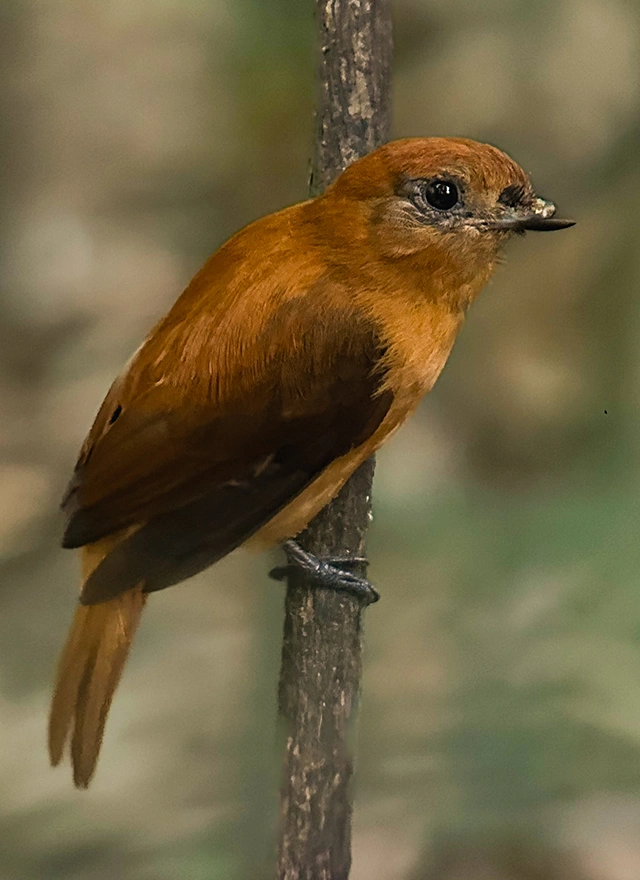
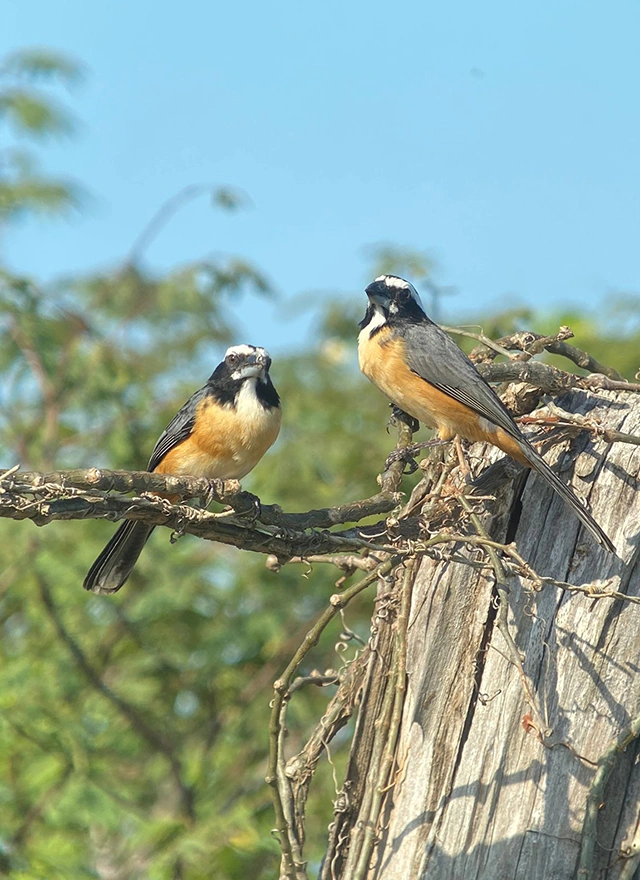
Pompadour Cotinga, Black Manakin, Yapacana Antbird, Capuchinbird, Ringed Woodpecker, Rose-breasted Chat, Orinoco Softtail, Pale-bellied Mourner, Wire-tailed Manakin, Azure-naped Jay, Ivory-billed Aracari, Lettered Aracari, Guianan Cock-of-the-rock, White-plumed Antbird, White-browed Purpletuft, Banded Antbird, Yellow-browed Antbird, Gray Antbird, Silvered Antbird, Fairy Topaz, Black-bellied Thorntail, Citron-bellied Attila, Yellow-green Grosbeak and Paradise Tanager.
You might also be interested in:
Tour Details
Itinerary
What´s Included
What´s Not Included
ARRIVAL TO BOGOTÁ INTERNATIONAL AIRPORT BOG
Arrival to Bogotá International Airport BOG El Dorado.
FLIGHT TO MITÚ, AFTERNOON IN MITUSEÑO COMMUNITY
In the morning we fly to Mitú, located in the eastern Amazon close to the Brazilian border, a small town that is a mix of mestizos and indigenous people and surrounded by several indigenous villages. Our first destination is the Mituseño bridge which is close to town and a must for birdwatching. Some of the birds we are likely to see include Golden-headed Manakin, White-browed Purpletuft, Helmeted Pygmy-Tyrant, Sulphury Flycatcher, Rufous-bellied Euphonia, Blackish-gray Antshrike, Amazonian Antshrike, Sungrebe, and Red-throated Caracara. There is also a chance for the uncommon Red-fan Parrot.
PUENTE LATA AND PUEBLO NUEVO COMMUNITY
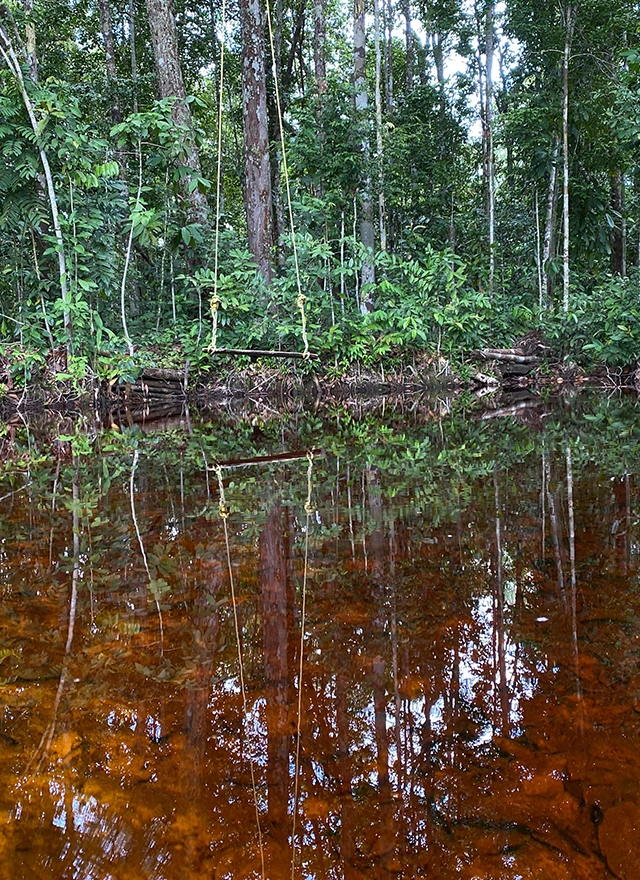
This morning we will drive an hour and twenty minutes to a bridge called “Puente Lata” that spans a black river named Caño Cukura. Here we will look for the stunning and enigmatic Fiery Topaz, a special hummingbird exclusive to the Amazon jungle and associated with black rivers. After trying for this hummingbird, we head back to Pueblo Nuevo, an indigenous community where we will immerse ourselves in the Amazon “terra firme” jungle and search for many birds unique to this area, such as the uncommon Chestnut-crested Antbird; Pygmy Antwren; Pearly, White-shouldered and Cinereous Antshrikes; Yellow-browed, White-faced, White-plumed, White-checked and Black-faced Antbirds; Double-banded Pygmy-Tyrant; Musician Wren; Wing-barred Piprites and more. Spending time in this jungle is a must for your Amazon experience, following skulking birds and searching for secretive understory jewels.
CERRITO VERDE
This is another great spot for birdwatching around Mitú. Some of the birds that we can find here are Pale-tailed Barbthroat, Reddish Hermit, Black-eared Fairy, Green-backed Trogon, White-necked Puffbird, Rusty-breasted Nunlet, Great Jacamar, White-throated Toucan, Red-stained Woodpecker, White-crowned Manakin and Guianan Cock-of-the-rock which is an emblematic species that breeds in the Guianan Shield rocky formations.
CEIMA CACHIVERA AND MITÚ CACHIVERA
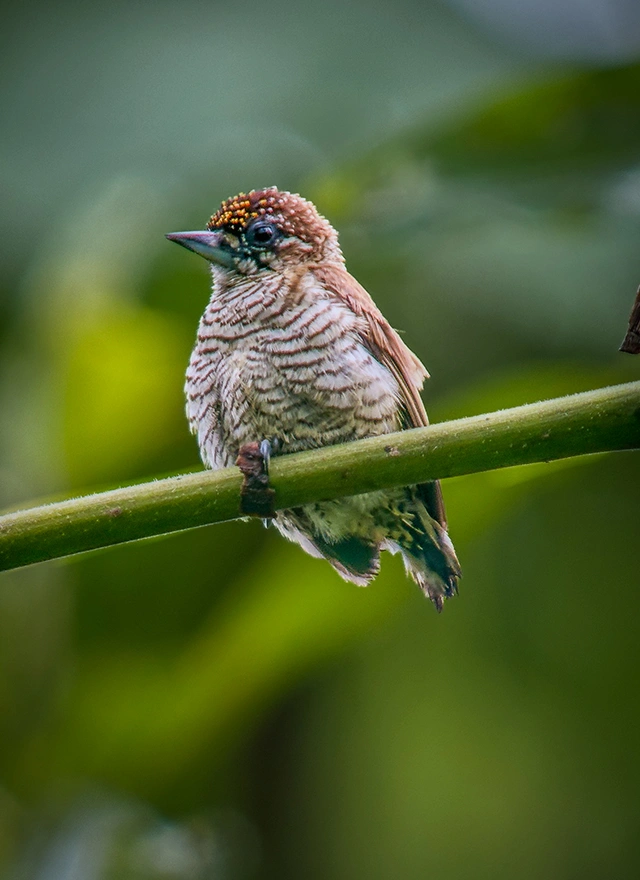
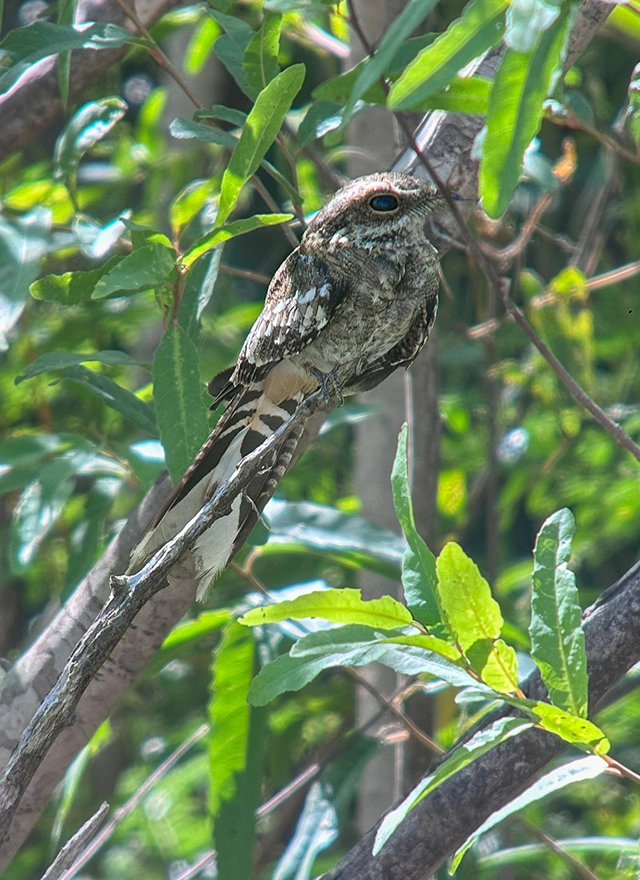
Today we head for primary and secondary “terra firme” with scrub and white sand forest. In Mitú it’s easy to visit two locations in one day as most of the places are near town. In the morning we will be enjoying the birds at Ceima Cachivera. Some of the birds to look for in the morning are Blackish Nightjar, White-bearded Hermit, Amazonian Motmot, Black Caracara, Lettered Aracari, Orange-cheeked and Black-headed Parrots, Magpie Tanager, and White-bearded and Golden-headed Manakins. Some searching in the scrub forest could provide views of Orinoco and Lafresnaye’s Piculets.
In the afternoon, after lunch in town, we will head back to the birds. This time we will visit another amazing spot called Mitú Cachivera, a trail that goes along a white sand Amazon forest and provides us chances for specialty birds such as Black Manakin, Scale-breasted Woodpecker, Citron-bellied Attila, Maroon-tailed Parakeet, Cherrie’s Antwren, Pompadour Cotinga, Gray-bellied Antbird, White-banded Swallow and more. All of this in only one day of birding!
CRUCE BOCATOMA AND URANIA
This morning we will be birding Cruce Bocatoma Trail where we expect to find White Hawk, Pavonine Quetzal, Yellow-billed Jacamar, Scarlet Macaw, Fasciated and Mouse-colored Antshrikes, Spot-backed Antwren, Dwarf Tyrant-Manakin, Helmeted Pygmy-Tyrant, Forest Elaenia, Black-headed, Spot-winged and Black-throated Antbirds, Amazonian Trogon, Black-capped Becard, Paradise Tanager plus many more.
In the afternoon we will explore Cerro Urania, a part of the Guianan Shield hills with different bird possibilities. Some of the birds here include Versicolored Emerald, Gray-breasted Sabrewing, Spotted Puffbird, Masked, Paradise and Opal-rumped Tanagers, Yellow-crowned Manakin, Gray-crowned Flycatcher, Green Oropendola and Red-shouldered Tanager.
CRUCE BOCATOMA TRAIL AND FLIGHT TO BOGOTÁ
Our last morning in Mitú will be spent on the Cruce Bocatoma Trail. Visiting here again can be as productive as the first time. In the afternoon we return to Bogotá.
FLIGHTS TO INIRIDA – CAÑO CULEBRA TRAIL
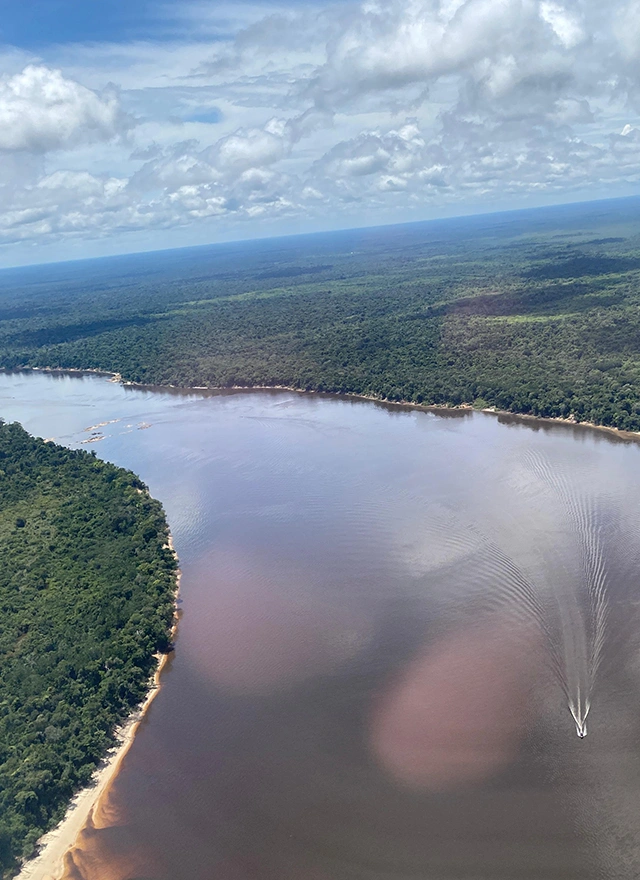
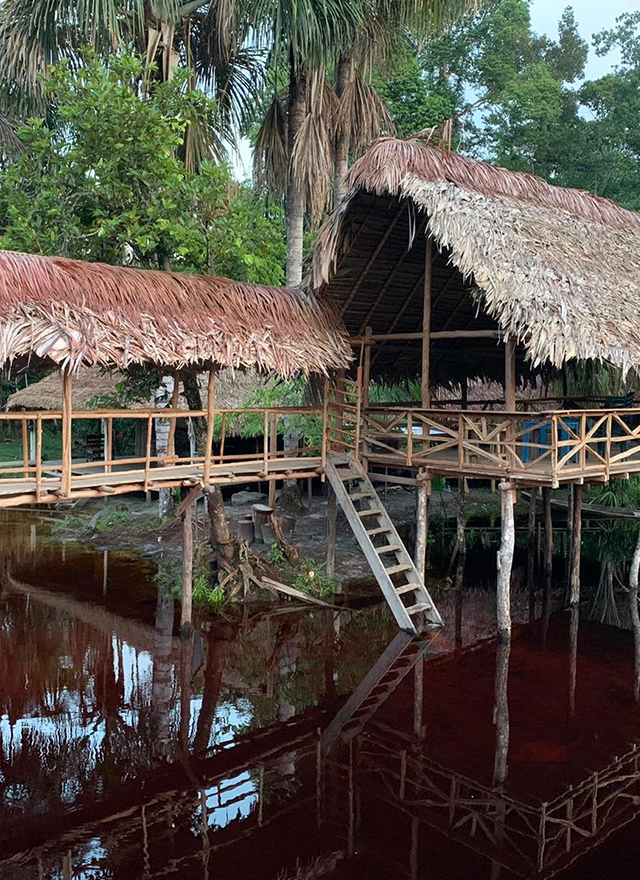
From Bogotá we fly to Iníirda and our new Amazon location which is part of the Orinoco River basin but with Amazon jungle habitat. The main forests here are varzea, riparian and white sand Amazon forest. Most locations are close to town, except for the Mavecure Hills, and the ground transportation will be in tuk-tuks (motorcycle vehicles of three wheels). At Inírida our lodging will be at Fuentes del Guainía. After lunch by mid afternoon we will go birdwatching at Caño Culebra where we expect to observe birds such as Brown-throated Parakeet, White-fringed Antwren, Black Manakin, White-browed Purpletuft, Fulvous-crested Tanager, Burnish-buff Tanager, Wedge-tailed Grassfinch, White-throated Toucan, Gilded Barbet and more. We will travel back to the lodge expecting more good birding the next day.
COMMUNITY OF SABANITAS AND CURVA DE LOS PEPES
Less than thirty minutes from Inírida we will find the Sabanitas Community, an indigenous location surrounded by impressive scrub and white sand forest which are crossed by trails and open areas. Notable birds here include Azure-naped Jay, Golden-spangled Piculet, Cobalt-winged Parakeet, Olivaceous Woodcreeper, Bare-necked Fruitcrow, Pompadour Cotinga, Yellow-crowned and Wire-tailed Manakins, Chestnut-crowned Becard, Rufous-tailed Flatbill, Opal-rumped and Paradise Tanagers, Short-billed Honeycreeper, Brown Jacamar, and Scale-breasted Woodpecker. We also have great chances to find one of the targets of the trip, the impressive Capuchinbird that is usually well spotted by our local indigenous guides.
After lunch in the community and according to our needs, we will stay to bird the area or move elsewhere. At the end of the day we will visit Curva de Los Pepes, a location along the road and a good place to look for Black-faced Tanager, White-naped Seedeater, Plain-crested Elaenia and Campina Thrush.
MATRACA TRAIL AND CAÑO CUNUBEN
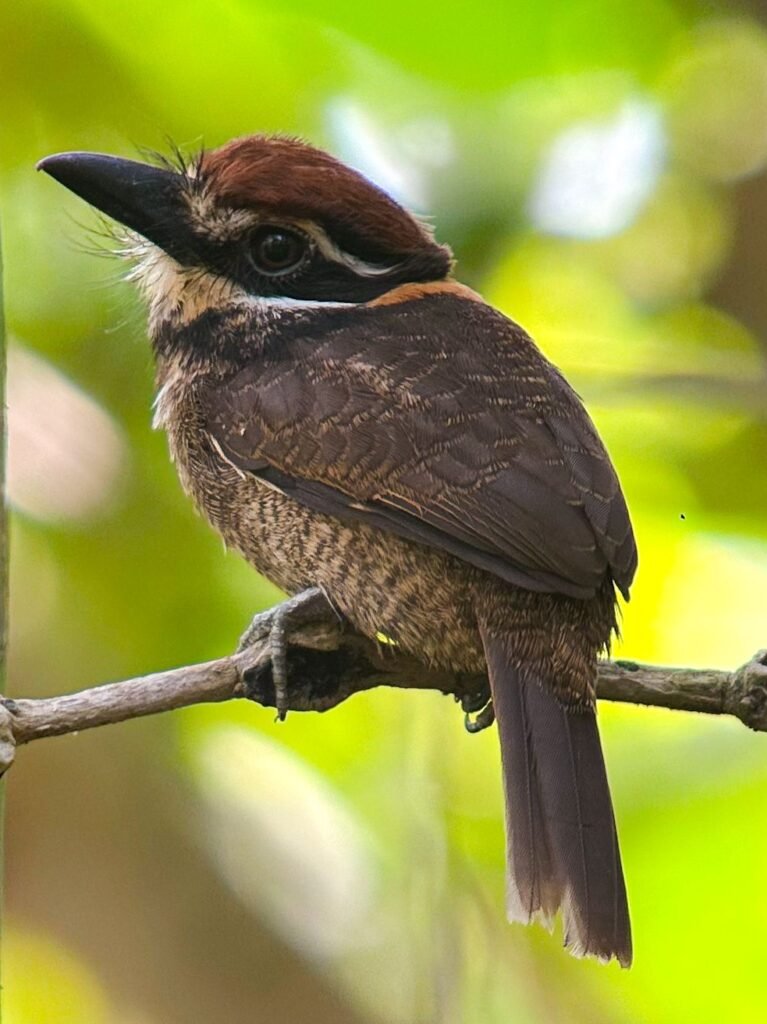
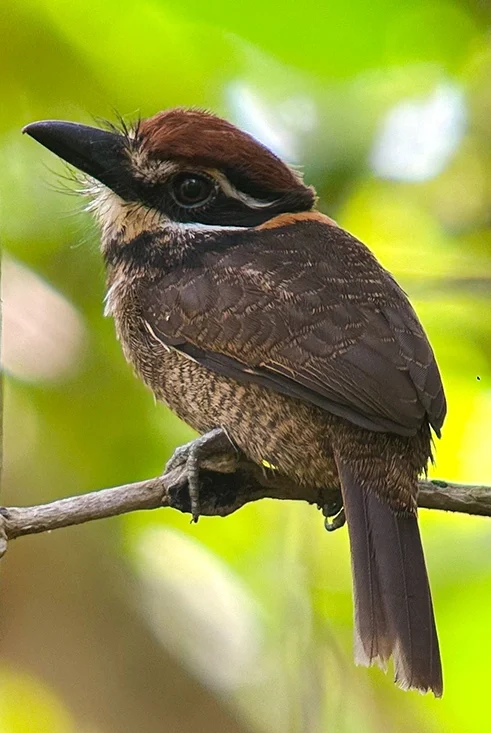
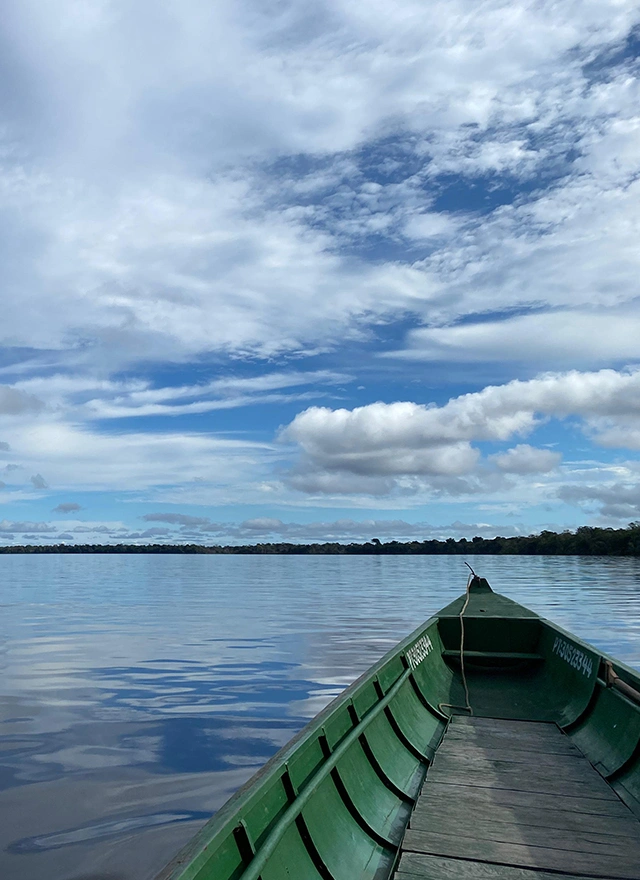
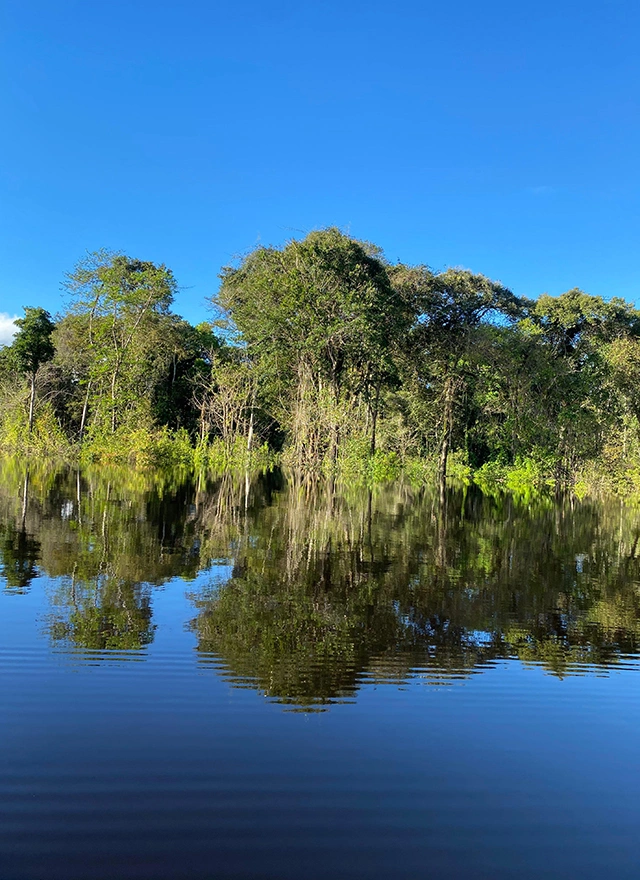
This morning we take a boat ride, to the varzea forest, a very special environment of the Amazon. There are several species exclusive to this unique ecosystem and those will be some of our targets: the Orinoco Softail, an endemic and rare species with a relatively small range, Varzea Schifornis, Rose-breasted Chat, Long-billed Woodcreeper, Velvet-fronted Grackle, Gray-headed Tanager, Screaming Piha, Wire-tailed Manakin, Silvered Antbird, Speckled Spinetail, Chestnut-capped Puffbird and Ringed Woodpecker, a bird considered one of the highlights of the trip.
We return to town for lunch, and then travel to a nearby spot called Caño Cunuben in the afternoon. Some of the targets this afternoon are Crane Hawk, Black-tailed Trogon, Orinoco Piculet, Channel-billed Toucan, Black-headed Parrot, Rusty-backed Spinetail, Golden-bellied Euphonia and more!
CAÑO LA ROMPIDA
This morning we will take a boat to get to the trails of La Rompida, and, if this is during the rainy period, we will bird by boat as well. The predominant ecosystem here is riparian which is located on the edges of the Guaviare River. In this home for wetland and riparian forest species, look for Green-tailed Goldenthroat, the enigmatic Hoatzin, Sungrebe, Slender-billed Kite, White-eared Jacamar, Orinoco Piculet, Black-crested Antshrike, Yellow-chinned Spinetail, Fuscous Flycatcher, Black-capped Donacobius, Green Oropendola, Solitary Black Cacique, Red-capped Cardinal, Hooded Tanager and White-eared Jacamar. Perhaps the main target of this location is the endemic and undescribed Inírida Antshrike, a species of “Thamnophilus” that was discovered only a few years ago.
YAPACANA TRAIL AND CAÑO VITINA
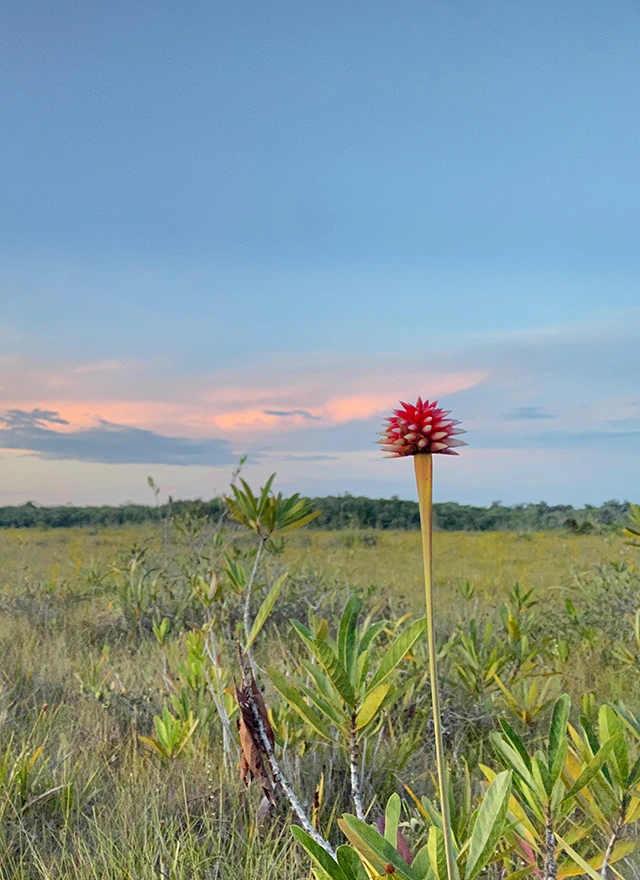
Just fifteen minutes from Inírida we reach one of the predominant environments in the area, the white sand forest. This time to Kenke also known as the Yapacana Trail. This name honors the Yapacana Antbird, our main target here and one of the most uncommon Orinoco endemics. Walking the trails we also can enjoy views of Green-tailed Goldenthroat that usually visits the Inírida flowers, Bronzy Jacamar, Amazonian Antshrike, Saffron-crested Tyrant-Manakin, Plumbeous Euphonia, Black-faced Tanager and the shy White-naped Seedeater.
In the afternoon we will visit a scenic and productive site named Caño Vitina, a small indigenous community with beautiful trails and birds. Some of which include American Pygmy Kingfisher, Spangled Cotinga, Yellow-crowned Manakin, and Brown-banded and Spotted Puffbirds.
CERROS DE MAVECURE & EL REMANSO COMMUNITY
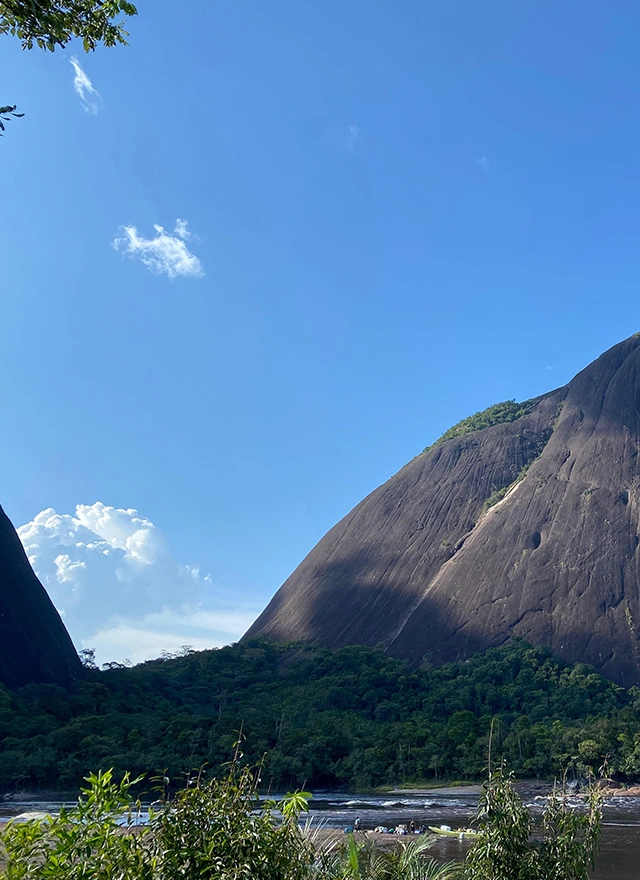
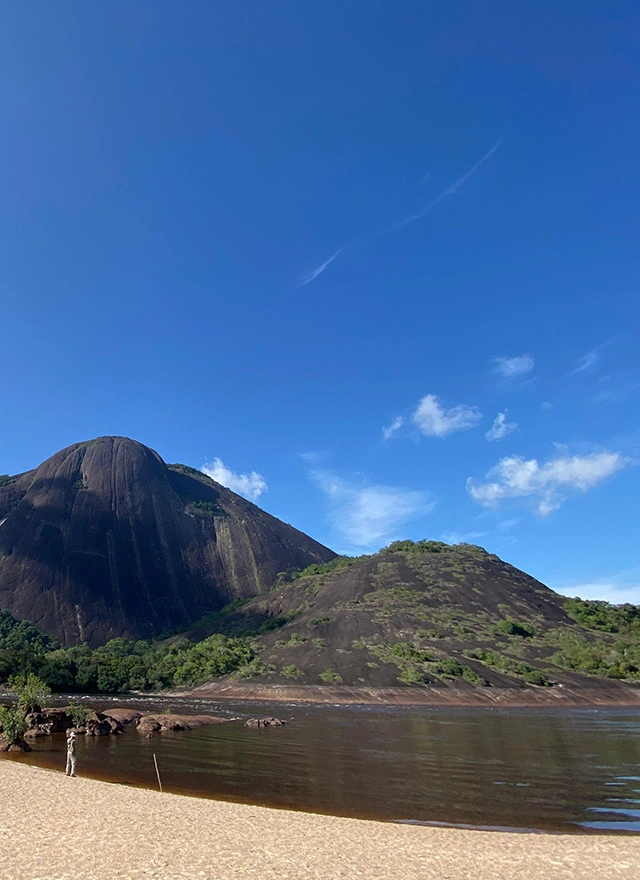
The Mavecure Hills are giant stone witnesses of Earth’s ancient history — weathered granite and quartzite monoliths from the Precambrian world (1.7–2 billion years old). Around 60–70 million years ago, these extremely hard rocks resisted erosion while the surrounding softer layers wore away leaving them to rise like sentinels above the Orinoco River basin.
A day here offers not only breathtaking scenery but also the chance to encounter unique birds. Among the highlights are the uncommon Orange-breasted Falcon, sometimes seen soaring around the hills, and Black-collared Swallows, often spotted hunting insects along the riverside.
CAÑO VITINA AND FLIGHTS TO BOGOTÁ
On the last morning we will go back to Caño Vitina to chase missing species and depart according to our flight time.
DEPARTURES
Departures from Bogotá international Airport El Dorado BOG.
- All lodging (double occupancy)
- All meals from dinner on day 1 to dinner on day 15
- All ground transportation from airport pick up to airport drop-off
- Local guides at some of the sites visited
- Entrances to birding places and indigenous communities
- Water
- Verification birding List
- Internal flights mentioned in the itinerary
- Tips & gratuities
- Alcoholic beverages
- International Airfare
- Laundry and room service
- Medical expenses not covered for healthcare insurance
- Items of personal nature
- Extensions of the trip due to circumstances out of our control
- Any item not mentioned as included
Gallery
Location