Magdalena Valley, Eastern and Central Andes
Birding in Colombia
Birding in Colombia
The tour focuses in the Magdalena Valley, Eastern and Central Andes endemics getting to spectacular locations ranging from the high-elevation páramos surrounding Colombia’s capital to the lower elevations of the Magdalena Valley. A variety of places that will allow us not only to see all the high bird diversity but also the scenery, culture and history of the country.
Tour Details
Itinerary
What´s Included
What´s Not Included
ARRIVALS
Arrivals to Bogotá El Dorado International Airport BOG.
OBSERVATORIO DE LOS ANDES AND BOSQUE GUAJIRA RESERVE
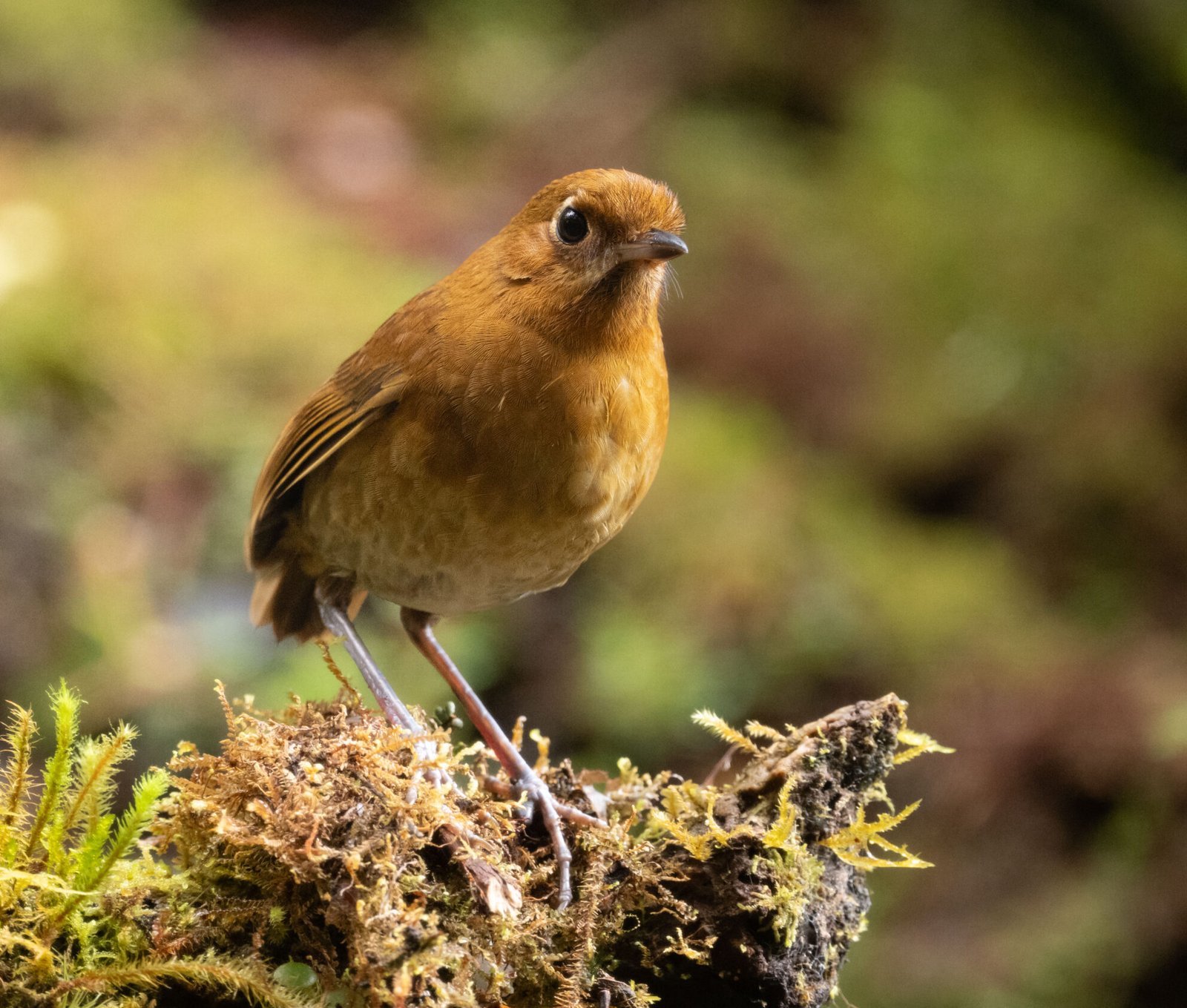
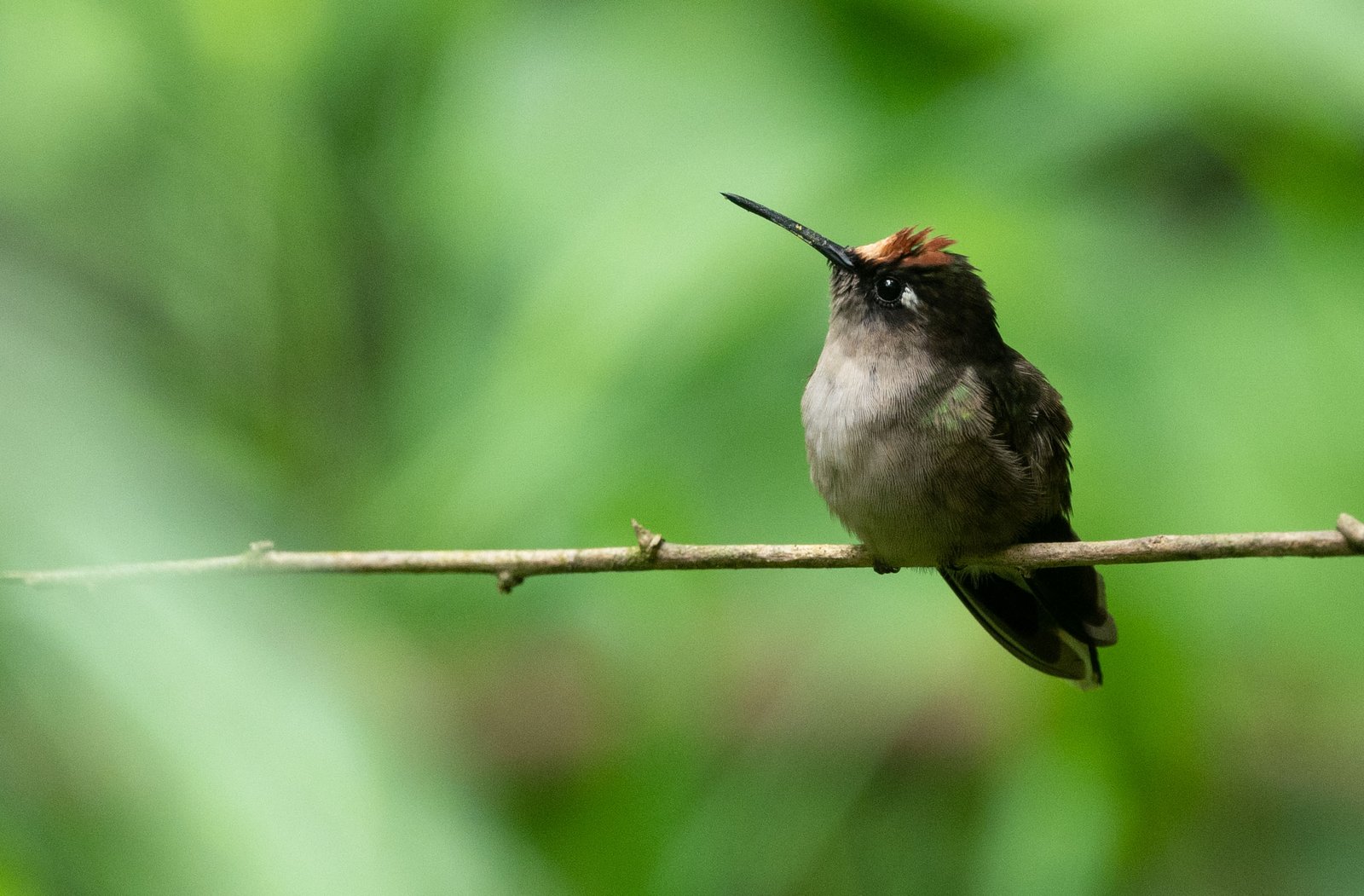
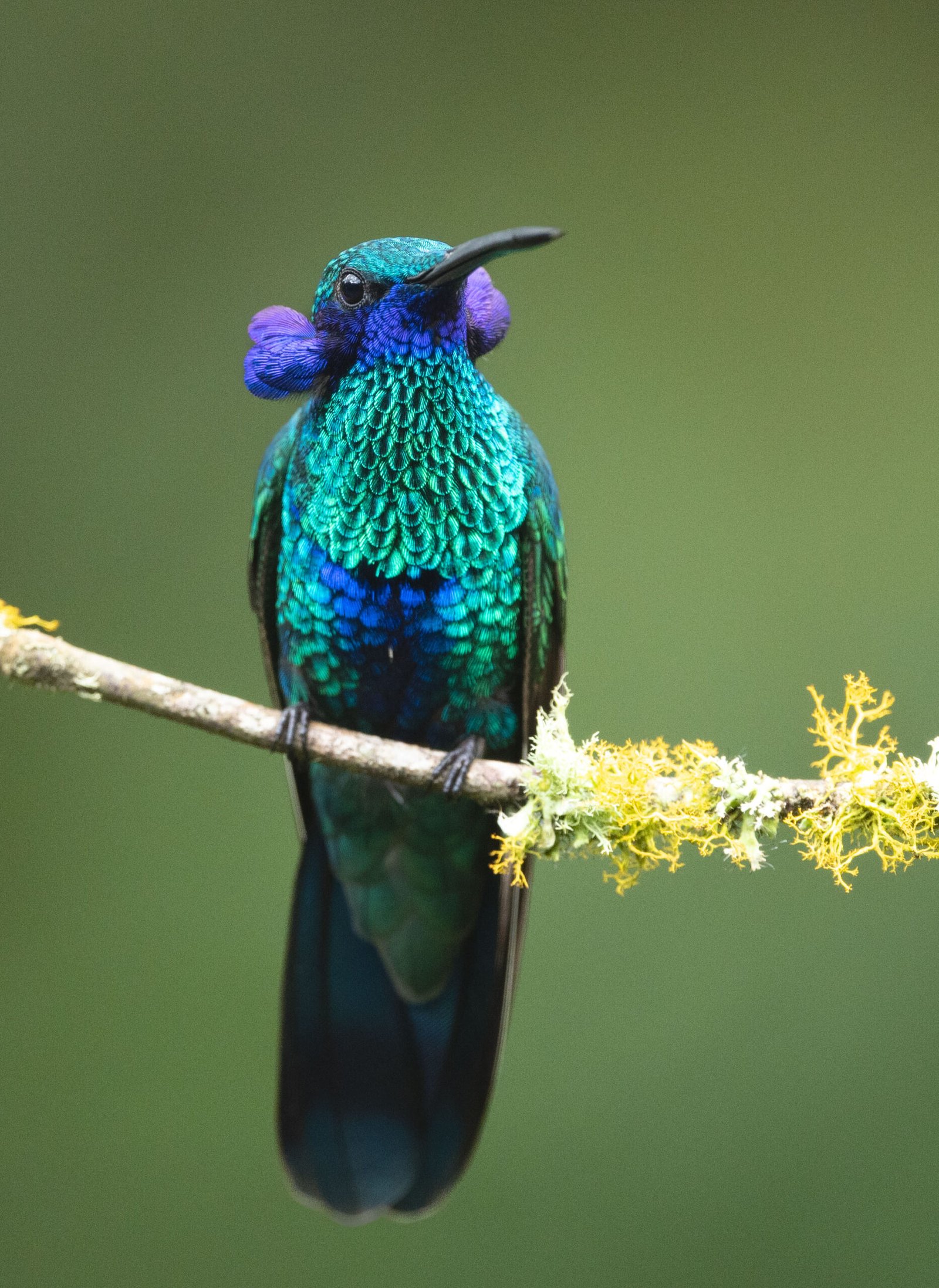
After an early morning transfer to the highlands surrounding the capital, we will reach the Observatorio de los Andes, located in a high-elevation páramo ecosystem. This extraordinary site allows close views of up to ten hummingbird species, adapted to cold Andean environments. Regular visitors include Glowing Puffleg, Tyrian Metaltail, and Blue-throated Starfrontlet as well as the spectacular Sword-billed Hummingbird, one of the most iconic and sought after species in the Andes, some other targets in the area include Golden-corwned Tanager, the endemics Plae-bellied Tapaculo, Muisca Antpitta and the special Brown-breasted Parakeet.
In the afternoon, we continue birding at Bosque Guajira Reserve, a patch of native forest that complements the highland experience with the chance to see some other species such as Longuemare’s Sunangel, Tourmaline Sunangel, Bronze-tailed Thornbill, Coppery-bellied Puffleg, Shining Sunbeam, Bronzy Inca, Collared Inca, Mountain Velvetbreast, Pearled Treerunner, Blue-and-black Tanager, Black-billed Mountain Toucan and others.
DAY 3 SUMAPAZ NATIONAL PARK AND CHICAQUE NATURAL RESERVE
We’ll make an early start to explore the highlands above Bogotá, visiting Sumapaz Páramo, the largest páramo ecosystem in the world. Some of our main targets here include the endemic Boyacá Antpitta, Apolinar’s Wren, Green-bearded Helmetcrest, and Bogotá Rail, along with other sought-after species such as Many-striped Canastero, Andean Tit-Spinetail, Rufous-browed Conebill, Chestnut-winged Cinclodes, Andean Teal, Andean Duck, Red-rumped Bush-Tyrant, and Plumbeous Sierra Finch.
From Sumapaz, we’ll head to Chicaque Natural Reserve, an important nature and environmental education center for the local community. Our main targets here will be the near-endemic Moustached Brushfinch and Golden-bellied Starfrontlet. Other species we may encounter include Gray-breasted Wood-Wren, Collared Inca, Bronzy Inca, Mountain Elaenia, Black-crested Warbler, and a variety of tanagers, including Blue-and-black, Beryl-spangled, and Metallic-green Tanagers.
FROM BOGOTÁ TO THE FUERTES’S PARROT PROAVES RESERVE
Today we travel to a very remote area in the highlands of the central Andes and rural Colombia. Although it is a long day of driving, we will stop and bird along the way.
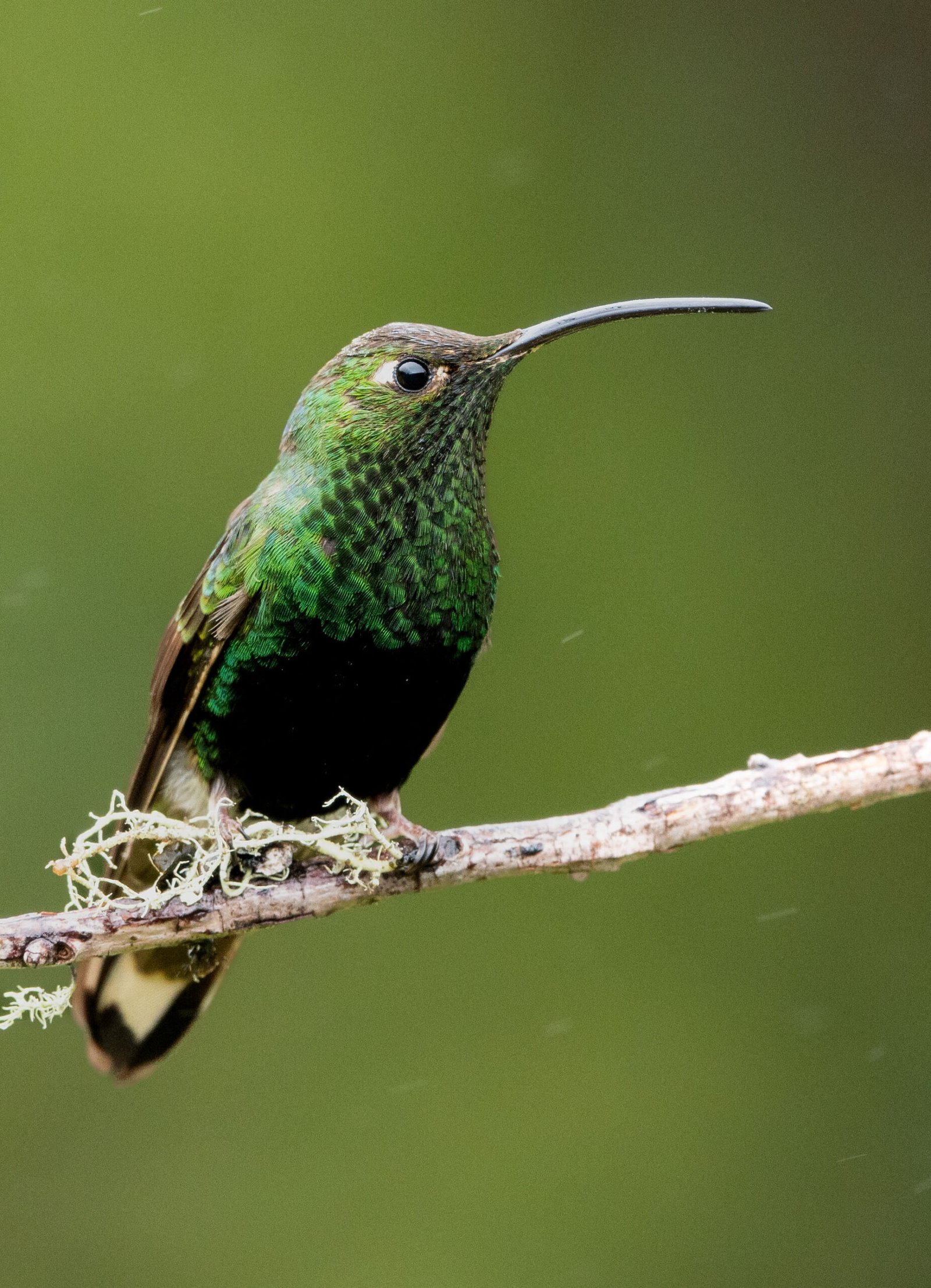
The first stop will be at Mana Dulce where our targets include White-eared Conebill, Shining-green Hummingbird, Lance-tailed Manakin, White-bellied Antbird, the endemic Velvet-fronted Euphonia and the local Pileated Finch.
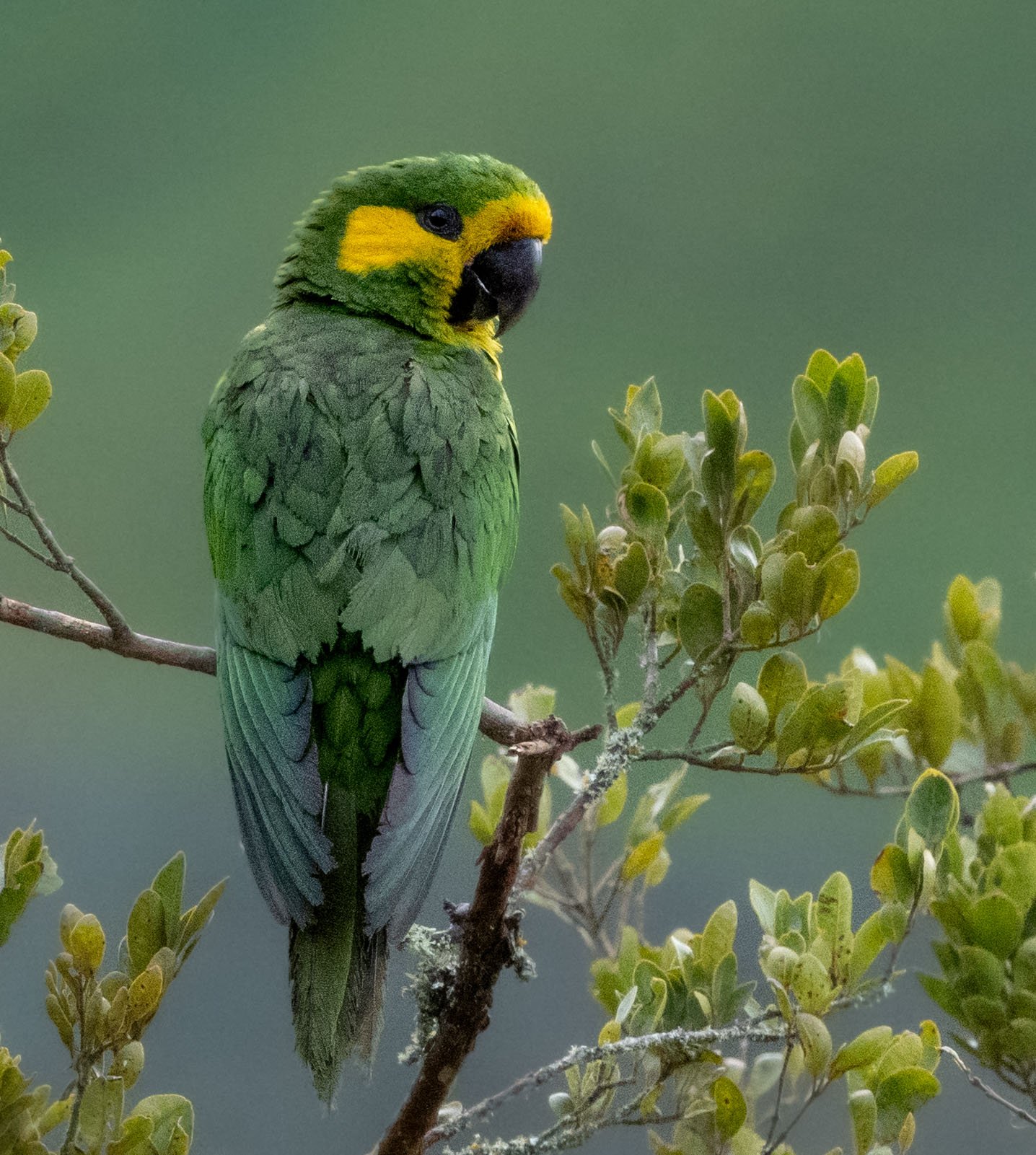
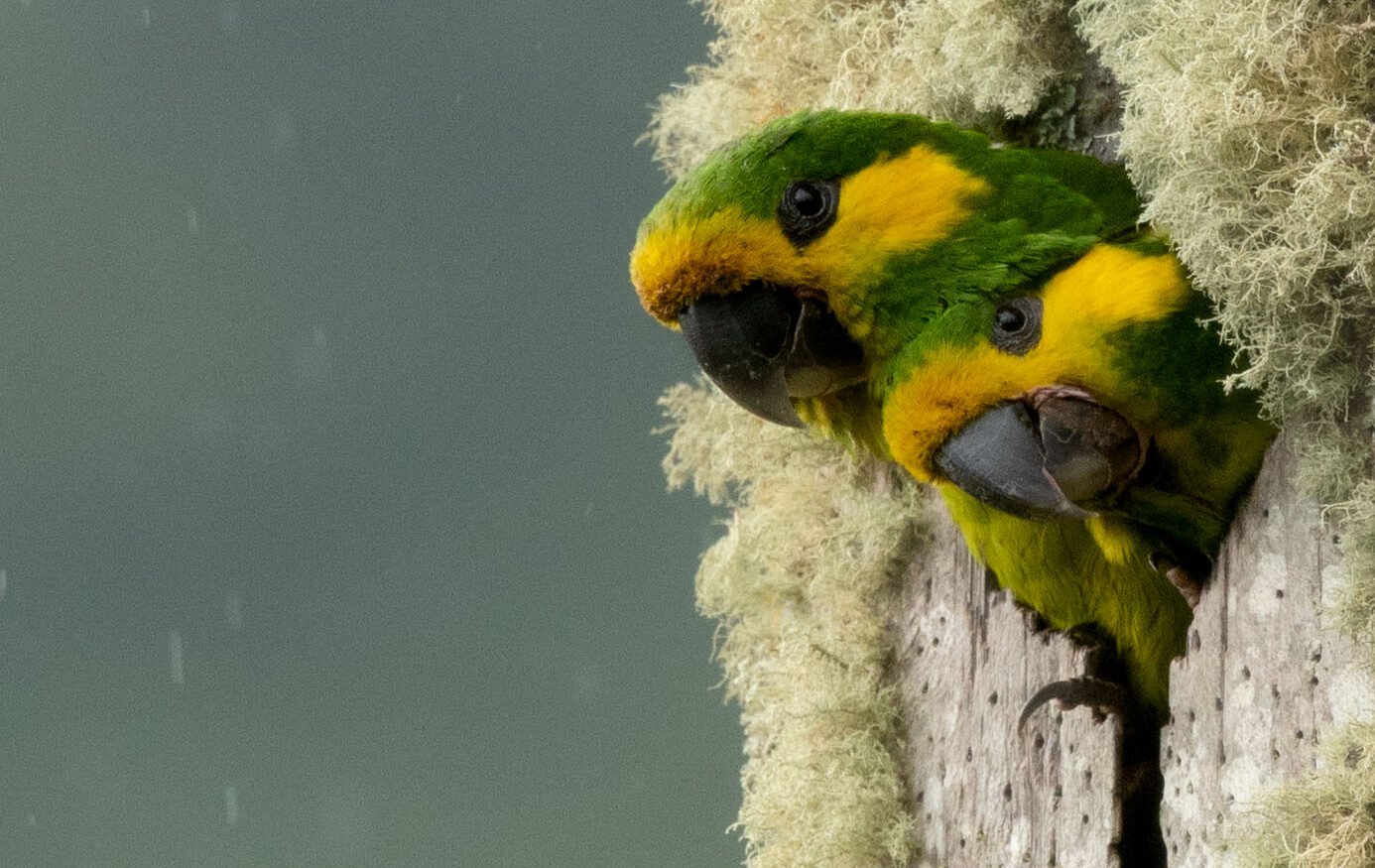
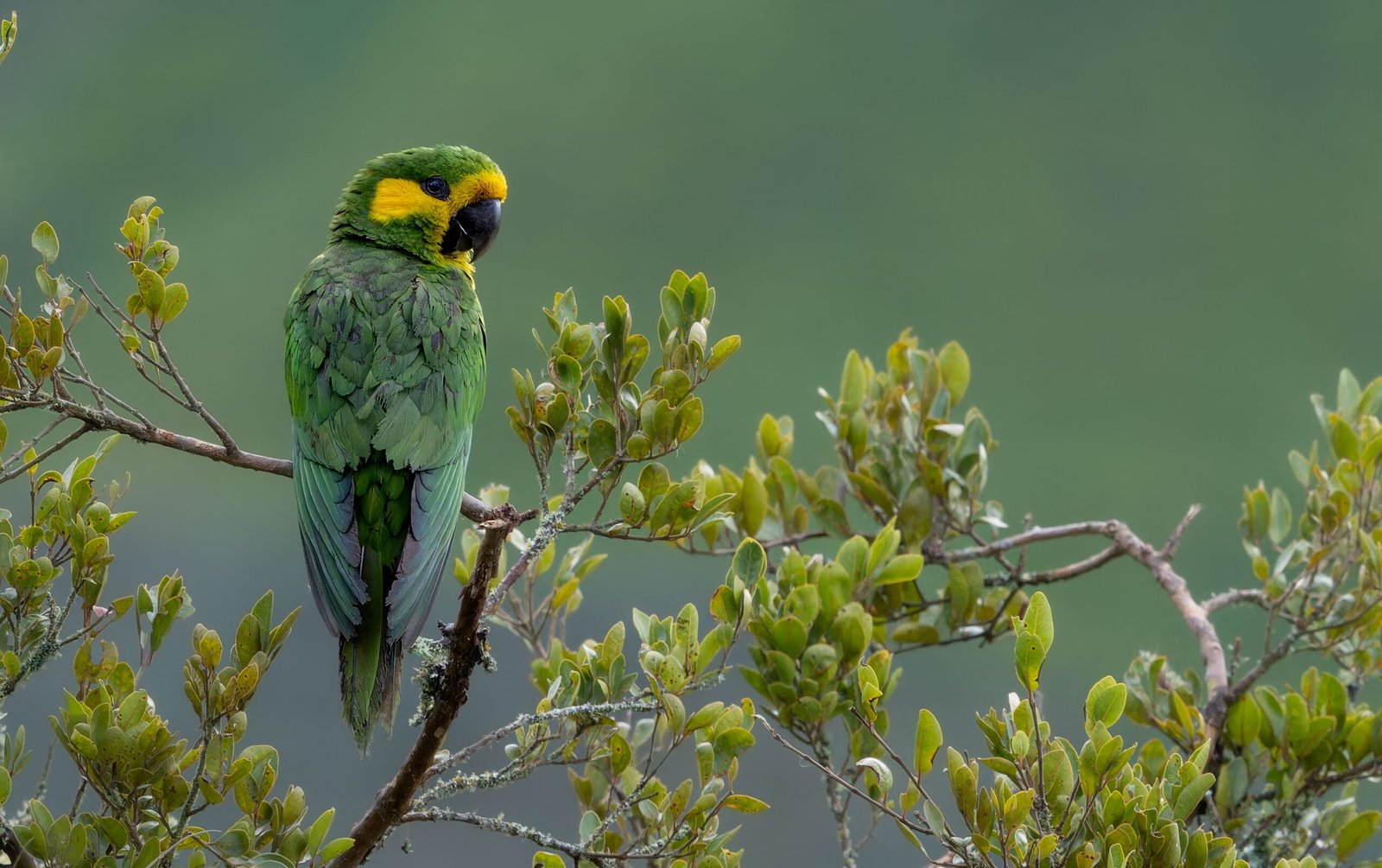
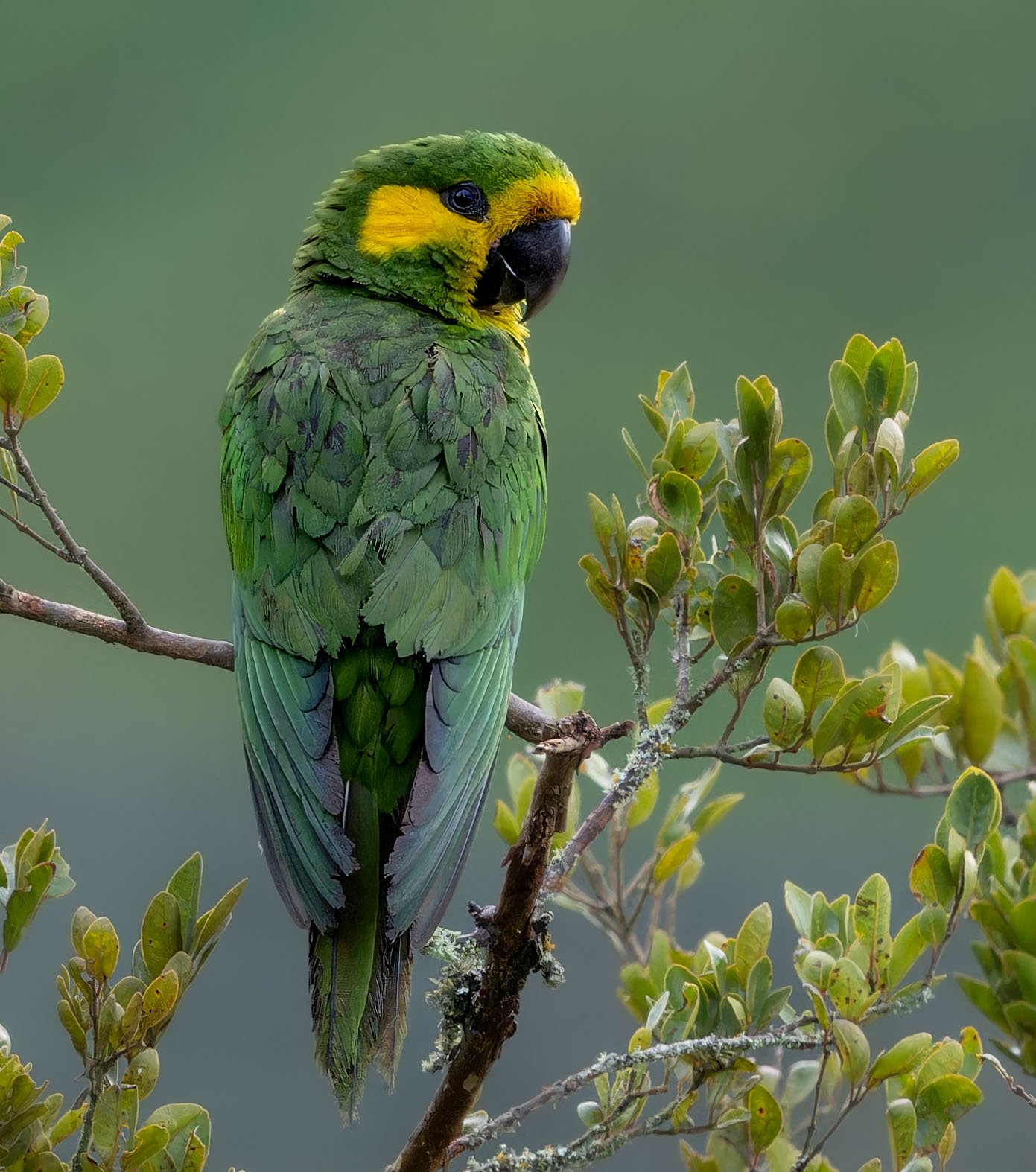
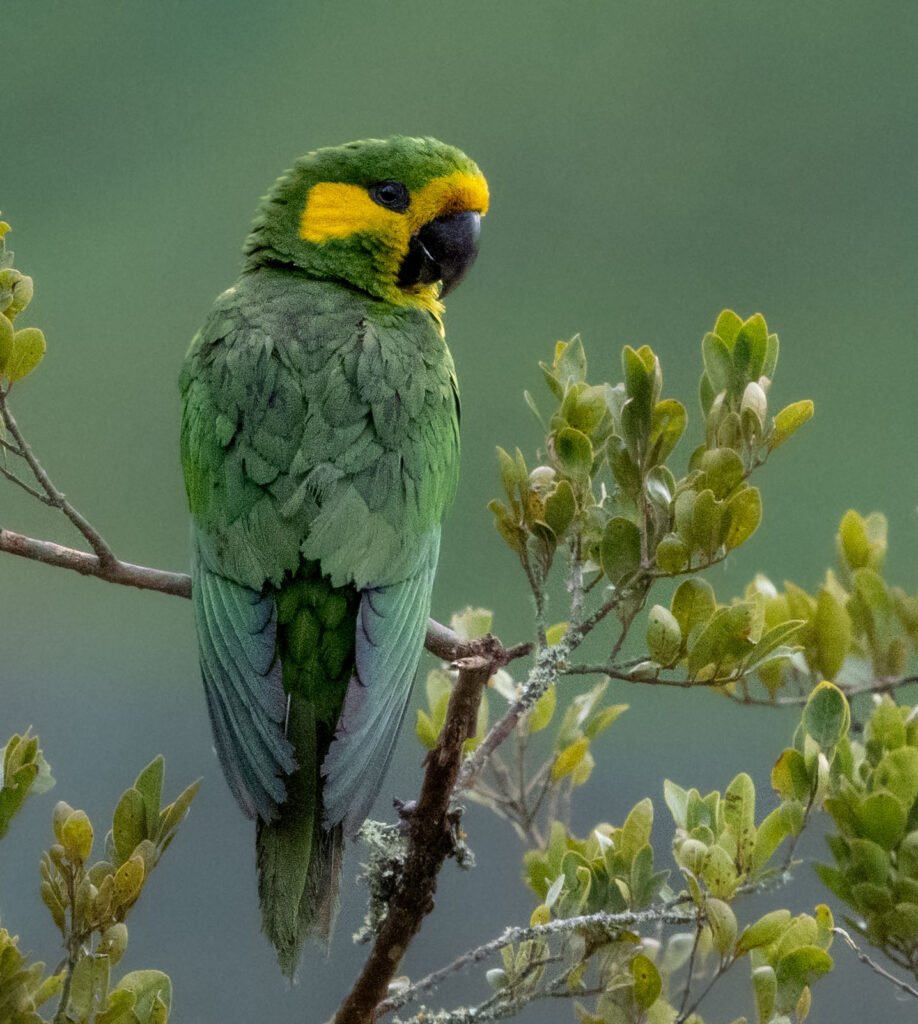
To reach the Fuertes’s Parrot Reserve and lodge we will transfer to a 4×4 vehicle. Along the way, we’ll bird and make a special stop to see the endemic Yellow-eared Parrot. The lodge is located at 11,000 feet above sea level, and this area is home to the critically endangered Fuertes’s (Indigo-winged) Parrot.
FUERTES’S PARROT RESERVE AND ANAIME
Our focus today is finding the endemic and critically endangered Fuertes’s Parrot. Other targets in the area include Undulated Antpitta, Black-headed Hemispingus, Buff-winged Starfrontlet, Black-chested Mountain Tanager and Black-thighed Puffleg.
In the afternoon as we return to the lower area, the targets include Masked Saltator, Agile Tit-Tyrant, Dusky Piha, the endemic Yellow-eared Parrot and Yellow-headed Brushfinch. We may also see Black-billed Mountain-Toucan and Golden-plumed Parakeet. In the evening we will try for Mottled Owl.
RETORNO DEL COLIBRÍ AND DRIVE TO VICTORIA
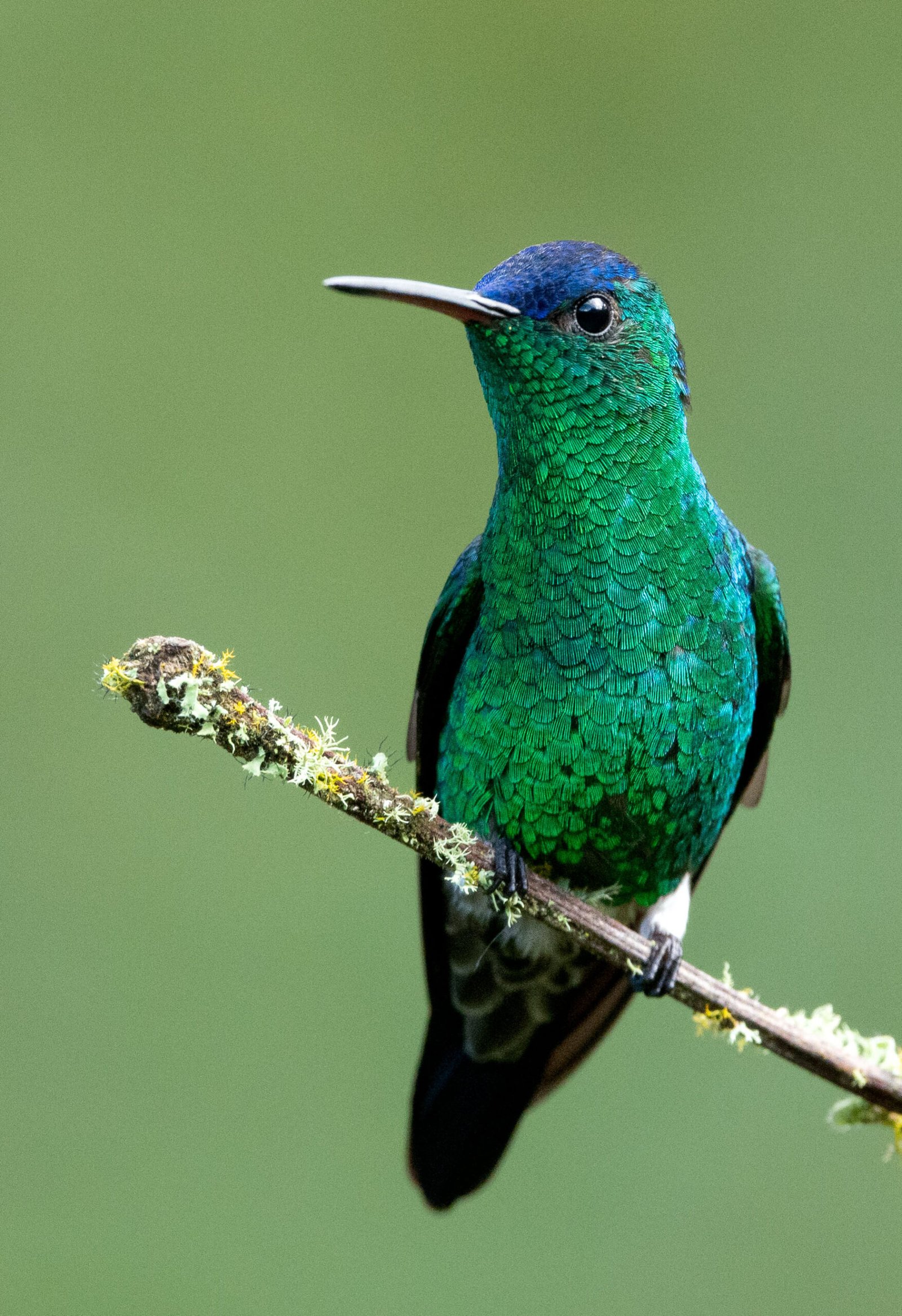
In the morning we will look for any missing species and then visit El Retorno del Colibri whose feeders and garden are visited by endemic birds such as Tolima Blossomcrown, Tolima Dove, Indigo-capped Hummingbird and Apical Flycatcher. Black-billed Peppershrike, White-tipped Sicklebill, Bay-headed Tanager, and Red-billed Emerald may also visit the feeders and the surrounding forest.
In the afternoon we drive to our next accommodation, where there is also good birding. Some of the birds we can observe are Straight-billed Woodcreeper, Rufous-tailed Jacamar, Rufous Motmot, Plain-colored Tanager, Band-backed Wren, Fulvous-vented Euphonia, Black-chested Jay and Swallow Tanager.
BELLAVISTA RESERVE AND LA CAMELIA
The Chocó bioregion borders the northern central Andes and connects with the Mid-Magdalena Valley ecosystem, making this an area of high endemic diversity. At Bella Vista, Las Camelias, Eco-Hotel Balmoral, El Secreto del Bosque and the Rio Claro Reserve we will search for these area specialties.
The Bellavista Reserve is an IBA (Important Bird Area) that preserves the biodiversity of the Mid-Magdalena Chocó forest and is home for uncommon and endemic species. We will look for the endemic White-mantled Barbet, Channel-billed Toucan, Black-faced Dacnis, White-bearded Manakin, Striolated Manakin, White-bibbed Manakin, Black-bellied Wren and more.
Another place where the owners are making efforts to protect the forest and the diversity is Finca La Camelia, where we will look for the endemic Beautiful Woodpecker, and also for Pale-bellied Hermit, Purple-crowned Fairy, Violet-bellied Hummingbird, Olivaceous Piculet, Thick-billed Seed-Finch, White-bellied Antbird, Black-bellied Wren and others.
LA CHARCA DE GUARINOCITO AND DRIVE TO RÍO CLARO
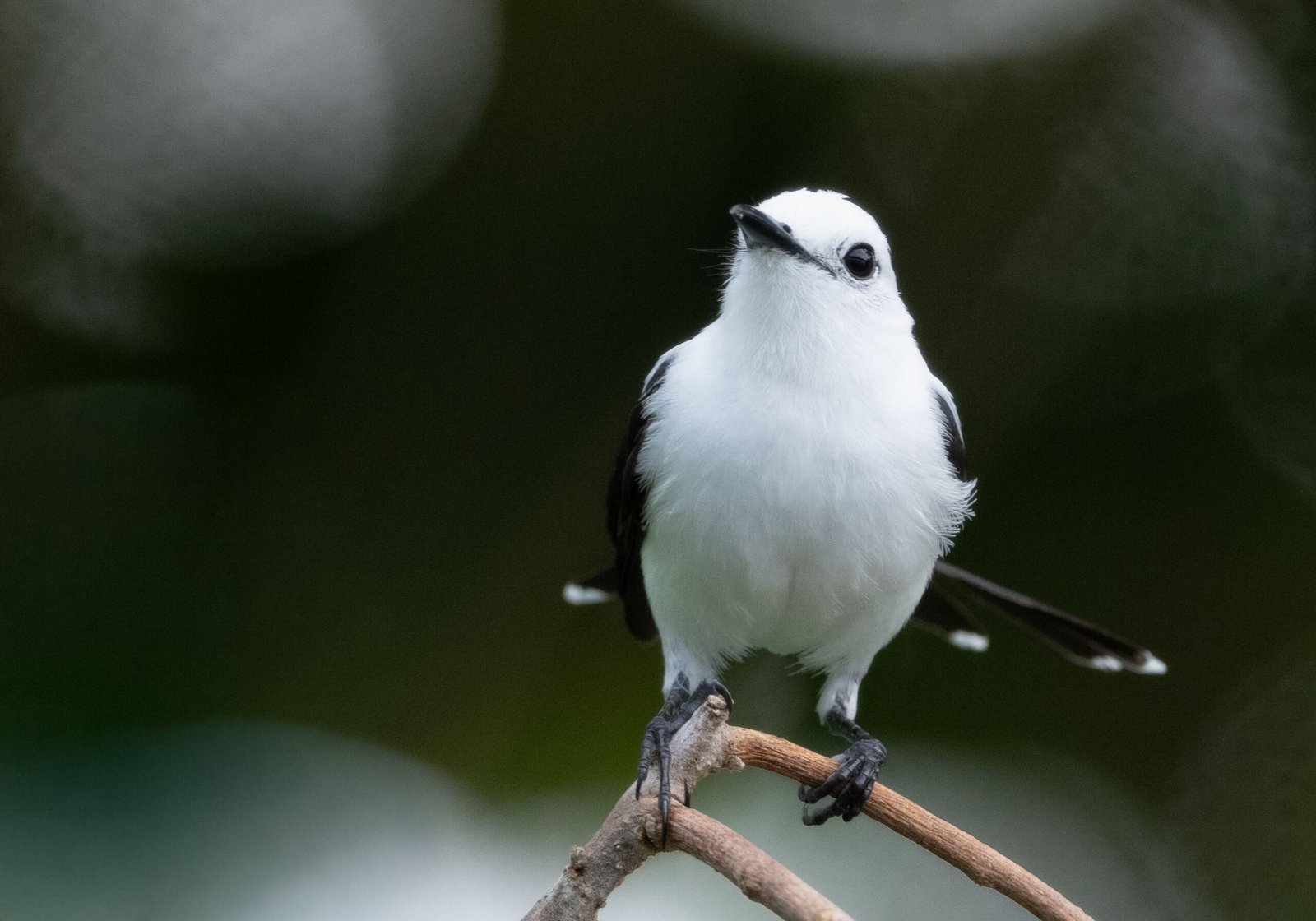
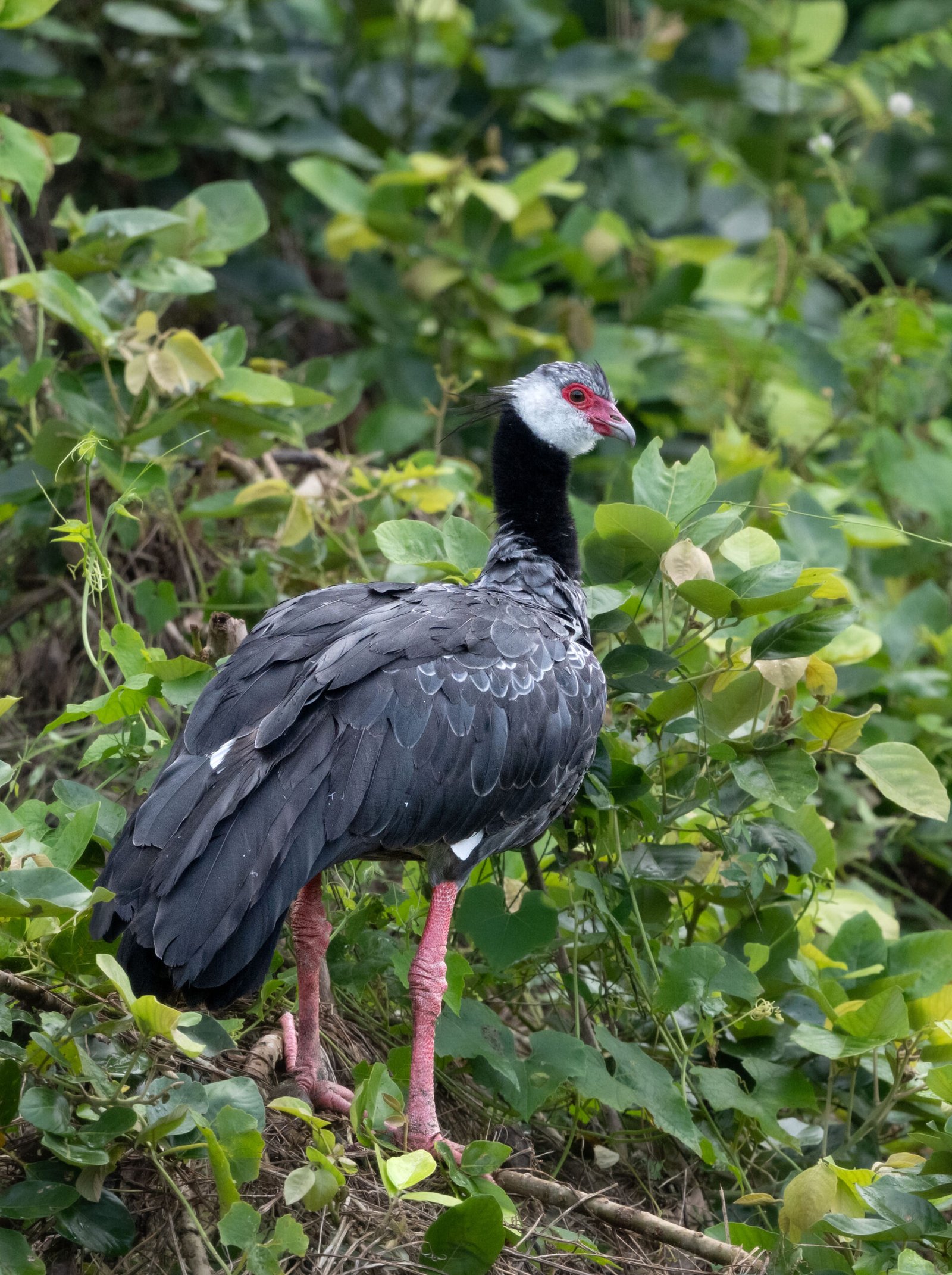
La Charca de Guarinocito is an oxbow lake of the Magdalena River. A morning in this beautiful place could yield Barred Puffbird, the endemic Velvet-fronted Euphonia, Pied Water-Tyrant, White-headed Marsh-Tyrant, Large-billed Tern, Black-collared Hawk, Caribbean Hornero, Boat-billed Flycatcher, the near endemic Northern Screamer, Yellow-hooded Blackbird, Lesser Kiskadee, Lesser Yellow-headed Vulture, and more.
After la Charca de Guarinocito we drive to Los Colores Hotel which is located close to the sites we will visit in the following days.
RÍO CLARO RESERVE
A fifteen minute drive takes us to the Rio Claro Reserve. This private preserve protects one of the most beautiful places in the region, a marble canyon crossed by the Rio Claro River and the Chocó jungle making this a birding paradise. Walking the road and trails we will look for Antioquia Bristle-Tyrant, Magdalena Antbird, Sooty Ant-Tanager and White-mantled Barbet, endemics of the area. Other possibilities are Blue-chested Emerald, Band-tailed Barbthroat, Cinnamon Woodpecker, Bare-crowned Antbird, Russet-winged Schiffornis, Gray-cheeked Nunlet, Yellow-throated Toucan, Black-capped Pygmy-Tyrant, Western Olivaceous Flatbill, Dusky-faced Tanager, and White-tailed and Gartered Trogons.
At the end of the day we will return to Rio Claro Reserve and hike about twenty minutes to the Oilbird cave where we will wait until the dark when hundreds of Oilbirds emerge to feed during the night.
RÍO CLARO RESERVE AND DRIVE TO BOGOTÁ
A morning to look for missing species in the Río Claro Reserve, Lunch on the road and drive to Bogotá in the afternoon.
DEPARTURES
Departures from Bogotá El Dorado International Airport BOG.
- All lodging (double occupancy)
- All meals from dinner on day 1 to breakfast on day 11
- All ground transportation from airport pick up to airport drop-off
- Local guides at some of the sites visited
- Entrances to birding places and indigenous communities
- Verification birding List
- Water
- Tips & gratuities
- Alcoholic beverages
- International Airfare
- Laundry and room service
- Medical expenses not covered for healthcare insurance
- Items of personal nature
- Extensions of the trip due to circumstances out of our control
- Any item not mentioned as included