Inírida: Biridng the Orinoco River Basin
Birding in Colombia
Group Size Small groups 8
Duration 10 Days
Birding in Colombia
Tour Details
Itinerary
Departures and Tour Prices
What´s Included
What´s Not Included
ARRIVALS
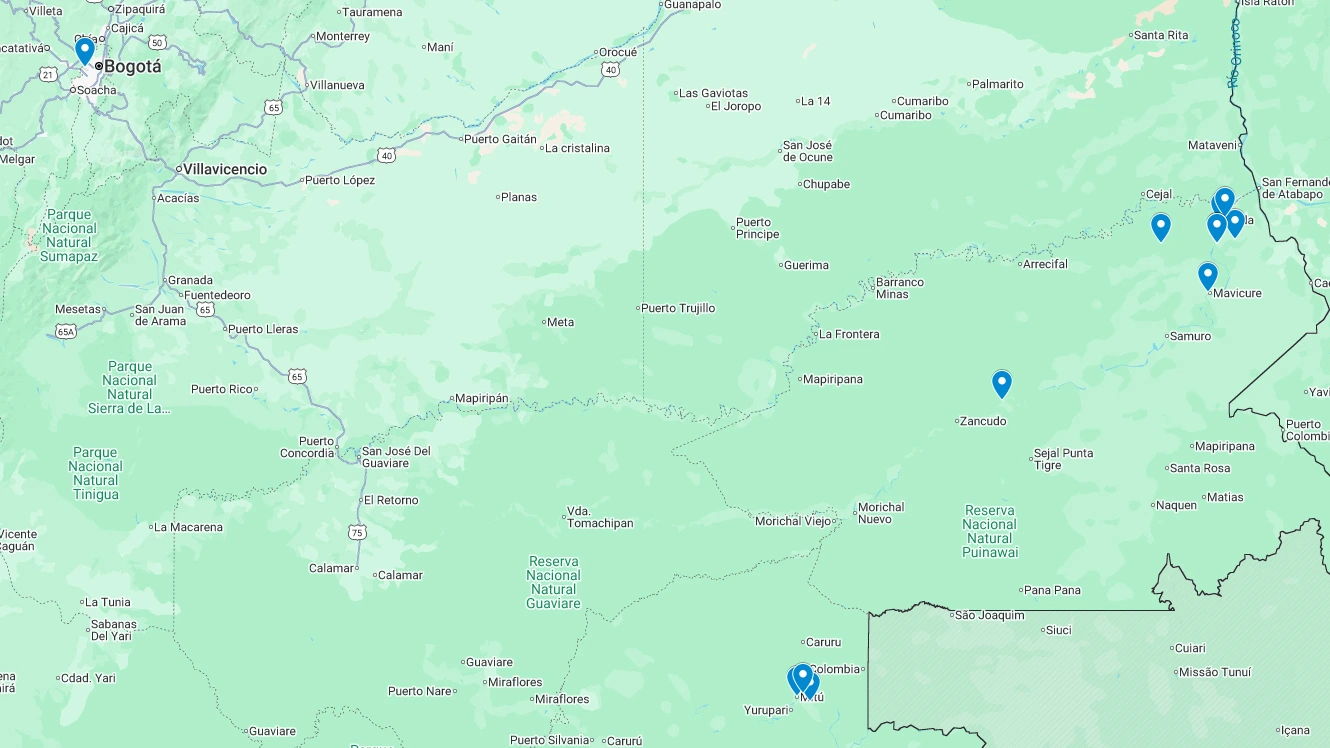
Arrivals to Bogotá El Dorado International Airport BOG. The capital of the country is the easiest way to connect to any place in the Amazon of Colombia; this time we will be flying from Bogotá to Inírida and back.
FLIGHT TO INÍRIDA AND CANO CULEBRA TRAIL
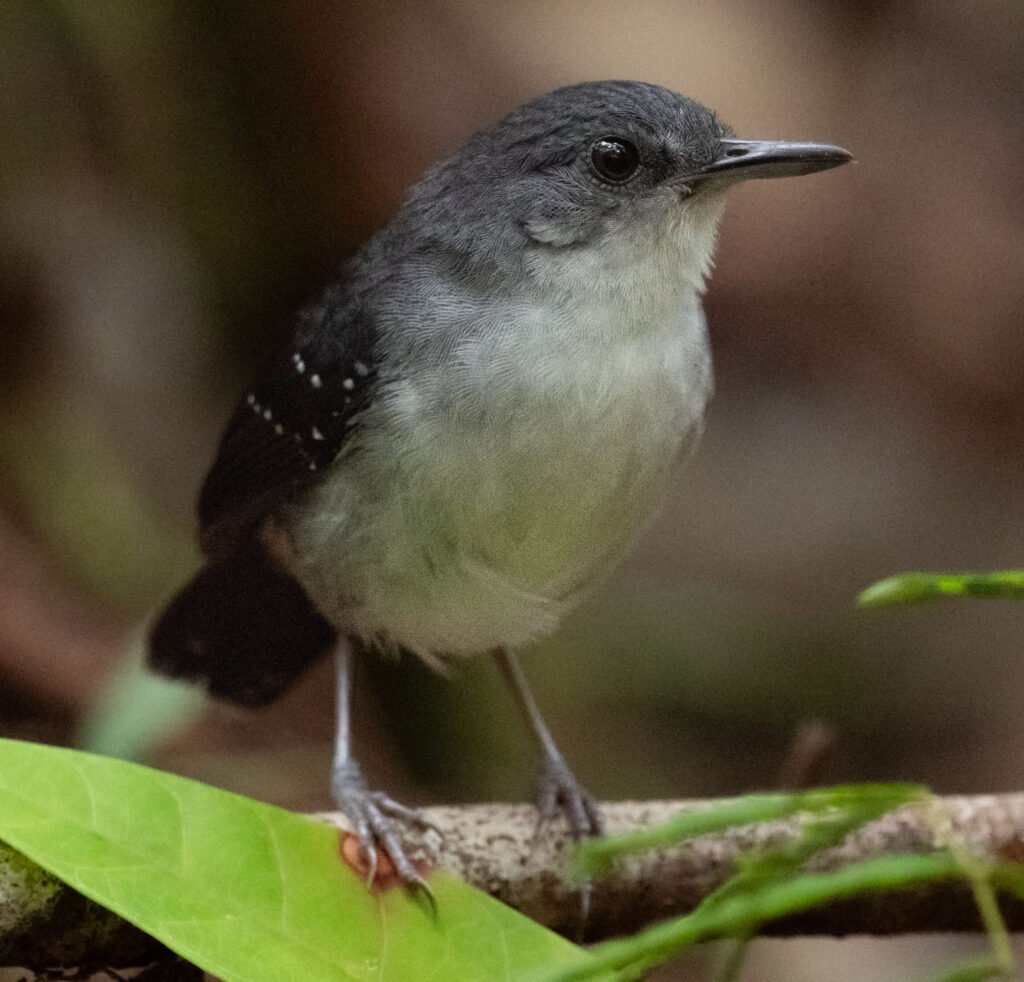
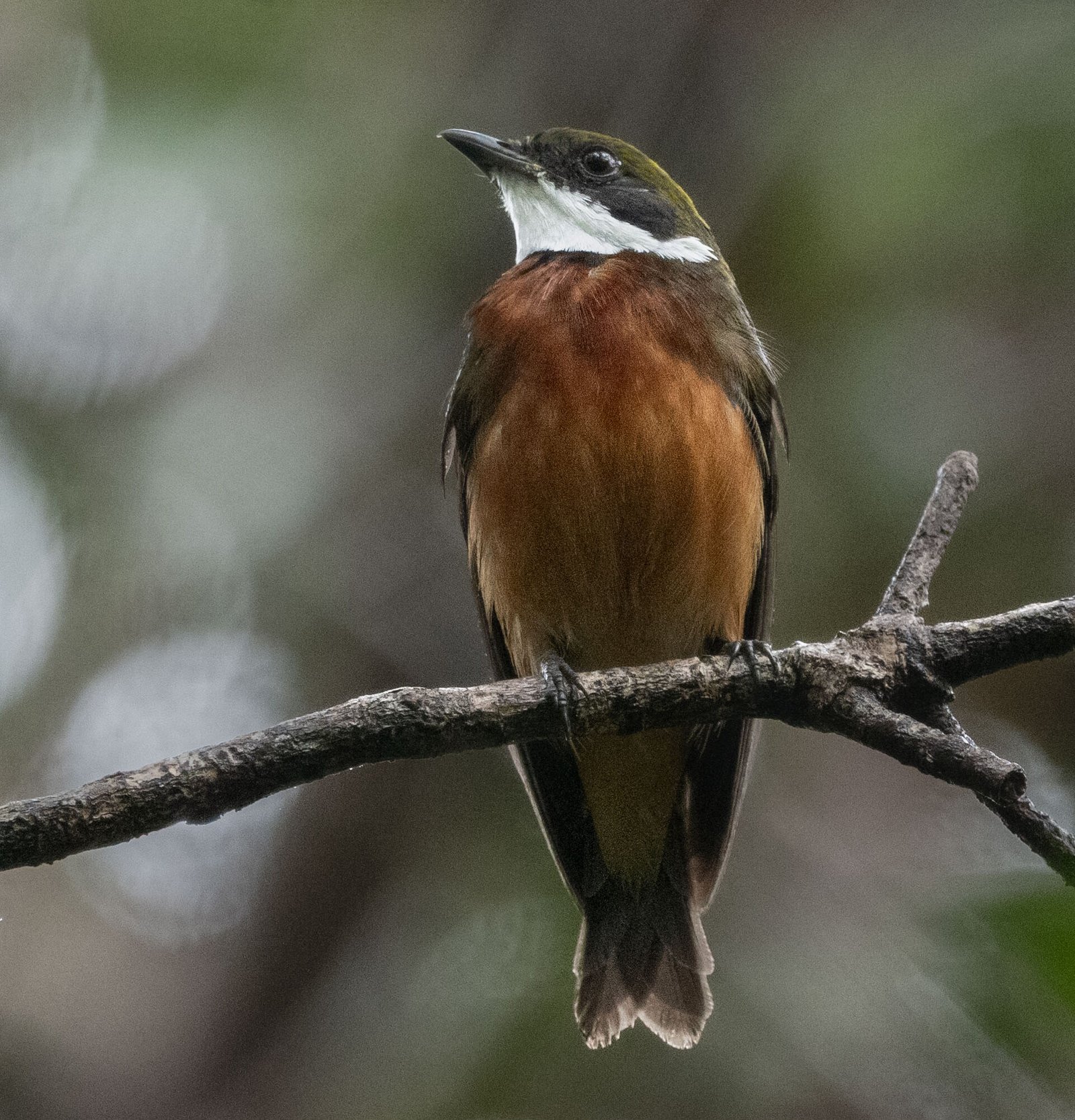
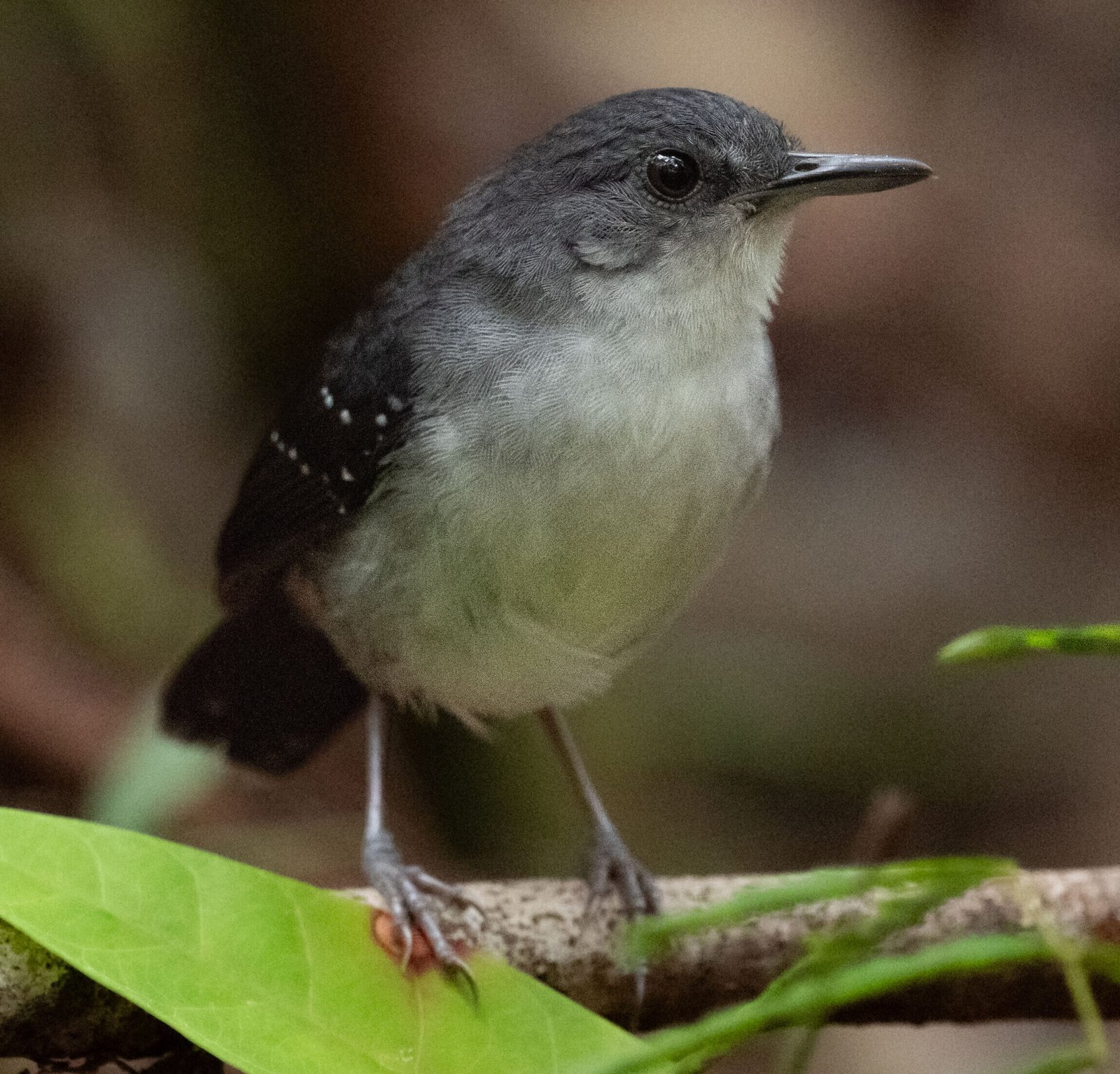
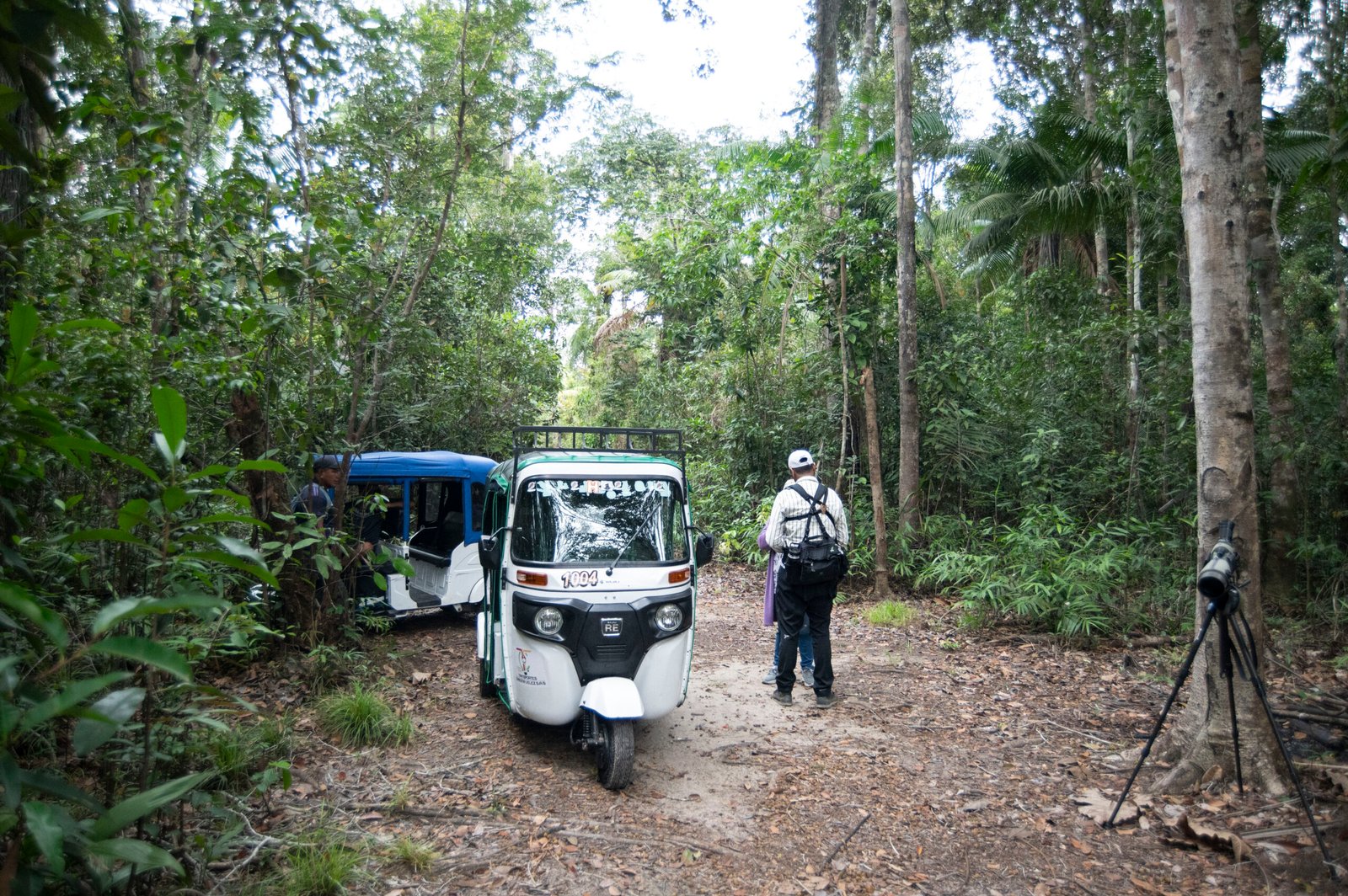
It is an hour and twenty minute flight to Inírida, our location in the Amazon for the following seven nights. This area is part of the Orinoco River basin and includes varzea, riparian and white sand Amazon forest habitats. Most locations are close to town except for the Mavecure Hills. Our ground transportation will be in tuk-tuks (motorcycle vehicles of three wheels). At Inírida we will spend all seven nights at Fuente del Guainia. In the afternoon we go birdwatching at Caño Culebra where we expect to observe birds such as Brown-throated Parakeet, White-fringed Antwren, Black Manakin, White-browed Purpletuft, Fulvous-crested Tanager, Burnish-buff Tanager, Wedge-tailed Grassfinch, White-throated Toucan, Gilded Barbet and more.
We will travel back to the lodge anticipating more good birding the next day.
COMUNIDAD SABANITAS
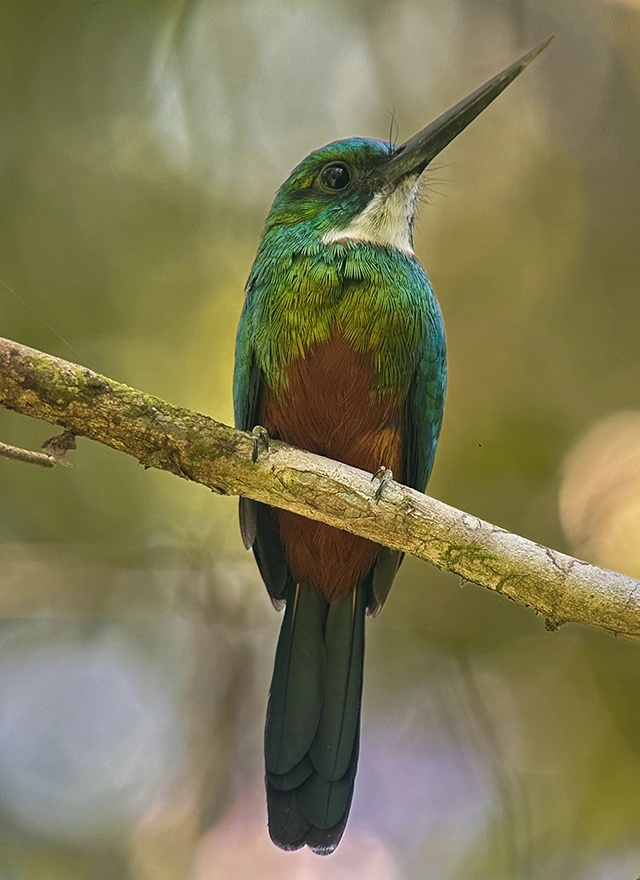
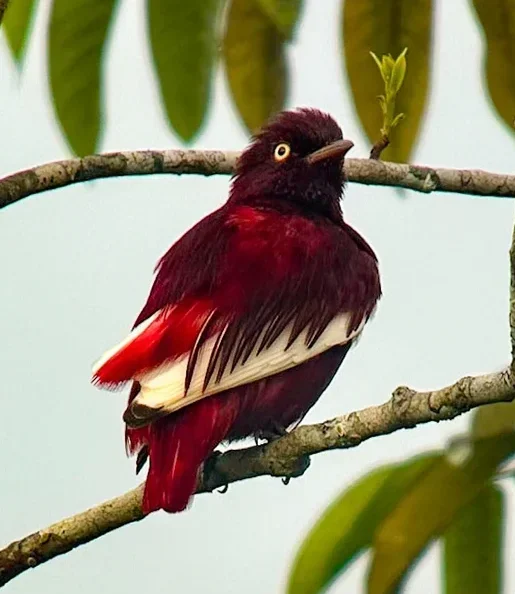
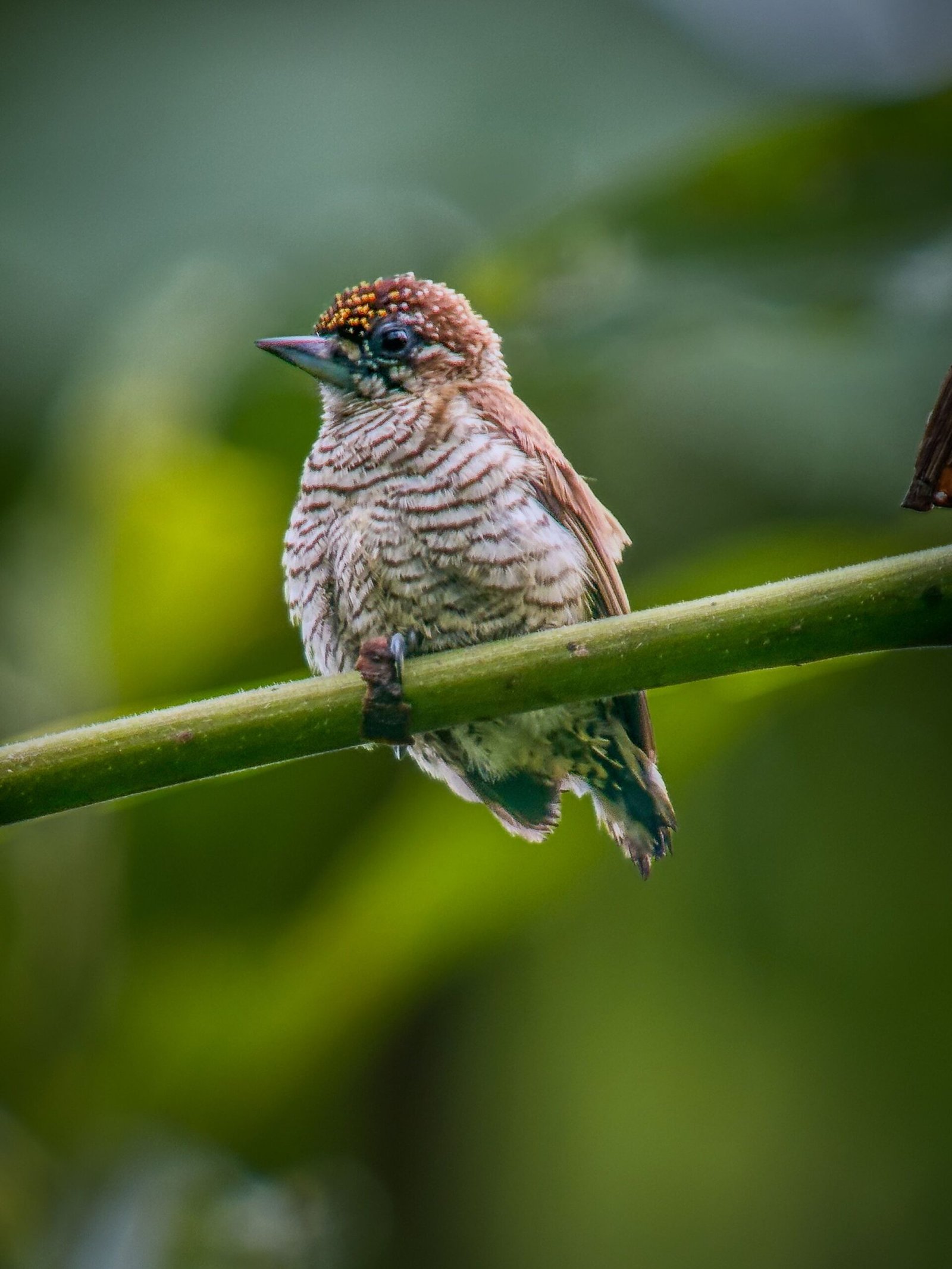
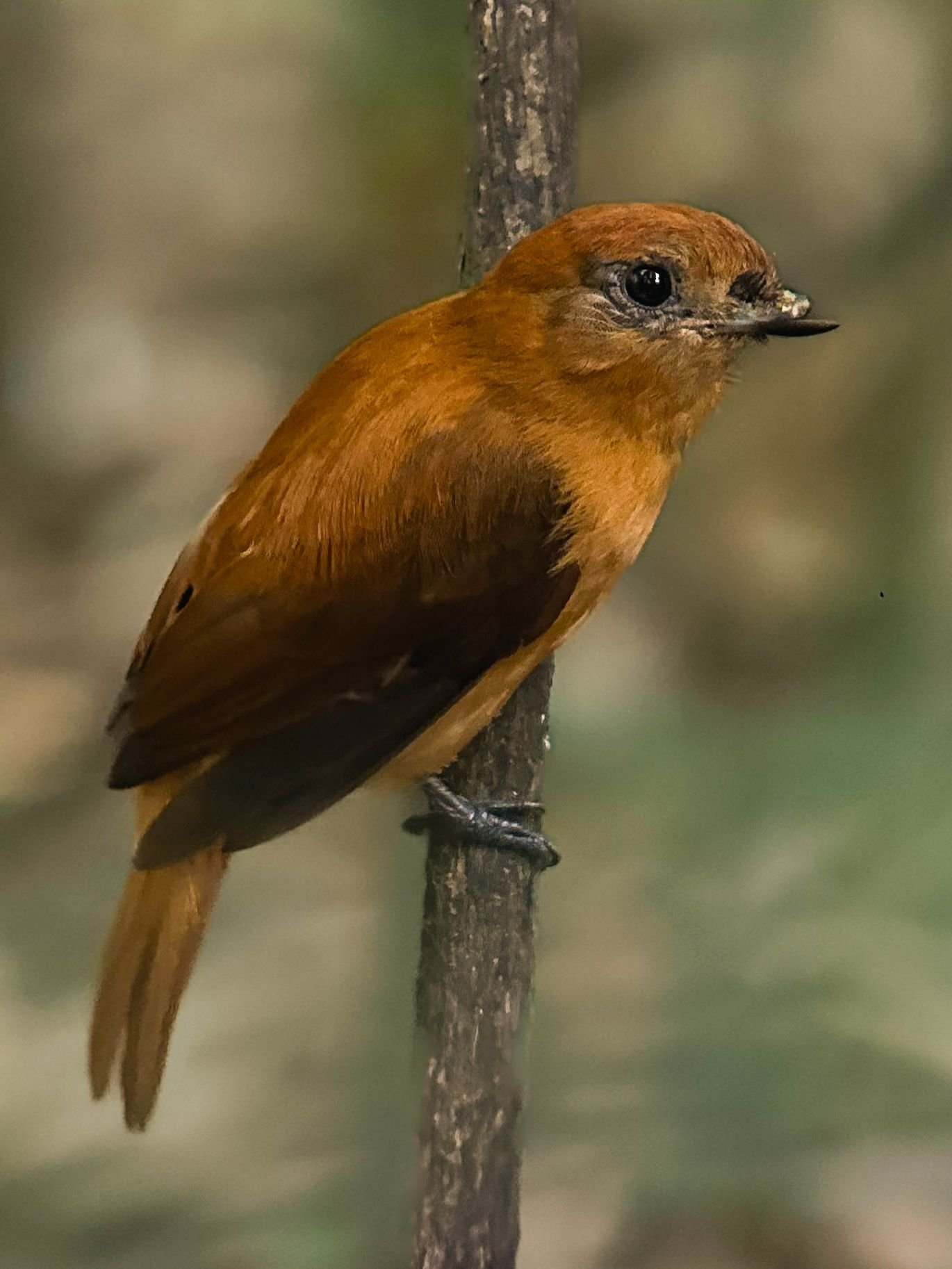
Less than thirty minutes from Inírida we find the Sabanitas Community, an indigenous location surrounded by impressive scrub and white sand forest which are crossed by trails and open areas with native grass. Notable birds here include Azure-naped Jay, Golden-spangled Piculet, Cobalt-winged Parakeet, Olivaceous Woodcreeper, Bare-necked Fruitcrow, Pompadour Cotinga, Yellow-crowned and Wire-tailed Manakins, Chestnut-crowned Becard, Rufous-tailed Flatbill, Opal-rumped and Paradise Tanagers, Brown Jacamar, Scale-breasted Woodpecker. We also have great chances to find one of the targets of the trip: the unique Capuchinbird which is usually well spotted by our local indigenous guide.
After lunch in the community and according to our needs, we will stay to bird the area or move elsewhere. At the end of the day we will visit the Kenke area to look for Black-faced Tanager, White-naped Seedeater, Plain-crested Elaenia, Campina Thrush and Giant Snipe.
MATRACA TRAIL AND CAÑO CUNUBEN
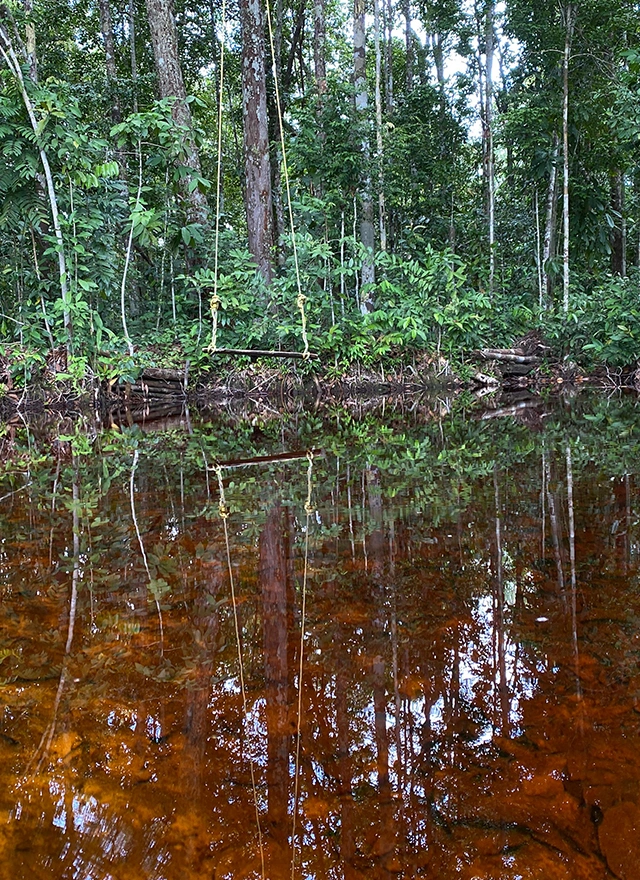
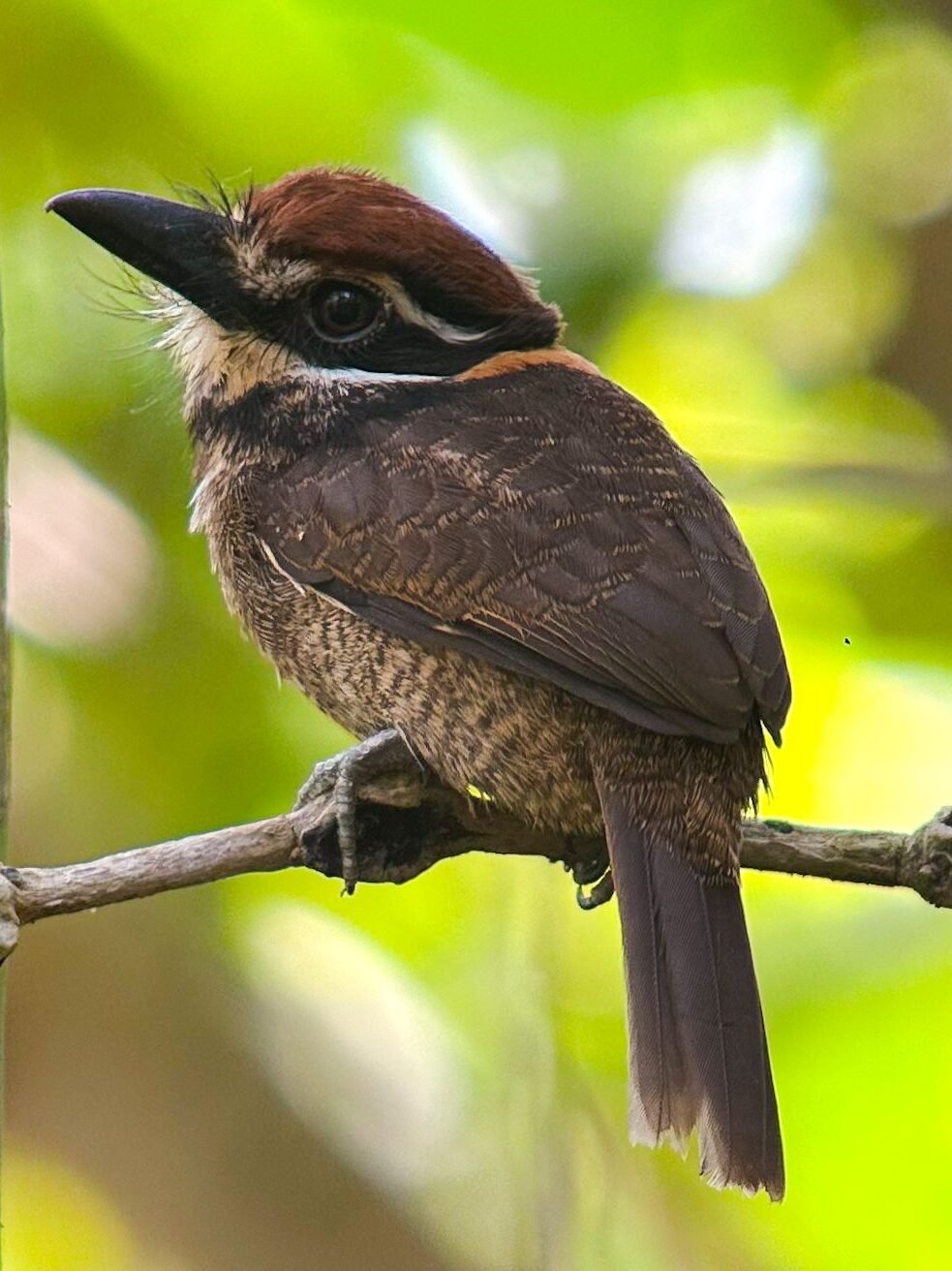
This morning we take a boat ride to the varzea forest, a very special environment of the Amazon. There are several species exclusive to this unique ecosystem and those will be some of our targets: the Orinoco Softail, an endemic and rare species with a relatively small range, Varzea Schifornis, Rose-breasted Chat, Long-billed Woodcreeper, Velvet-fronted Grackle, Gray-headed Tanager, Screaming Piha, Wire-tailed Manakin, Silvered Antbird, Speckled Spinetail, Chestnut-capped Puffbird and Ringed Woodpecker, a bird considered one of the highlights of the trip.
We return to the town for lunch, and travel to a nearby spot called Caño Cunuben in the afternoon. Some of the targets here are Crane Hawk, Black-tailed Trogon, Orinoco Piculet, Channel-billed Toucan, Black-headed Parrot, Rusty-backed Spinetail, Golden-bellied Euphonia and more!
CAÑO LA ROMPIDA
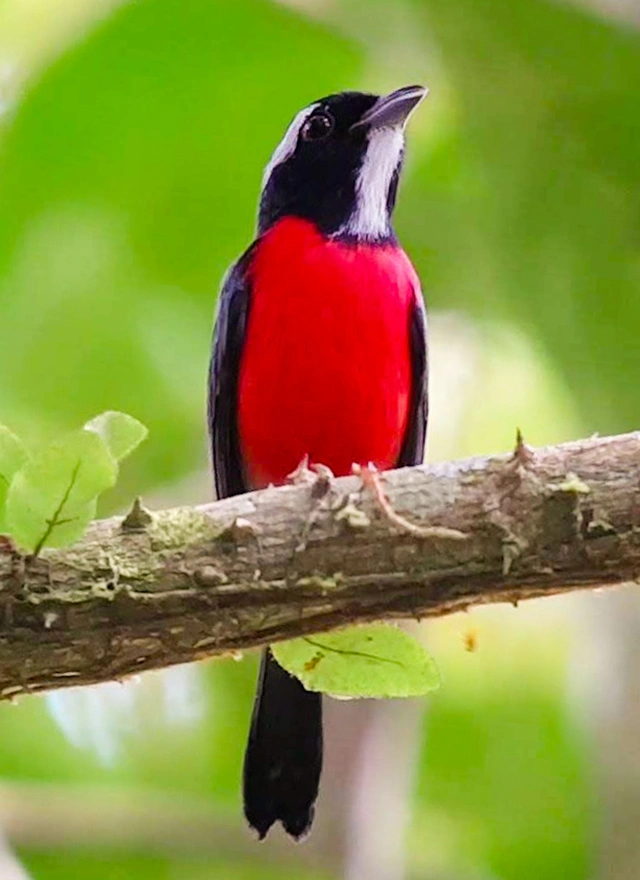
This morning we will take a boat to get to the trails of La Rompida, and, if this is during the rainy period, we will bird by boat as well. The predominant ecosystem here is riparian which is located on the edges of the Guaviare River. In this home for wetlands and riparian forest species, look for Green-tailed Goldenthroat, the enigmatic Hoatzin, Sungrebe, Slender-billed Kite, White-eared Jacamar, Orinoco Piculet, Black-crested Antshrike, Yellow-chinned Spinetail, Fuscous Flycatcher, Black-capped Donacobius, Green Oropendola, Solitary Black Cacique, Red-capped Cardinal, Hooded Tanager and White-eared Jacamar. Perhaps the main target of this location is the endemic and undescribed Iniridad Antshrike, a species of “Thamnophilus” that was discovered only a few years ago and is considered an exclusive bird of the Guaviare River edges.
RÍO ORINOCO ISLANDS
The Orinoco River stretches more than 2,000 km through Venezuela and along Colombia’s border. On its way, it creates countless islands, some permanent and others seasonal, formed by shifting currents and sediment from the Andes and the Guianan Shield. These islands are ecological treasures where you’ll find palm groves and sandy beaches that host wildlife like river dolphins (toninas), giant otters, and an exclusive variety of birds. One species to look for is the enigmatic Rio Orinoco Spinetail which was considered only a possibility in Colombia until it was discovered in an expedition led by Daniel Orjuela and others to the Orinoco and Meta Rivers in 2022. As some of the islands are seasonal, birds move to the river edges or to the riparian forest where they are well adapted until they find new favorable river island forest to colonize. One of these islands is named after Daniel Orjuela, and it’s found in ebird as “Isla Orjuela”. Other birds to look for include Muscovy Duck, Little Cuckoo, Ladder-tailed Nightjar, Pied Plover, Blue-tailed Emerald, Black Caracara, Blue-and-yellow Macaw, River Tyrannulet, Fuscous Flycatcher, Riverside Tyrant, Orange-headed Tanager and more.
YAPACANA TRAIL AND CAÑO VITINA
Just fifteen minutes from Inírida, we reach one of the area’s predominant ecosystems, the white sand forest. Our destination is Kenke, also known as the Yapacana Trail, named after a remarkable bird species — the Yapacana Antbird, one of the most uncommon Orinoco endemics, and the main highlight of this site.
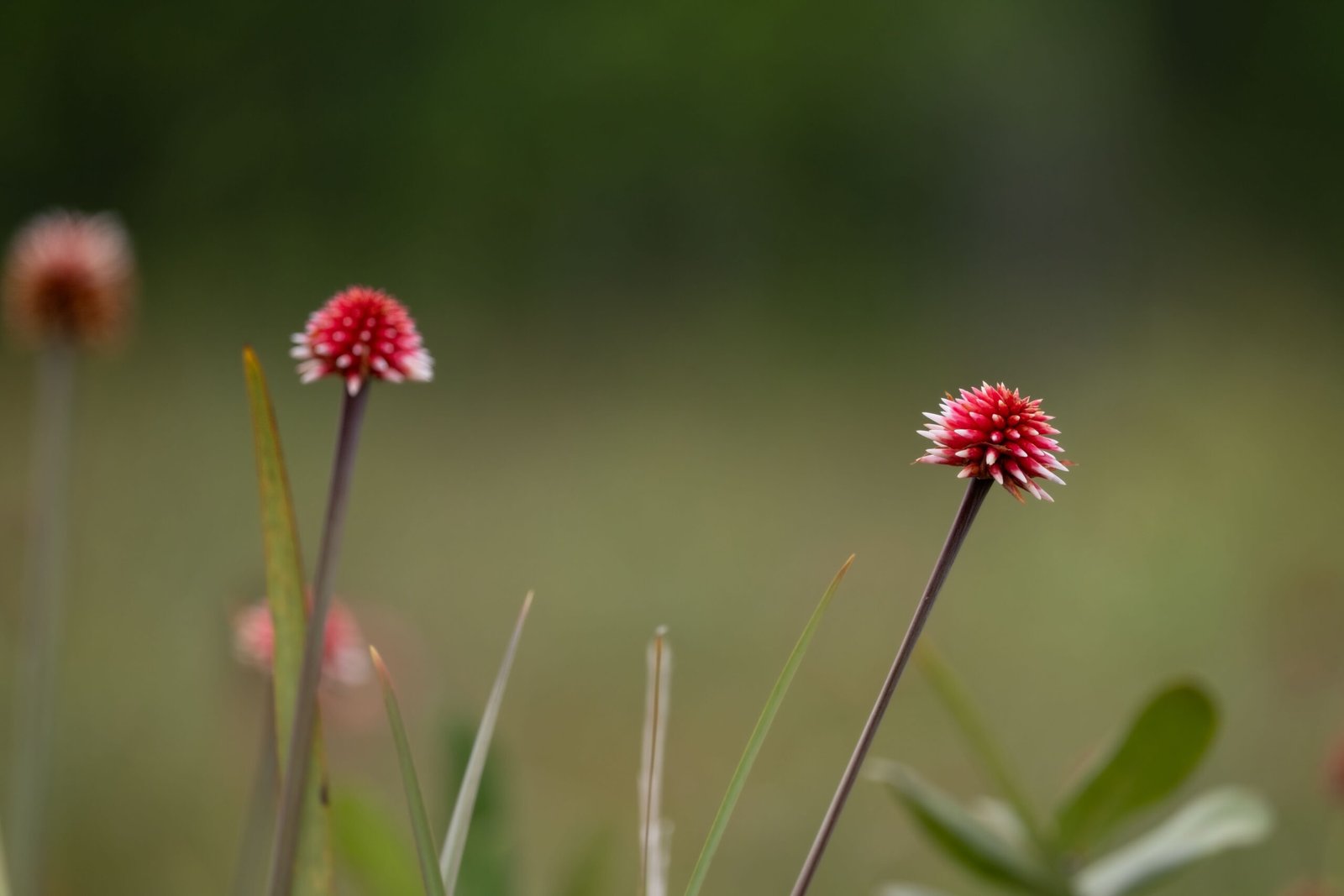
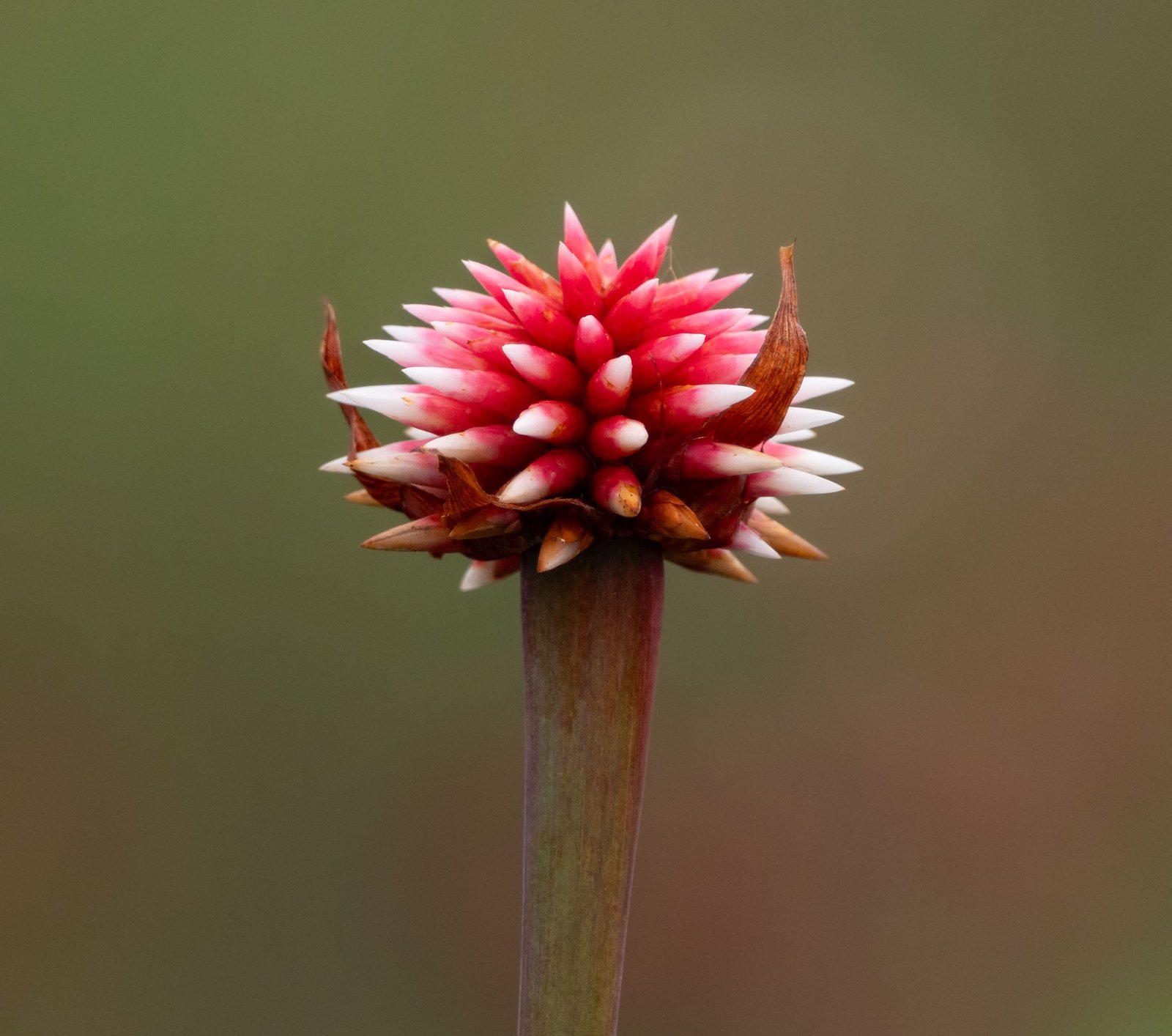
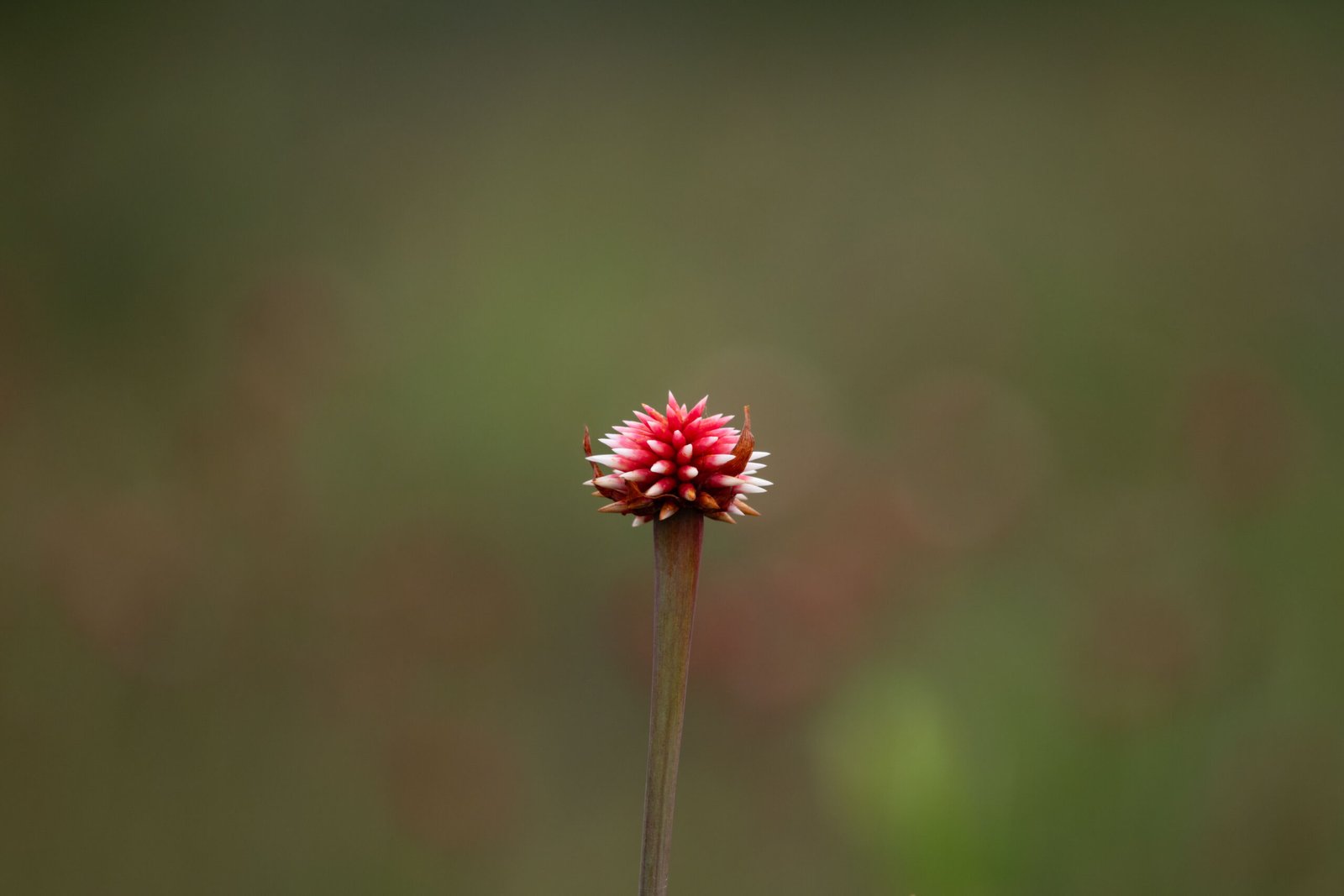
Walking the trails, we also can enjoy views of Green-tailed Goldenthroat, often seen visiting the Inírida flowers, along with Bronzy Jacamar, Amazonian Antshrike, Saffron-crested Tyrant-Manakin, Plumbeous Euphonia, Black-faced Tanager, and the elusive White-naped Seedeater.
In the afternoon, we continue to Caño Vitina, a small indigenous community with beautiful forest trails and excellent birding opportunities. Here, we will look for species such as American Pygmy Kingfisher, Spangled Cotinga, Yellow-crowned Manakin, and both Brown-banded and Spotted Puffbirds.
CERROS DE MAVECURE
The Mavecure Hills are giant stone witnesses of Earth’s ancient history — weathered granite and quartzite monoliths from the Precambrian world (1.7–2 billion years old). These extremely hard rocks resisted erosion while the surrounding softer layers wore away around 60–70 million years ago, leaving them to rise like sentinels above the Orinoco River basin.
A day here offers not only breathtaking scenery but also the chance to encounter unique birds. Among the highlights are the uncommon Orange-breasted Falcon, sometimes seen soaring around the hills, and Black-collared Swallows, often spotted hunting insects along the riverside.
CAÑO VITINA AND FLIGHT TO BOGOTÁ
Flight from Inírida to Bogotá. Today’s birding activities will depend on the flight schedule that sometimes is modified at the last hour.
DEPARTURES
Departures from Bogotá international Airport El Dorado BOG.
- All lodging (double occupancy)
- All meals from dinner on day 1 to breakfast on day 10
- All ground transportation from airport pick up to airport drop-off
- Local guides at some of the sites visited
- Entrances to birding places and indigenous communities
- Water
- Verification birding List
- Internal flights mentioned in the itinerary
- Tips & gratuities
- Alcoholic beverages
- International Airfare
- Laundry and room service
- Medical expenses not covered for healthcare insurance
- Items of personal nature
- Extensions of the trip due to circumstances out of our control
- Any item not mentioned as included
Gallery
Location